Crime stories have long fascinated humanity, not just for their suspense and intrigue, but for the deeper truths they uncover about human nature.
Beyond the headlines and courtroom drama, these stories act as windows into the psychology, motivations, and vulnerabilities that shape human behavior. Whether drawn from real-life cases or fictional narratives, crime stories often reflect the complex interplay between environment, emotion, and decision-making.
The Psychology Behind Crime
At the heart of every crime is a human story. People rarely commit crimes without underlying reasons, and these reasons often reveal powerful psychological forces. Greed, jealousy, fear, revenge, and desperation are among the most common motivations. Crime stories help us understand how these emotions can escalate when left unchecked.
For instance, financial crimes often stem from a desire for status or security, while violent crimes may be linked to unresolved anger or trauma. By examining these cases, we gain insight into how ordinary individuals can cross moral boundaries under certain circumstances.
The Role of Environment and Upbringing
Crime stories frequently highlight the impact of environment on behavior. Individuals raised in unstable or impoverished conditions may be more exposed to crime, either as victims or perpetrators. Lack of access to education, employment, and social support systems can push people toward unlawful activities.
However, these stories also show that environment is not destiny. Many individuals overcome difficult backgrounds without resorting to crime, suggesting that personal choices, resilience, and external influences such as mentorship play crucial roles.
Moral Ambiguity and Human Complexity
One of the most compelling aspects of crime stories is their ability to blur the line between right and wrong. Not all criminals fit the stereotype of being purely evil, and not all victims are entirely innocent. Some stories reveal individuals who commit crimes under extreme pressure or in self-defense, raising questions about morality and justice.
This complexity forces audiences to confront uncomfortable truths: under certain conditions, anyone might be capable of making poor decisions. Crime stories challenge us to reflect on our own values and how we might act in similar situations.
The Influence of Society and Culture
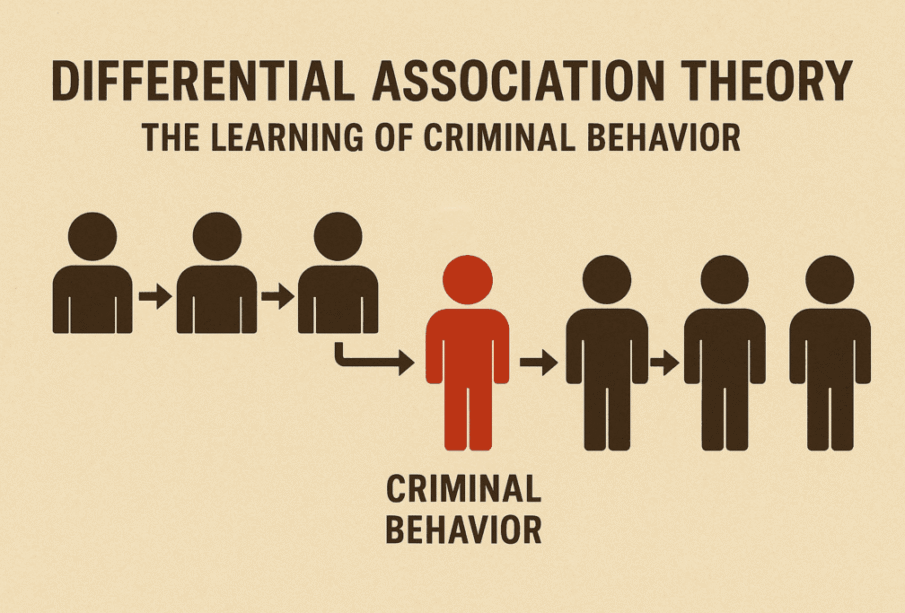
Societal norms and cultural expectations also play a significant role in shaping behavior. In some cases, crime is influenced by peer pressure, social inequality, or the desire to conform. Organized crime, for example, often thrives in communities where loyalty and survival are prioritized over legality.
Media coverage of crime can further shape public perception, sometimes glamorizing criminal behavior or creating fear. Crime stories, when told responsibly, can instead educate and promote awareness about the root causes of criminal activity.
Lessons Learned from Crime Stories
Crime stories are not just tales of wrongdoing, they are powerful learning tools. They teach us about the consequences of actions, the importance of empathy, and the need for strong ethical foundations. They also highlight the importance of justice systems and the role of law enforcement in maintaining order.
More importantly, these stories encourage prevention. By understanding why crimes occur, societies can implement better policies, provide support for at-risk individuals, and create environments that discourage criminal behavior.
Conclusion
Crime stories captivate us because they are deeply human. They reveal not only the darker side of behavior but also the factors that drive individuals to make life-altering decisions. By examining these stories closely, we gain a better understanding of ourselves and the society we live in.
In the end, crime stories remind us that human behavior is complex, influenced by a mix of internal emotions and external circumstances. And in that complexity lies the opportunity to learn, grow, and build a more compassionate and just world.