
Traditional Breakfast Foods Across the Continent
Traditional Breakfast Foods Across the Continent
Breakfast is often called the most important meal of the day, and across Africa, it is much more than just the first meal.
It reflects culture, history, local agriculture, and family traditions. From bustling cities to rural villages, breakfast brings people together while providing the energy needed for work, school, and daily activities.
Moreover, traditional African breakfasts vary widely because the continent is home to over 50 countries, each with its own culinary heritage. While ingredients differ from one region to another, many meals feature grains, tubers, legumes, fruits, vegetables, and locally produced dairy products. As a result, every breakfast tells a unique story about the people who prepare and enjoy it.
In this article, we explore some of Africa’s most beloved traditional breakfast foods and discover why they continue to hold an important place in everyday life.
Why Traditional Breakfasts Matter
Traditional breakfasts offer more than nourishment. They preserve cultural identity and connect generations through recipes passed down within families. Furthermore, many of these meals rely on ingredients grown locally, making them affordable, nutritious, and environmentally sustainable.
In addition, traditional breakfasts often provide balanced nutrition. They combine carbohydrates for energy, proteins for strength, healthy fats, and essential vitamins from fruits and vegetables. Consequently, these meals help people stay active throughout the day.
West Africa: Rich Flavors and Filling Meals
West African breakfasts are known for their bold flavors and satisfying portions.
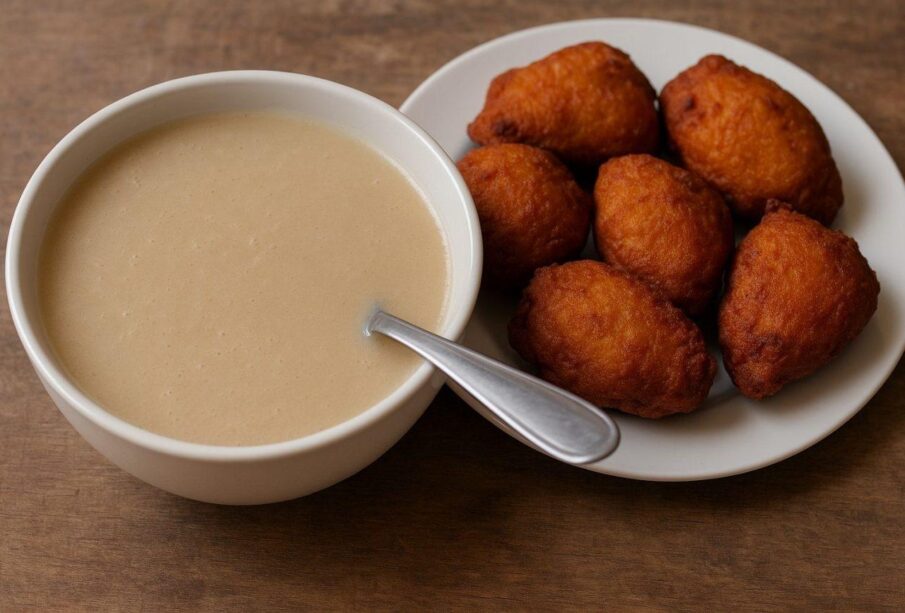
Akara and Pap (Nigeria)
One of Nigeria’s most popular breakfast combinations is akara served with pap, also known as ogi. Akara consists of deep-fried bean cakes made from peeled black-eyed peas, while pap is a fermented corn porridge with a smooth texture.
Together, they create a delicious balance of protein and carbohydrates. Additionally, many Nigerians enjoy this breakfast with fresh bread or fried yam.
Koko (Ghana)
In Ghana, many people begin their mornings with koko, a fermented millet porridge seasoned with ginger and spices. Bakers often serve it alongside koose, which resembles Nigeria’s akara.
Because millet is highly nutritious, koko provides lasting energy while remaining gentle on the stomach.
Waakye
Although many people eat waakye for lunch, it also serves as a hearty breakfast. This popular Ghanaian dish combines rice and beans cooked together and is often accompanied by boiled eggs, stew, spaghetti, fried plantains, or fish.
East Africa: Simple Yet Nutritious Choices
East African breakfasts often emphasize fresh ingredients and comforting flavors.
Mandazi
Mandazi is a lightly sweet fried bread enjoyed in Kenya, Tanzania, Uganda, and neighboring countries. Families frequently pair it with tea or coffee.
Because it is easy to prepare, mandazi remains a favorite for busy mornings.
Uji
Uji is a traditional porridge made from millet, sorghum, or maize flour. Many families enrich it with milk, groundnuts, or sugar.
Furthermore, parents often serve uji to children because it is filling and easy to digest.
Rolex (Uganda)
Despite its luxurious name, the Ugandan Rolex has nothing to do with watches. Instead, it combines a freshly cooked omelet rolled inside a chapati with vegetables such as tomatoes, onions, and cabbage.
As a result, it has become one of Uganda’s most recognizable street-food breakfasts.
North Africa: Aromatic and Flavorful Mornings
North African breakfasts feature Mediterranean and Middle Eastern influences while maintaining unique local traditions.
Shakshuka
Shakshuka consists of eggs gently cooked in a rich tomato sauce with onions, peppers, garlic, and spices. People commonly enjoy it with fresh bread for dipping.
Not only is it flavorful, but it is also packed with protein and vegetables.
Ful Medames
In Egypt and several neighboring countries, ful medames remains a breakfast staple. Cooks slowly prepare fava beans and season them with olive oil, lemon juice, garlic, and herbs.
Consequently, this meal provides long-lasting energy and valuable nutrients.
Msemen
Moroccan families often enjoy msemen, a flaky square flatbread served with butter, honey, cheese, or jam. Many households pair it with mint tea, creating a comforting start to the day.
Southern Africa: Comforting Family Favorites
Southern African breakfasts often focus on maize-based dishes and freshly baked breads.
Mealie Pap
Mealie pap, made from maize meal, is one of Southern Africa’s best-known dishes. Families may enjoy a softer version for breakfast with milk, sugar, or butter.
Since maize grows widely across the region, mealie pap remains both affordable and filling.
Vetkoek
Vetkoek is a fried bread commonly served plain or filled with savory minced meat, cheese, or jam. Although people eat it throughout the day, many enjoy it as a hearty breakfast.
Traditional Porridges
In Zimbabwe, Zambia, and neighboring countries, thick or soft porridge made from maize, millet, or sorghum frequently appears on breakfast tables. Depending on local customs, families add milk, peanut butter, or sugar.
Central Africa: Fresh and Local Ingredients
Central African breakfasts often feature cassava, plantains, bananas, maize, and locally grown fruits.
For example, many households prepare cassava porridge or boiled plantains alongside tea. Others serve fresh tropical fruits such as mangoes, pineapples, bananas, and papayas.
Moreover, these meals showcase the region’s rich agricultural diversity while remaining nutritious and affordable.
The Health Benefits of Traditional African Breakfasts
Traditional breakfasts offer numerous health advantages.
- They provide steady energy through whole grains and complex carbohydrates.
- They contain valuable proteins from beans, eggs, milk, and legumes.
- They include vitamins and minerals from fruits and vegetables.
- They often use locally sourced ingredients with minimal processing.
- They support healthier eating habits by emphasizing natural foods.
Therefore, many traditional breakfasts compare favorably with highly processed alternatives.
How Modern Lifestyles Are Changing Breakfast Habits
Urbanization has introduced faster breakfast options across Africa. Today, many people rely on packaged cereals, pastries, or fast food because of busy schedules.
However, traditional breakfasts continue to thrive. Street vendors, family restaurants, and local markets still serve beloved dishes every morning. At the same time, younger generations increasingly combine traditional recipes with modern cooking techniques.
As interest in healthy eating grows, many people are also rediscovering the nutritional value of indigenous grains such as millet and sorghum.
Preserving Africa’s Culinary Heritage
Traditional breakfasts represent an important part of Africa’s cultural identity. Families preserve recipes through everyday cooking, while chefs introduce these dishes to new audiences in restaurants and food festivals.
Furthermore, food tourism has encouraged travelers to explore authentic local breakfasts during their visits. This growing appreciation not only supports local businesses but also helps preserve centuries-old culinary traditions.
Conclusion
Traditional breakfast foods across Africa celebrate the continent’s remarkable diversity. Whether enjoying Nigeria’s akara and pap, Uganda’s Rolex, Egypt’s ful medames, Morocco’s msemen, or South Africa’s mealie pap, each meal reflects local ingredients, cultural traditions, and community values.
Ultimately, these breakfasts demonstrate that simple, locally prepared foods can be both nourishing and deeply meaningful. As African cuisines continue to gain global recognition, traditional breakfast dishes remain powerful symbols of heritage, resilience, and hospitality.
Frequently Asked Questions (FAQs)
What is the most common traditional breakfast in Africa?
There is no single breakfast shared across the continent. However, porridges made from maize, millet, or sorghum are among the most widely consumed traditional morning meals.
Are traditional African breakfasts healthy?
Yes. Most traditional breakfasts include whole grains, legumes, fruits, vegetables, or eggs, making them nutritious and naturally balanced.
Why are porridges so popular across Africa?
Porridges are affordable, filling, easy to prepare, and made from grains that grow well in different African climates.
Do traditional breakfasts differ by region?
Absolutely. West Africa favors bean cakes and fermented porridges, East Africa enjoys mandazi and chapati, North Africa serves dishes like shakshuka and ful medames, while Southern Africa commonly features maize-based meals.
Can tourists easily find traditional breakfasts?
Yes. Visitors can enjoy authentic breakfast dishes in local restaurants, hotels, cafés, and street food markets throughout many African countries.


Leave a reply







Africa’s Source for Breaking News | Entertainments | Health | Finance | Sports | Lifestyle and Business News.


