
How African Youth Are Shaping the Future of Politics
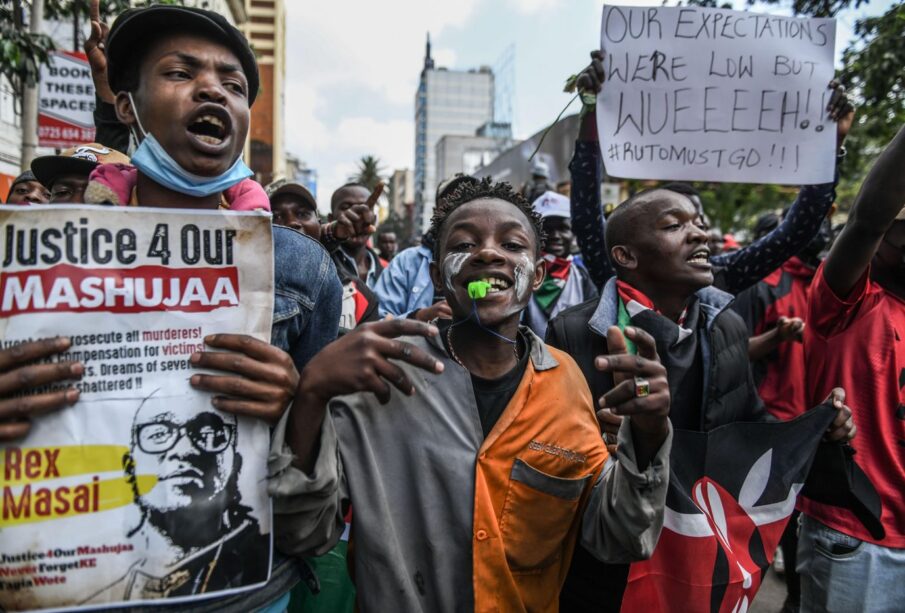
How African Youth Are Shaping the Future of Politics
Africa is the youngest continent in the world, with more than 60% of its population under the age of 25.
This demographic reality is not just a statistic, it is becoming one of the continent’s greatest strengths. Across Africa, young people are increasingly influencing political conversations, challenging outdated systems, promoting accountability, and introducing fresh ideas that reflect the aspirations of a new generation.
For decades, politics across much of Africa was dominated by older generations. Today, however, young Africans are proving that leadership is no longer determined solely by age or political connections. Through technology, education, entrepreneurship, and grassroots activism, they are redefining what political participation looks like.
The future of African politics is no longer something waiting to happen, it is already being shaped by millions of young voices across the continent.
Africa’s Youth Population: A Political Force
Africa’s youthful population represents one of its greatest political assets. Every election cycle sees millions of first-time voters entering the democratic process. Their priorities often differ from previous generations, focusing on issues such as:
- Employment opportunities
- Quality education
- Affordable healthcare
- Digital innovation
- Transparency in governance
- Climate action
- Economic inclusion
- Security and social justice
Young voters increasingly expect leaders to provide practical solutions rather than empty promises. This shift is encouraging political parties to rethink their campaigns and policy priorities.
Digital Technology Is Changing Political Participation
The widespread use of smartphones and affordable internet access has transformed political engagement throughout Africa.
Young Africans now use digital platforms to:
- Monitor elections
- Report irregularities
- Organize peaceful campaigns
- Share political information
- Fact-check public statements
- Engage directly with elected officials
- Mobilize communities around important issues
Social media has given ordinary citizens a powerful voice that was previously unavailable through traditional media channels. Political discussions that once took place behind closed doors now happen openly across digital platforms, encouraging greater transparency.
Civic Education Is Creating More Informed Citizens
Across many African countries, organizations, universities, and community groups are investing in civic education programs designed specifically for young people.
These initiatives teach participants about:
- Constitutional rights
- Democratic processes
- Electoral systems
- Public accountability
- Responsible citizenship
- Community leadership
As political awareness increases, more young people understand that democracy extends beyond voting. They recognize the importance of continuous engagement with government institutions and public policy.
Youth-Led Movements Are Influencing Policy
One of the most significant political developments in recent years has been the rise of youth-led civic movements.
Across Africa, young people have organized campaigns advocating for:
- Electoral reforms
- Better governance
- Anti-corruption measures
- Police accountability
- Human rights protections
- Environmental conservation
- Improved education systems
These movements often begin at the grassroots level but quickly gain national attention through coordinated advocacy and digital communication.
While not every campaign achieves immediate success, many have influenced public debate and encouraged governments to address long-standing concerns.
Entrepreneurship Is Creating Independent Leaders
Economic independence often strengthens political participation.
Many young Africans are launching businesses, creating jobs, and building successful enterprises. This growing entrepreneurial class is producing leaders who understand economic realities and advocate for policies that support innovation, investment, and sustainable development.
Entrepreneurs frequently push for:
- Easier business registration
- Improved infrastructure
- Better access to financing
- Transparent regulations
- Digital government services
Their practical experience allows them to contribute valuable perspectives to national policy discussions.
Women Are Expanding Political Leadership
Young African women are playing increasingly important roles in politics and civic leadership.
Across the continent, more women are:
- Running for political office
- Leading advocacy organizations
- Managing community projects
- Influencing public policy
- Participating in local government
- Championing gender equality
Their growing representation is helping ensure that political decisions reflect a broader range of experiences and priorities.
Greater inclusion strengthens democratic institutions by encouraging more diverse perspectives in leadership.
Education Is Preparing Future Leaders
Universities and educational institutions continue to produce graduates equipped with skills in governance, economics, law, technology, and public administration.
Many young Africans now participate in:
- Student government
- Debate competitions
- Leadership academies
- Policy research
- Volunteer organizations
- Community development initiatives
These experiences help prepare future leaders who understand both local challenges and global opportunities.
Innovation Is Improving Governance
Technology-driven innovation is making governance more efficient and transparent.
Young software developers and innovators are creating digital solutions that improve public services, including:
- Online voter registration systems
- Budget transparency platforms
- Public complaint portals
- Civic education applications
- Election monitoring tools
- Open data initiatives
These innovations encourage greater citizen participation while helping governments become more responsive.
The Growing Importance of Local Leadership
Political change does not begin only at the national level.
Across Africa, many young leaders are serving in:
- Local councils
- Community development committees
- Youth advisory boards
- School boards
- Municipal governments
- Civil society organizations
These local leadership opportunities allow young people to gain practical governance experience while addressing immediate community needs.
Challenges Young Political Leaders Still Face
Despite significant progress, many young Africans continue to encounter obstacles when participating in politics.
Some common challenges include:
Limited Access to Political Funding
Campaign financing remains difficult for many first-time candidates without established political networks.
High Youth Unemployment
Economic hardship can reduce political participation by forcing young people to focus primarily on earning a livelihood.
Limited Representation
In several countries, political leadership remains concentrated among older generations, limiting opportunities for younger candidates.
Misinformation
The rapid spread of false information online can confuse voters and undermine informed political debate.
Political Polarization
Increasing political divisions sometimes discourage constructive dialogue among citizens. Addressing these challenges will require continued reforms that promote fairness, inclusion, and equal opportunities.
Why Youth Participation Matters
When young people actively participate in politics, societies benefit in several ways.
Youth engagement encourages:
- Better accountability
- Fresh policy ideas
- Greater innovation
- Increased voter participation
- Stronger democratic institutions
- Long-term national planning
- Inclusive economic development
Countries that harness the energy and creativity of their young populations are often better positioned to respond to emerging challenges and seize new opportunities.
The Road Ahead
Africa’s political future will largely depend on how effectively governments, institutions, and citizens empower young people to contribute to national development.
Continued investments in education, digital infrastructure, entrepreneurship, civic engagement, and leadership development can help unlock the full potential of the continent’s youth.
Rather than waiting for change, millions of young Africans are already creating it—through their ideas, businesses, community projects, advocacy, and participation in democratic processes.
As this generation continues to grow in influence, African politics is likely to become more innovative, inclusive, and responsive to the needs of its people.
Conclusion
African youth are no longer observers in political life, they are active participants shaping the continent’s future. Through civic engagement, entrepreneurship, technology, grassroots organizing, and leadership, they are redefining governance and inspiring a more accountable political culture.
Although challenges remain, the determination, creativity, and resilience of Africa’s young population offer tremendous hope for stronger democratic institutions and sustainable development. As more young people step into leadership roles and engage in public affairs, they are helping build a future where politics reflects the aspirations of all citizens, not just a select few.
The future of African politics belongs not only to experienced leaders but also to the millions of young people who are committed to building a more prosperous, transparent, and inclusive continent.




Leave a reply






Africa’s Source for Breaking News | Entertainments | Health | Finance | Sports | Lifestyle and Business News.


