
Building Resilience During Difficult Times
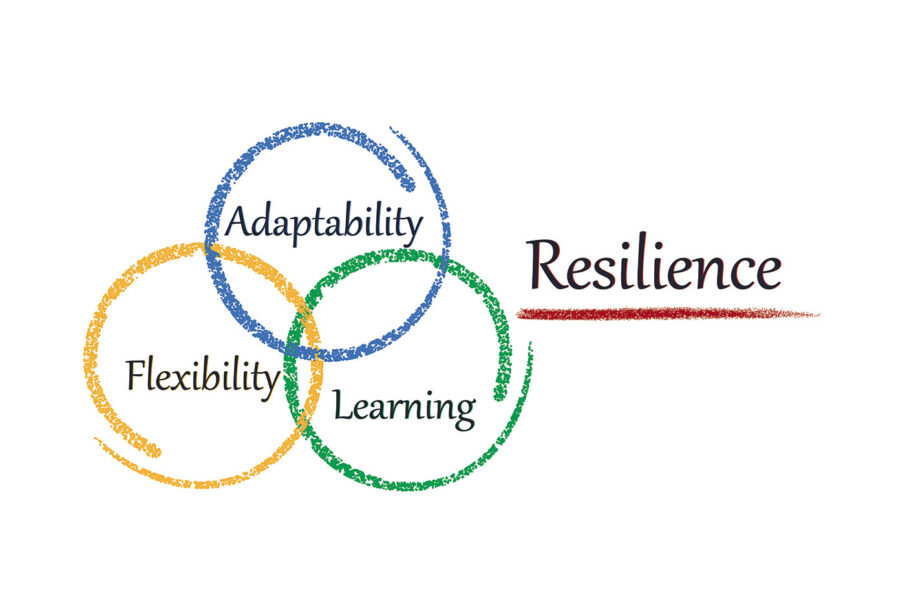
Building Resilience During Difficult Times
Life rarely follows a straight path.
Unexpected setbacks, financial struggles, personal losses, health challenges, career disappointments, and global crises can all test our emotional strength. While no one is immune to difficult seasons, what often determines the outcome is not the hardship itself but how we respond to it. This ability to recover, adapt, and continue moving forward is known as resilience.
Resilience is not about pretending everything is fine or suppressing emotions. It is the capacity to face adversity with courage, learn from challenges, and emerge stronger than before. Across Africa and around the world, countless individuals and communities have demonstrated extraordinary resilience by overcoming obstacles through determination, innovation, and collective support.
In today’s rapidly changing world, building resilience has become one of the most valuable life skills anyone can develop.
What Is Resilience?
Resilience refers to the ability to adapt positively in the face of stress, adversity, trauma, or significant life changes. It enables people to cope with challenges without allowing setbacks to define their future.
Being resilient does not mean avoiding pain or never feeling discouraged. Instead, resilient individuals acknowledge their emotions, seek solutions, and continue progressing despite difficulties.
Think of resilience like a bamboo tree. During a storm, it bends with the wind instead of breaking. Once the storm passes, it stands upright again. Human resilience works much the same way.
Why Resilience Matters
Every person will encounter difficult periods. Job loss, business failure, relationship challenges, economic uncertainty, natural disasters, or personal disappointments are part of life.
Resilience helps people:
- Manage stress more effectively.
- Recover faster from setbacks.
- Maintain emotional well-being.
- Build confidence.
- Make better decisions during crises.
- Stay hopeful despite uncertainty.
- Continue pursuing personal and professional goals.
Without resilience, temporary problems can easily become overwhelming obstacles.
Common Challenges That Test Resilience
Different people face different forms of adversity. Some of the most common include:
Financial Difficulties
Rising living costs, unemployment, inflation, or unexpected expenses can create significant emotional pressure.
Career Setbacks
Losing a job, being passed over for promotion, business losses, or career uncertainty often affect confidence and motivation.
Family Challenges
Divorce, caregiving responsibilities, conflicts, or the loss of loved ones can deeply impact emotional health.
Health Issues
Living with chronic illness or recovering from injuries requires both physical and emotional resilience.
Social Pressure
The influence of social media sometimes creates unrealistic comparisons that can damage self-esteem and increase anxiety.
Recognizing these challenges helps us prepare healthier responses instead of reacting impulsively.
Characteristics of Resilient People
Although everyone develops resilience differently, resilient individuals often share several qualities.
Positive Thinking
They focus on possibilities rather than limitations.
Positive thinking does not ignore reality. Instead, it seeks opportunities even in difficult circumstances.
Emotional Awareness
Resilient people understand and accept their emotions without allowing those emotions to control every decision.
Adaptability
Life changes constantly. Those who adapt quickly often recover faster from setbacks.
Strong Relationships
Supportive family members, trusted friends, mentors, and communities provide encouragement during difficult times.
Problem-Solving Skills
Rather than dwelling solely on problems, resilient individuals actively search for practical solutions.
Practical Ways to Build Resilience
Fortunately, resilience is not an inborn trait, it can be developed through intentional habits.
1. Accept That Challenges Are Part of Life
Trying to avoid every difficulty only creates frustration.
Accepting that setbacks are normal helps shift attention from asking, “Why is this happening to me?” toward asking, “How can I respond effectively?”
Acceptance creates emotional stability.
2. Focus on What You Can Control
Many stressful situations involve factors beyond our control.
Instead of worrying endlessly about external events, concentrate on actions you can influence, such as:
- Improving your skills.
- Managing your finances wisely.
- Maintaining healthy relationships.
- Taking care of your health.
- Planning your next steps.
Small actions restore a sense of control.
3. Develop Healthy Daily Habits
Physical and mental health are closely connected. Healthy routines such as regular exercise, balanced nutrition, sufficient sleep, and relaxation techniques strengthen both the body and mind.
Even a simple daily walk can improve mood and reduce stress.
4. Build a Strong Support Network
No one should face life’s difficulties alone. Talking with trusted friends, family members, mentors, or support groups can provide emotional relief, fresh perspectives, and practical advice.
Communities across Africa have long demonstrated the power of collective support during difficult times. Whether through family networks, neighborhood associations, religious organizations, or community groups, shared resilience often leads to stronger recovery.
5. Practice Gratitude
Gratitude shifts attention from what is missing to what still remains.
Keeping a gratitude journal or simply reflecting on three positive experiences each day helps strengthen emotional resilience over time.
This practice encourages optimism even during challenging periods.
6. Continue Learning
Difficult times often create opportunities for growth.
Learning new skills, taking online courses, reading books, or improving professional knowledge builds confidence and increases future opportunities.
Continuous learning turns setbacks into stepping stones.
7. Set Small Achievable Goals
Major challenges can feel overwhelming.
Breaking large goals into smaller milestones makes progress easier to measure and keeps motivation high.
Each completed step reinforces confidence.
The Role of Mindset
Mindset plays a significant role in resilience.
A fixed mindset believes failure is permanent.
A growth mindset believes every setback offers lessons for improvement.
For example:
Instead of saying,
“I failed, so I’m not good enough.”
A resilient person says,
“I learned something valuable that will help me succeed next time.”
This simple shift changes how challenges are experienced.
Resilience in African Communities
Across Africa, resilience is demonstrated daily.
Entrepreneurs continue building businesses despite economic uncertainty.
Farmers adapt to changing climates through innovation.
Students pursue education despite limited resources.
Healthcare workers serve communities under demanding conditions.
Families support one another during financial hardships.
Communities rebuild after floods, droughts, and other natural disasters.
These examples remind us that resilience is not merely individual, it is often strengthened by culture, cooperation, and shared purpose.
Helping Children Build Resilience
Resilience begins early in life.
Parents, teachers, and caregivers can nurture resilience by:
- Encouraging problem-solving instead of solving every problem for children.
- Praising effort rather than perfection.
- Teaching emotional regulation.
- Allowing age-appropriate independence.
- Modeling calm responses during stressful situations.
Children who develop resilience early often become more confident and adaptable adults.
When to Seek Professional Help
Resilience does not mean handling every struggle alone. If stress becomes overwhelming or begins affecting daily life for an extended period, seeking help from a qualified mental health professional is a sign of strength, not weakness.
Professional guidance can provide effective strategies for managing anxiety, depression, grief, or trauma. Asking for help is one of the most resilient decisions a person can make.
Conclusion
Difficult times are an unavoidable part of the human experience, but they do not have to determine our future. Resilience allows us to face uncertainty with courage, adapt to changing circumstances, and continue moving forward despite setbacks.
Building resilience is a lifelong process shaped by healthy habits, supportive relationships, continuous learning, positive thinking, and purposeful action. Every challenge carries the potential to teach valuable lessons and strengthen character.
Whether facing personal struggles, professional obstacles, or broader societal challenges, resilience reminds us that growth often emerges from adversity. By cultivating resilience today, we prepare ourselves not only to survive difficult times but also to thrive beyond them.
The strongest people are not those who never experience hardship, they are those who keep moving forward, learning, and inspiring others, one step at a time.




Leave a reply




Africa’s Source for Breaking News | Entertainments | Health | Finance | Sports | Lifestyle and Business News.


