
The Growth of Women’s Sports in Africa
The Growth of Women's Sports in Africa
Women’s sports in Africa are experiencing a remarkable transformation.
What was once considered an underfunded and underappreciated aspect of the sporting world is steadily gaining recognition across the continent. Female athletes are breaking records, winning international competitions, inspiring younger generations, and proving that talent knows no gender.
From football pitches in Nigeria to marathon tracks in Kenya, basketball courts in Senegal, and rugby fields in South Africa, African women are redefining what success looks like in sports. While significant challenges remain, the momentum behind women’s athletics has never been stronger.
This growing movement is not only changing sports but also contributing to gender equality, economic opportunities, youth development, and national pride.
A New Era for Women’s Sports
For many years, sports across Africa were largely dominated by men. Cultural expectations, limited funding, and a lack of media attention often prevented women from pursuing athletic careers professionally.
Today, that narrative is changing. Governments, sports federations, private sponsors, educational institutions, and international organizations are investing more resources into women’s competitions. Television coverage has improved, sponsorship deals are becoming more common, and female athletes are gaining greater visibility than ever before.
Young girls now have more role models who demonstrate that professional sports can become a successful career.
Football Leading the Revolution
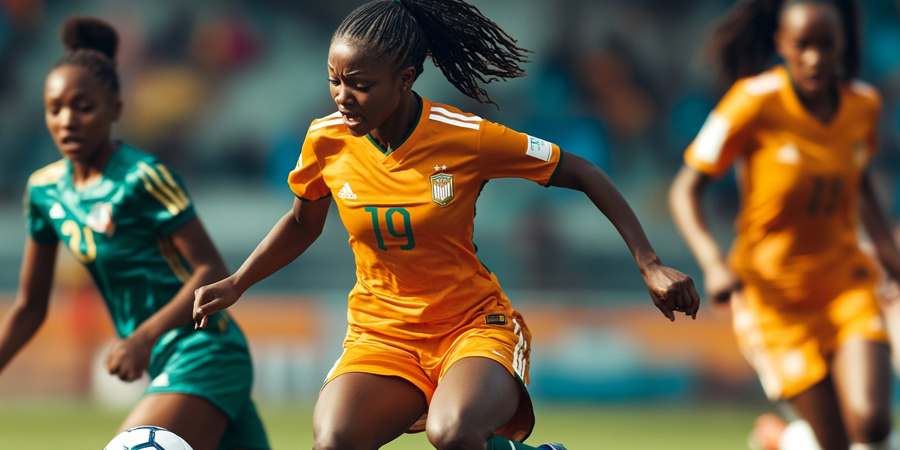
Football remains the biggest driver of women’s sports growth across Africa. National women’s football teams have achieved remarkable success on the global stage. African teams regularly qualify for international tournaments and continue to challenge some of the world’s strongest football nations.
Countries such as:
- Nigeria
- South Africa
- Morocco
- Zambia
- Ghana
- Cameroon
have invested considerably in developing women’s football leagues and youth academies. The success of these teams has inspired millions of young girls to participate in football, a sport that was once considered exclusively for boys in many communities.
Professional leagues are gradually becoming more competitive, offering better coaching, improved facilities, and increased financial support.
Athletics Continues to Shine
Africa has long produced some of the world’s greatest runners, and women have played a major role in that success. Female athletes from East African nations continue to dominate long-distance running events, including marathons and Olympic competitions.
Countries like:
- Kenya
- Ethiopia
- Uganda
have produced world champions whose achievements inspire future generations.
Beyond distance running, African women are excelling in:
- Sprinting
- High jump
- Middle-distance races
- Hurdles
- Field events
Their consistent international success has elevated Africa’s reputation in global athletics.
Basketball’s Rising Popularity
Women’s basketball is expanding rapidly across Africa. Professional competitions have become more organized, while national teams continue to improve through increased investment and international exposure.
Youth basketball academies are identifying talented girls at earlier ages, providing professional coaching and scholarship opportunities. International scouts increasingly look toward African talent, creating pathways to universities and professional leagues abroad.
Basketball has become one of the fastest-growing opportunities for female athletes across the continent.
Rugby and Cricket Gaining Ground
Although football and athletics dominate headlines, rugby and cricket are attracting increasing numbers of female participants. South Africa has become a leader in developing women’s rugby, while countries such as Kenya and Uganda continue expanding participation.
Women’s cricket is also growing steadily through school competitions, regional tournaments, and improved grassroots development. These sports provide additional opportunities for girls who may not be interested in football or athletics.
Education and Sports Development
Schools play an important role in the growth of women’s sports. Across Africa, more educational institutions now encourage girls to participate in athletics alongside their academic studies.
Benefits include:
- Improved physical health
- Better self-confidence
- Leadership development
- Teamwork skills
- Academic scholarships
- Career opportunities
School competitions often serve as the first step toward professional sports careers. Universities are also offering sports scholarships that allow talented athletes to continue developing while earning higher education qualifications.
The Power of Role Models
Successful female athletes inspire entire communities. When young girls see women representing their countries on international stages, they begin believing similar achievements are possible.
Role models demonstrate:
- Discipline
- Hard work
- Determination
- Leadership
- Confidence
- Resilience
Many African female athletes now actively mentor younger players, visit schools, and establish sports foundations that encourage girls to participate in athletics.
This cycle of inspiration continues to strengthen women’s sports across generations.
Media Coverage Is Improving
Historically, women’s sporting events received far less media attention than men’s competitions. Fortunately, this is beginning to change. Television broadcasters, newspapers, websites, and digital media platforms now dedicate more coverage to women’s tournaments.
Social media has accelerated this growth by allowing athletes to connect directly with supporters.
Platforms such as Instagram, TikTok, Facebook, and YouTube enable female athletes to:
- Build personal brands
- Attract sponsorships
- Inspire young audiences
- Promote sporting events
- Share training experiences
Greater visibility helps generate larger audiences and stronger commercial interest.
Sponsorship and Commercial Growth
Corporate sponsorship has become increasingly important for women’s sports. Businesses recognize that supporting female athletes offers valuable marketing opportunities while promoting diversity and inclusion.
Sponsorship can provide:
- Better training facilities
- Improved equipment
- Higher salaries
- Travel support
- Youth development programs
- Medical assistance
As commercial investment grows, women’s leagues become more sustainable and competitive.
Challenges Still Facing Female Athletes
Despite remarkable progress, many obstacles remain.
Limited Funding
Many women’s teams continue operating with significantly smaller budgets than men’s teams.
This affects:
- Training quality
- Equipment
- Coaching
- Travel
- Player salaries
Greater financial investment remains essential.
Unequal Media Attention
Although coverage has improved, many women’s competitions still receive less publicity than men’s events.
Reduced exposure limits sponsorship opportunities and public support.
Cultural Barriers
In some communities, traditional beliefs discourage girls from participating in sports.
Families may prioritize domestic responsibilities or academic achievement over athletics.
Changing these attitudes requires education, advocacy, and visible success stories.
Infrastructure Challenges
Many female athletes train on facilities that lack adequate equipment or maintenance.
Improving sports infrastructure benefits athletes at every level.
Government Support
Several African governments now recognize sports as a valuable contributor to national development.
Investment areas include:
- Youth academies
- Women’s leagues
- Coaching education
- Sports science
- Talent identification
- International competition preparation
Public policies promoting gender equality in sports continue encouraging greater female participation.
International Partnerships
Global sporting organizations are partnering with African federations to strengthen women’s sports.
These partnerships provide:
- Coaching education
- Technical expertise
- Financial assistance
- Competition opportunities
- Youth development initiatives
International collaboration helps raise professional standards across the continent.
Economic Opportunities Through Sports
Women’s sports create employment beyond athletes themselves.
Growing sports industries generate careers in:
- Coaching
- Sports medicine
- Journalism
- Broadcasting
- Event management
- Marketing
- Photography
- Fitness training
- Sports administration
As leagues expand, they contribute to local economies while creating opportunities for women in multiple professions.
Technology Supporting Growth
Digital technology has transformed sports development.
Athletes now access:
- Online coaching resources
- Performance analysis software
- Nutrition education
- Injury prevention programs
- International competitions through live streaming
Technology helps reduce geographical barriers and allows African athletes to compete on a more equal footing globally.
The Next Generation
Perhaps the most exciting aspect of women’s sports growth is the increasing participation of young girls. Grassroots initiatives across Africa encourage children to develop sporting skills from an early age.
Community clubs, school competitions, and youth academies are producing talented athletes who will shape African sports over the coming decades. With stronger support systems now emerging, today’s young athletes have more opportunities than previous generations.
The Future of Women’s Sports in Africa
The future looks increasingly promising. Continued investment, improved governance, greater media coverage, stronger sponsorship, and expanding youth programs are creating a healthier sporting ecosystem.
If these trends continue, African women’s sports will produce even more international champions while inspiring millions of girls to pursue their dreams.
The growth of women’s sports is about more than winning medals. It represents progress toward equality, empowerment, education, and opportunity. Every competition, every record broken, and every young girl encouraged to participate helps build a future where talent—not gender, determines success.
Conclusion
Women’s sports in Africa have entered an exciting period of growth. Across football, athletics, basketball, rugby, cricket, and many other disciplines, female athletes are demonstrating exceptional ability and determination. Although funding gaps, cultural barriers, and infrastructure challenges persist, the progress achieved over the past decade is undeniable.
As governments, businesses, schools, media organizations, and communities continue investing in women’s sports, Africa is well-positioned to become one of the world’s leading regions for female athletic excellence. Supporting women’s sports is not only an investment in athletes, it is an investment in healthier communities, stronger economies, and a more inclusive future for the continent.



Leave a reply






Africa’s Source for Breaking News | Entertainments | Health | Finance | Sports | Lifestyle and Business News.


