
Africa’s Growing Influence in Global Affairs
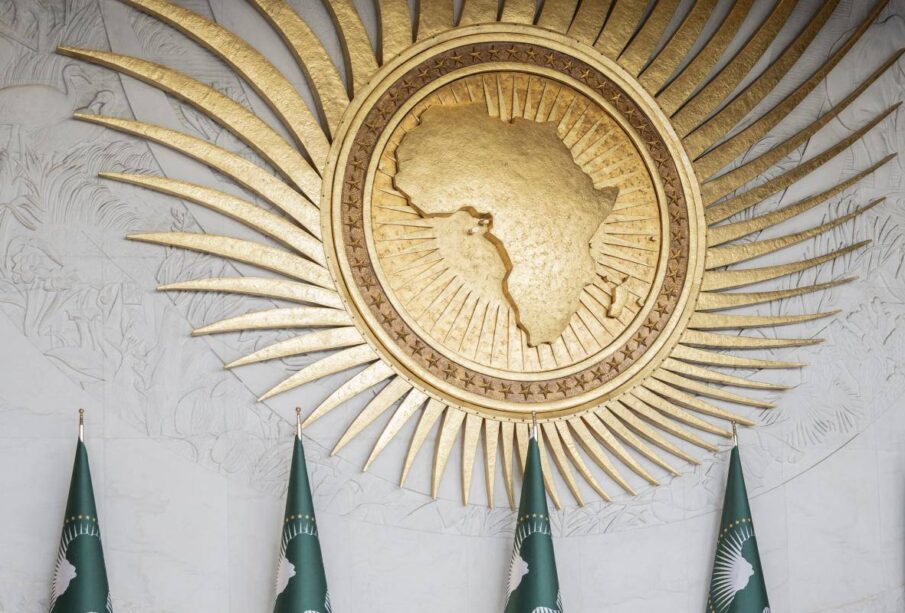
Africa's Growing Influence in Global Affairs
For decades, Africa was often viewed through the narrow lenses of foreign aid, conflict, and underdevelopment.
Today, that narrative is changing rapidly. Across the continent, nations are strengthening their economies, expanding diplomatic partnerships, embracing innovation, and taking more active roles in addressing global challenges.
Home to over 1.5 billion people and the world’s youngest population, Africa represents one of the greatest opportunities for global growth during the 21st century. Its abundant natural resources, expanding consumer markets, strategic geographic location, and increasing political cooperation have positioned the continent as a significant force in international affairs.
As the global balance of power continues to evolve, Africa is no longer simply responding to world events, it is increasingly helping shape them.
The Demographic Advantage
One of Africa’s greatest strengths is its people. According to United Nations projections, Africa’s population is expected to reach nearly 2.5 billion by 2050, with a large percentage under the age of 25. This youthful demographic presents enormous opportunities for economic expansion, entrepreneurship, technological innovation, and workforce development.
Unlike many developed regions facing aging populations and labor shortages, Africa possesses a growing labor force capable of driving future global industries.
This demographic shift makes Africa an increasingly important partner for international businesses seeking new markets and talent.
Economic Growth and Emerging Markets
Africa’s economy has diversified significantly over the past two decades.
While natural resources remain important, sectors such as:
- Financial technology (FinTech)
- Agriculture
- Manufacturing
- Renewable energy
- Telecommunications
- Creative industries
- Digital commerce
are expanding rapidly across many countries.
Nations including Nigeria, Kenya, Rwanda, Ghana, Egypt, Morocco, and South Africa have become regional innovation hubs attracting billions of dollars in investment. The implementation of the African Continental Free Trade Area (AfCFTA) also promises to strengthen intra-African trade by creating one of the world’s largest free trade zones.
Greater economic integration allows African businesses to compete internationally while reducing dependence on imports from outside the continent.
Africa’s Strategic Natural Resources
Africa possesses an extraordinary share of the world’s critical natural resources.
The continent holds significant reserves of:
- Cobalt
- Lithium
- Copper
- Gold
- Diamonds
- Platinum
- Rare earth minerals
- Oil and natural gas
These resources are increasingly important for industries producing electric vehicles, batteries, renewable energy technologies, and advanced electronics.
As countries pursue green energy transitions, Africa’s mineral wealth has become central to global supply chains.
Rather than exporting raw materials alone, many African governments are encouraging local processing and value addition to maximize economic benefits.
Growing Diplomatic Influence
African countries are becoming more influential within international organizations. The African Union (AU) continues to coordinate continental policies on peace, security, trade, health, and governance.
African leaders increasingly speak with a unified voice during negotiations involving:
- Climate change
- Global health
- International trade
- Debt restructuring
- Peacekeeping
- Food security
Africa’s inclusion as a permanent member of the G20 reflects the continent’s growing geopolitical importance. As global institutions seek broader representation, Africa’s participation in decision-making continues to expand.
Africa’s Role in Global Climate Solutions
Although Africa contributes relatively little to global greenhouse gas emissions, it remains among the regions most vulnerable to climate change.
Rather than being viewed only as a victim, Africa is becoming a source of climate solutions.
Several countries are investing heavily in:
- Solar energy
- Wind power
- Green hydrogen
- Sustainable agriculture
- Climate-smart infrastructure
- Forest conservation
Africa also possesses enormous renewable energy potential that could supply clean power for future generations. International climate negotiations increasingly recognize Africa as an essential partner in achieving global sustainability goals.
Innovation Across the Continent
Technology is transforming African economies faster than many observers predicted.
Digital innovation has flourished across sectors including:
Financial Services
Mobile money platforms have revolutionized financial inclusion by allowing millions of previously unbanked people to access financial services.
Agriculture
Smart farming technologies help farmers improve yields while reducing environmental impact.
Healthcare
Telemedicine, digital diagnostics, and health information systems improve healthcare access in remote communities.
Education
Online learning platforms expand educational opportunities for millions of young Africans.
Innovation ecosystems in Lagos, Nairobi, Cape Town, Kigali, Cairo, and Accra continue attracting international venture capital investment.
Cultural Influence Around the World
Africa’s global impact extends far beyond politics and economics.
African culture increasingly shapes international entertainment, fashion, music, cuisine, sports, and literature.
Afrobeats has become one of the fastest-growing music genres globally.
African designers regularly appear at international fashion events.
Authors from across the continent continue receiving international literary recognition.
African films are reaching wider audiences through global streaming platforms.
These cultural exports strengthen Africa’s global image while creating new economic opportunities.
Peacekeeping and Regional Security
African nations increasingly lead efforts to resolve conflicts within the continent. Regional organizations often coordinate peacekeeping missions, election monitoring, mediation efforts, and humanitarian responses.
While security challenges remain, African-led solutions have become an important part of maintaining regional stability.
Greater investment in governance, education, and economic opportunity also contributes to long-term peacebuilding efforts.
Expanding International Partnerships
Africa maintains relationships with countries across every major region of the world. Rather than relying on a single partner, African governments increasingly pursue diversified diplomatic and economic relationships.
Major partners include:
- China
- United States
- European Union
- India
- Türkiye
- Gulf States
- Japan
- Brazil
These partnerships cover infrastructure, trade, education, healthcare, technology transfer, and investment.
This diversified approach provides African countries with greater bargaining power and strategic flexibility.
The Digital Economy
Africa’s internet penetration continues to grow, creating new opportunities for businesses and consumers alike. E-commerce platforms, digital payments, remote work, artificial intelligence, and cloud computing are transforming industries across the continent.
Young entrepreneurs are building startups that solve uniquely African challenges while attracting international investors.
The digital economy is expected to become one of Africa’s strongest engines of future growth.
Challenges That Must Still Be Addressed
Despite impressive progress, several challenges continue affecting Africa’s global influence.
These include:
- Infrastructure gaps
- High youth unemployment
- Political instability in some regions
- Public debt
- Climate vulnerability
- Unequal access to education
- Healthcare disparities
Addressing these issues will require stronger governance, regional cooperation, investment in human capital, and continued economic reforms.
Fortunately, many African countries are already implementing policies designed to improve long-term resilience.
Why Africa Matters to the World
Africa’s future is closely connected to the future of the global economy.
The continent will play an increasingly important role in:
- Global trade
- Food production
- Renewable energy
- Technology innovation
- Manufacturing
- Climate action
- Cultural exchange
- International diplomacy
Businesses, governments, investors, and international organizations increasingly recognize that sustainable global growth depends on meaningful partnerships with African nations.
The Road Ahead
Africa’s influence in global affairs is no longer a prediction, it is a reality that continues to strengthen. Through its youthful population, expanding economies, abundant resources, technological innovation, cultural dynamism, and growing diplomatic presence, the continent is reshaping international conversations and creating new opportunities for collaboration.
The years ahead will be defined not only by Africa’s ability to address internal challenges but also by its capacity to transform those challenges into opportunities for sustainable development and shared prosperity. As regional integration deepens, innovation accelerates, and African voices gain greater prominence in global institutions, the continent is set to play an even more decisive role in shaping the world’s future.
For businesses, policymakers, investors, and citizens alike, understanding Africa’s growing influence is no longer optional, it is essential. The continent is emerging as a key driver of global progress, and its success will have lasting implications for economies, societies, and international cooperation across the globe.



Leave a reply





Africa’s Source for Breaking News | Entertainments | Health | Finance | Sports | Lifestyle and Business News.


