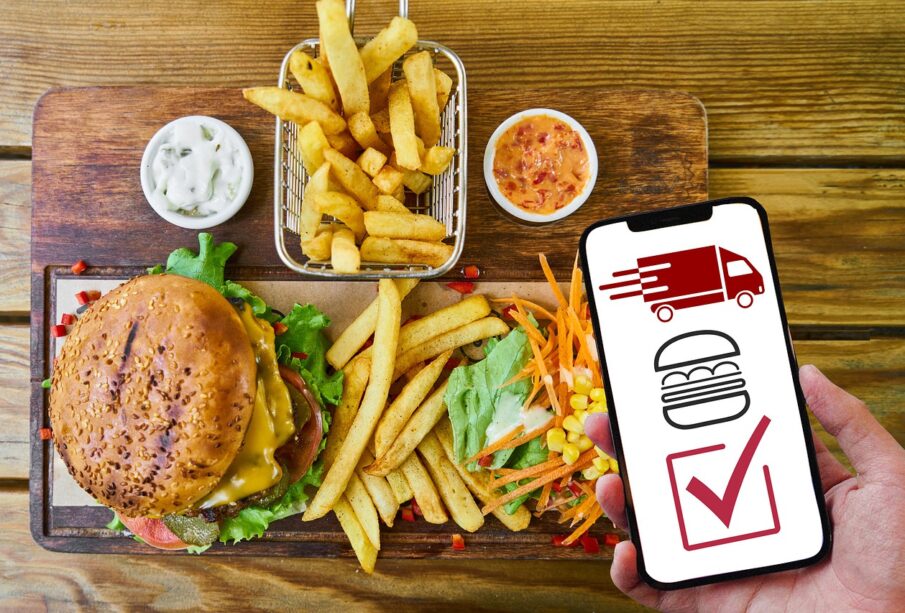
The Business of Food Delivery Services: Transforming Convenience Into Opportunity
Food delivery services have evolved from a luxury convenience into an essential part of modern life. Whether it is a busy professional ordering lunch, a family requesting dinner after a long day, or a student satisfying late-night cravings, food delivery has become deeply woven into everyday routines. Across Africa, the industry has experienced remarkable growth, fueled by urbanization, increased smartphone usage, digital payment systems, and changing consumer lifestyles.
The food delivery business is no longer just about transporting meals from restaurants to customers. It has become an ecosystem that connects restaurants, delivery riders, technology providers, payment companies, and consumers. As demand continues to rise, entrepreneurs and businesses are discovering new opportunities within this fast-growing sector.
This article explores how food delivery services operate, why they are thriving across Africa, the opportunities they create, the challenges they face, and what the future holds for this dynamic industry.
Understanding the Food Delivery Business
A food delivery service is a business that enables customers to order meals from restaurants, food vendors, or home-based kitchens through digital platforms or direct communication channels. Once an order is placed, the food is prepared and delivered to the customer’s location.
Food delivery businesses generally operate under three main models:
Marketplace Platforms
These platforms connect customers with multiple restaurants through a single mobile app or website. Customers browse menus, place orders, make payments, and track deliveries.
Examples include local African delivery startups as well as international platforms operating in various countries.
Restaurant-Owned Delivery
Many restaurants maintain their own delivery teams rather than relying on third-party platforms. This gives them greater control over customer experience and delivery quality.
Cloud Kitchens
Cloud kitchens, also called ghost kitchens, prepare meals exclusively for delivery. Since they do not operate traditional dining spaces, they often have lower operating costs and can focus entirely on fulfilling online orders.
Why Food Delivery Is Growing Across Africa
Several factors are driving the rapid expansion of food delivery services across the continent.
Rapid Urbanization
African cities continue to expand as more people move into urban areas. Busy lifestyles leave less time for cooking, making food delivery an attractive solution.
Smartphone Adoption
Millions of Africans now own smartphones, making it easier to browse menus, compare prices, and order food within minutes.
Digital Payments
Mobile money services, online banking, and digital wallets have simplified payment processes. Customers no longer need cash to enjoy convenient food delivery.
Changing Consumer Habits
Modern consumers increasingly value speed, convenience, and flexibility. Ordering meals online fits seamlessly into their daily routines.
Growth of Local Restaurants
Food delivery platforms help restaurants reach customers beyond their physical locations, enabling even small eateries to compete with larger brands.
How Food Delivery Businesses Make Money
Successful food delivery companies generate revenue from multiple sources.
Delivery Fees
Customers usually pay a fee based on distance, delivery time, or order size.
Restaurant Commissions
Many platforms charge restaurants a commission on every completed order. This often serves as their primary source of income.
Subscription Services
Some companies offer monthly memberships that provide benefits such as free deliveries, exclusive discounts, or faster service.
Advertising and Promotions
Restaurants pay to appear prominently on delivery platforms, increasing their visibility to potential customers.
Data Insights
Some platforms provide restaurants with valuable customer data and market insights for an additional fee, helping businesses improve menu offerings and marketing strategies.
Benefits for Restaurants
Food delivery has become an important revenue stream for restaurants.
Expanded Customer Reach
Restaurants can serve customers located far beyond their immediate neighborhood.
Increased Sales
Delivery allows restaurants to generate revenue throughout the day, including during periods when dine-in traffic is slow.
Brand Visibility
Appearing on popular delivery platforms exposes restaurants to thousands of new customers.
Lower Marketing Costs
Instead of investing heavily in advertising, restaurants benefit from the visibility already created by established delivery platforms.
Opportunities for Entrepreneurs
The food delivery industry offers numerous business opportunities beyond operating a delivery app.
Delivery Logistics
Entrepreneurs can establish delivery fleets that partner with restaurants lacking their own riders.
Home-Based Food Businesses
Many skilled cooks now sell meals directly from home through delivery platforms and social media.
Specialized Delivery Services
Businesses can focus on specific customer needs, including:
Healthy meal delivery
Corporate lunch services
Traditional African cuisine
Family meal packages
Late-night food delivery
Technology Solutions
Software developers can build ordering systems, delivery management tools, customer loyalty programs, and restaurant management software.
The Role of Technology
Technology has become the backbone of modern food delivery services.
Delivery riders use GPS technology to locate customers efficiently, reducing delivery times and fuel costs.
Artificial Intelligence
AI helps predict demand, optimize delivery routes, recommend meals, and improve customer service through chatbots.
Digital Payments
Secure payment gateways reduce fraud while making transactions faster and more convenient.
Challenges Facing Food Delivery Businesses
Despite its growth, the industry faces several operational challenges.
High Delivery Costs
Fuel prices, vehicle maintenance, and rider wages can significantly reduce profit margins.
Traffic Congestion
Many African cities experience heavy traffic, leading to delayed deliveries and dissatisfied customers.
Food Quality
Maintaining meal freshness during transportation requires appropriate packaging and careful handling.
Customer Expectations
Customers increasingly expect fast delivery, accurate orders, affordable pricing, and excellent customer support.
Competition
As more delivery companies enter the market, businesses must differentiate themselves through service quality, pricing, and innovation.
Success Strategies
Businesses that thrive in food delivery often focus on several key areas.
Invest in Reliable Logistics
Efficient delivery operations help reduce delays and improve customer satisfaction.
Build Strong Restaurant Partnerships
Mutually beneficial relationships encourage restaurants to prioritize your platform.
Prioritize Customer Experience
Responsive customer support, easy refunds, and accurate deliveries build trust and encourage repeat orders.
Use Data Effectively
Analyzing customer preferences enables businesses to optimize menus, delivery routes, and promotional campaigns.
Maintain High Food Standards
Good packaging and proper handling preserve food quality and enhance customer satisfaction.
Food Delivery and Employment
Food delivery services have become significant job creators across Africa.
The industry supports:
Delivery riders
Customer service representatives
Software developers
Restaurant staff
Digital marketers
Warehouse personnel
Operations managers
Packaging suppliers
For many young people, delivery work provides flexible income opportunities while contributing to the expanding digital economy.
Sustainability in Food Delivery
Environmental concerns are prompting businesses to adopt more sustainable practices.
Some initiatives include:
Eco-friendly packaging
Reusable food containers
Electric delivery motorcycles
Bicycle deliveries in urban areas
Route optimization to reduce fuel consumption
Consumers are increasingly supporting businesses that demonstrate environmental responsibility.
The Future of Food Delivery in Africa
The future looks promising for Africa’s food delivery industry. Continued investments in internet connectivity, mobile payments, logistics infrastructure, and digital entrepreneurship will likely drive further expansion.
Emerging trends include:
Drone delivery trials
AI-powered customer recommendations
Subscription meal plans
Hyperlocal delivery services
Smart delivery lockers
Integration with grocery and pharmacy deliveries
As African cities continue to grow, food delivery companies that combine technology, operational efficiency, and exceptional customer service will be well-positioned for long-term success.
Conclusion
The business of food delivery services has transformed the way people access meals while creating valuable opportunities for restaurants, entrepreneurs, and technology companies. More than simply delivering food, the industry connects businesses with customers, generates employment, and supports the growth of Africa’s digital economy.
Although challenges such as logistics, traffic congestion, and rising operational costs remain, innovation and strategic planning continue to strengthen the sector. Businesses that invest in reliable technology, customer satisfaction, and sustainable operations will be better equipped to thrive in this competitive landscape.
For entrepreneurs seeking to enter a rapidly growing market, food delivery offers an exciting opportunity to combine convenience, technology, and excellent service into a profitable and impactful business.