
Climate Change Effects Across Africa
Climate Change Effects Across Africa
Climate Change Effects Across Africa: Challenges, Impacts, and Solutions
Climate change is no longer a distant environmental concern; it is a reality affecting millions of people across Africa every day. Although Africa contributes only a small percentage of global greenhouse gas emissions, it remains one of the regions most vulnerable to the effects of climate change. Rising temperatures, unpredictable rainfall patterns, prolonged droughts, severe floods, and environmental degradation are creating significant challenges for economies, communities, and ecosystems throughout the continent.
Rising Temperatures and Heatwaves
Africa has experienced a steady increase in average temperatures over the past several decades. Many regions are recording more frequent and intense heatwaves, which affect human health, agricultural productivity, and water availability.
In countries across North, West, and Southern Africa, extreme heat has become a growing concern. Higher temperatures increase the risk of heat-related illnesses, reduce labor productivity, and place additional stress on energy systems as demand for cooling rises.
Drought and Water Scarcity
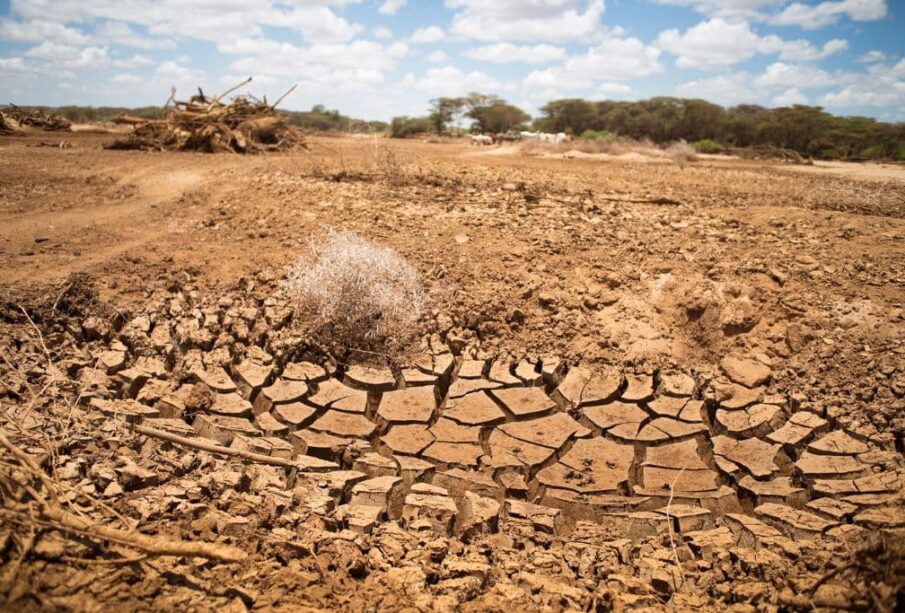
One of the most visible effects of climate change in Africa is the increase in drought frequency and intensity. Regions such as the Horn of Africa have suffered from recurring droughts that have devastated crops and livestock.
Water scarcity affects households, businesses, and agricultural activities. Many communities depend on rainfall for farming, making them highly vulnerable when rainy seasons become shorter or less predictable. As freshwater sources shrink, competition for water resources can also increase among communities and economic sectors.
Impact on Agriculture and Food Security
Agriculture remains the backbone of many African economies, employing a large portion of the population. However, climate change poses a serious threat to food production.
Unpredictable rainfall, extreme weather events, and changing growing seasons can reduce crop yields. Farmers often struggle to adapt to new climate conditions, leading to lower incomes and increased food insecurity. Staple crops such as maize, sorghum, and millet are particularly vulnerable to changing weather patterns.
As agricultural productivity declines, food prices may rise, placing additional pressure on households already facing economic challenges.
Increased Flooding and Extreme Weather
While some regions face drought, others experience severe flooding. Heavy rainfall events have become more common in several African countries, damaging infrastructure, homes, roads, and farmland.
Urban areas are especially vulnerable because rapid population growth often outpaces drainage and flood-management systems. Floods can disrupt transportation networks, contaminate water supplies, and increase the spread of waterborne diseases.
Cyclones affecting parts of Southern and Eastern Africa have also demonstrated how extreme weather events can cause widespread destruction and economic losses.
Threats to Wildlife and Biodiversity
Africa is home to some of the world’s most diverse ecosystems and wildlife populations. Climate change is altering habitats and threatening many species.
Changes in temperature and rainfall affect migration patterns, breeding cycles, and food availability for animals. National parks, forests, wetlands, and coastal ecosystems face increasing pressure as environmental conditions shift.
The loss of biodiversity not only impacts conservation efforts but also affects tourism industries that contribute significantly to many African economies.
Coastal Erosion and Rising Sea Levels
Many African cities and communities are located along coastlines. Rising sea levels, driven by global warming, are increasing the risk of coastal erosion, flooding, and saltwater intrusion.
Coastal regions in countries such as Nigeria, Senegal, Mozambique, and Egypt face growing threats to infrastructure, housing, and agricultural land. As sea levels continue to rise, some communities may be forced to relocate, creating additional social and economic challenges.
Health Impacts
Climate change is also affecting public health across Africa. Rising temperatures and changing weather conditions can increase the spread of diseases such as malaria, dengue fever, and cholera.
Flooding can contaminate drinking water sources, while droughts can lead to malnutrition due to food shortages. Vulnerable populations, including children, older adults, and low-income communities, often face the greatest health risks.
Economic Consequences
The economic impact of climate change extends across multiple sectors, including agriculture, tourism, fisheries, energy, and infrastructure. Damage from extreme weather events can require significant investment in recovery and reconstruction.
Many African governments must balance immediate development needs with long-term climate adaptation strategies. Without adequate action, climate-related losses could slow economic growth and increase poverty levels in vulnerable regions.
Adaptation and Resilience Efforts
Despite these challenges, African countries are taking steps to adapt to climate change. Governments, businesses, and communities are investing in climate-smart agriculture, renewable energy, sustainable water management, and disaster preparedness programs.
Solar and wind energy projects are expanding across the continent, helping to reduce dependence on fossil fuels while improving energy access. Reforestation initiatives and ecosystem restoration programs are also helping to strengthen environmental resilience.
International partnerships, technological innovation, and local community engagement will play critical roles in supporting Africa’s climate adaptation efforts.
Conclusion
Climate change is reshaping Africa’s environmental, social, and economic landscape. From droughts and floods to food insecurity and biodiversity loss, its effects are being felt across every region of the continent. However, Africa is also demonstrating resilience through innovation, adaptation, and sustainable development initiatives. By investing in climate solutions today, African nations can better protect their communities, economies, and natural resources for future generations.


Leave a reply




Africa’s Source for Breaking News | Entertainments | Health | Finance | Sports | Lifestyle and Business News.


