
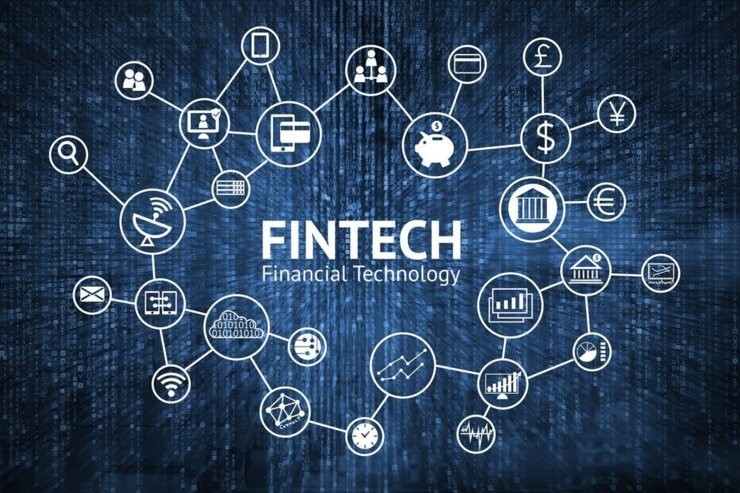
Fintech Innovations Transforming Banking
The banking industry is undergoing a major transformation thanks to financial technology, commonly known as fintech.
Across the world, fintech companies are introducing innovative solutions that make banking faster, more accessible, and more convenient. From mobile payments to artificial intelligence-powered financial services, fintech is reshaping how individuals and businesses manage money.
What Is Fintech?
Fintech refers to the use of technology to improve and automate financial services. It combines finance and digital innovation to create products and services that enhance the customer experience. Fintech solutions are used in payments, lending, insurance, investment management, and banking operations.
The rise of smartphones, internet connectivity, and digital platforms has accelerated fintech adoption, especially in emerging markets where traditional banking services may be limited.
Key Fintech Innovations Transforming Banking
1. Mobile Banking and Digital Wallets
Mobile banking applications have made it possible for customers to access their accounts, transfer money, pay bills, and monitor transactions from anywhere. Digital wallets allow users to store funds electronically and make secure payments without carrying cash.
These innovations have significantly improved financial inclusion, particularly in regions where physical bank branches are scarce.
2. Artificial Intelligence and Chatbots
Artificial intelligence (AI) is helping banks improve customer service and operational efficiency. AI-powered chatbots can answer customer questions, process requests, and provide support around the clock.
Banks also use AI to analyze customer behavior, detect fraudulent activities, and offer personalized financial recommendations.
3. Contactless Payments
Contactless payment technology enables customers to make purchases by tapping a card, smartphone, or wearable device. This method is faster and more convenient than traditional payment methods.
The popularity of contactless payments increased significantly following the global shift toward digital and cashless transactions.
4. Blockchain Technology
Blockchain is a secure digital ledger that records transactions across multiple systems. Banks are exploring blockchain for faster cross-border payments, improved transparency, and enhanced security.
The technology reduces transaction costs and minimizes delays often associated with international money transfers.
5. Digital Lending Platforms
Traditional loan applications can be lengthy and complex. Fintech lenders use digital platforms and advanced algorithms to assess creditworthiness and approve loans more quickly.
This innovation helps individuals and small businesses gain access to financing without extensive paperwork or long waiting periods.
6. Open Banking
Open banking allows customers to securely share their financial data with authorized third-party providers. This enables the development of innovative financial products and services tailored to customer needs.
Consumers benefit from better budgeting tools, financial planning applications, and more competitive banking options.
7. Biometric Authentication
Security remains a major concern in banking. Fintech innovations now allow customers to use fingerprints, facial recognition, and voice identification to access accounts and authorize transactions.
Biometric authentication enhances security while making the banking experience more convenient.
Benefits of Fintech in Banking
Improved Accessibility
Digital banking services allow customers to manage their finances anytime and anywhere. This is especially valuable for people living in rural or underserved areas.
Faster Transactions
Fintech solutions streamline processes, reducing the time needed for payments, transfers, and loan approvals.
Lower Costs
Automation and digital infrastructure help financial institutions reduce operating expenses, resulting in lower fees for customers.
Enhanced Customer Experience
Personalized services, user-friendly mobile apps, and instant support improve customer satisfaction.
Greater Financial Inclusion
Fintech is bringing millions of previously unbanked individuals into the formal financial system through mobile money and digital banking platforms.
Challenges Facing Fintech Adoption
Despite its benefits, fintech also faces several challenges:
- Cybersecurity threats and data breaches
- Regulatory compliance requirements
- Digital literacy gaps among users
- Competition between traditional banks and fintech startups
- Concerns about data privacy
Addressing these challenges is essential for sustainable growth and customer trust.
The Future of Banking
The future of banking will likely be driven by continued technological innovation. Artificial intelligence, machine learning, blockchain, and embedded finance are expected to become even more integrated into financial services.
Traditional banks are increasingly partnering with fintech companies to offer innovative products while maintaining regulatory compliance and customer trust. As technology evolves, customers can expect faster, safer, and more personalized banking experiences.
Conclusion
Fintech innovations are revolutionizing the banking sector by making financial services more efficient, accessible, and customer-focused. Mobile banking, AI, blockchain, digital lending, and biometric security are just a few examples of how technology is transforming the way people interact with money. As fintech continues to evolve, it will play a crucial role in shaping the future of global banking and expanding financial opportunities for millions around the world.




Leave a reply





Africa’s Source for Breaking News | Entertainments | Health | Finance | Sports | Lifestyle and Business News.


