
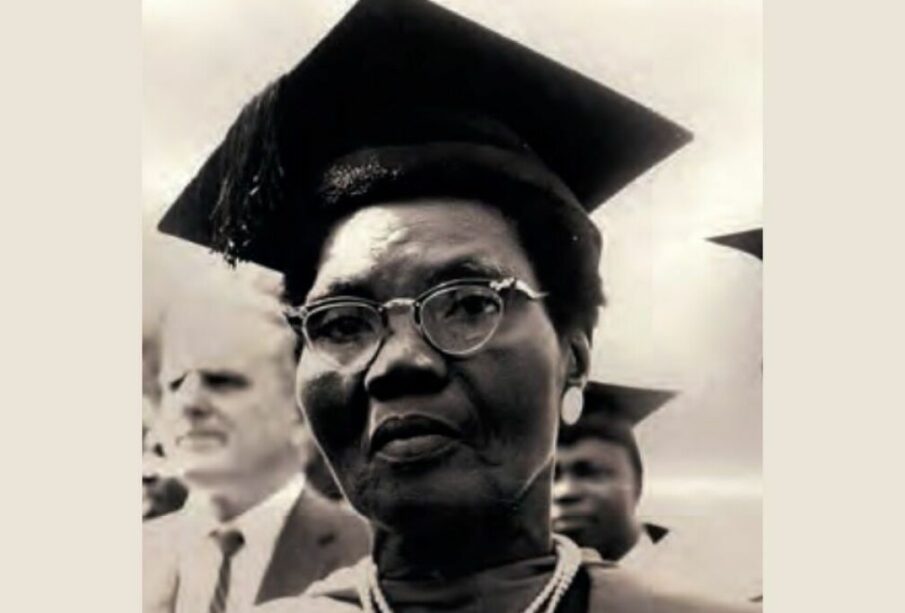
African Heroes Every Student Should Know
Africa is a continent rich in history, culture, innovation, and resilience.
Throughout the centuries, many remarkable Africans have made significant contributions to freedom, education, science, leadership, and social justice. Their stories continue to inspire millions around the world. For students, learning about these heroes provides valuable lessons in courage, determination, and service to humanity.
Here are some African heroes every student should know.
1. Nelson Mandela
Nelson Mandela is one of Africa’s most celebrated figures. He spent 27 years in prison for opposing apartheid, a system of racial segregation in South Africa. Despite the hardships he endured, Mandela promoted peace, forgiveness, and reconciliation after his release.
In 1994, he became South Africa’s first democratically elected president. His leadership helped unite a divided nation and inspired people worldwide to stand against injustice.
Lesson for students: Perseverance and forgiveness can overcome even the greatest challenges.
2. Kwame Nkrumah
Kwame Nkrumah played a crucial role in Ghana’s independence from colonial rule in 1957, making Ghana the first sub-Saharan African country to gain independence. He was a strong advocate for African unity and development.
Nkrumah believed that education and self-reliance were essential for Africa’s progress and encouraged Africans to take control of their future.
Lesson for students: Visionary leadership can inspire national transformation.
3. Wangari Maathai
Wangari Maathai was an environmental activist from Kenya who founded the Green Belt Movement. Through her efforts, millions of trees were planted to combat deforestation and environmental degradation.
In 2004, she became the first African woman to receive the Nobel Peace Prize. Her work demonstrated the connection between environmental protection, human rights, and sustainable development.
Lesson for students: One person can make a lasting impact on the environment and society.
4. Thomas Sankara
Often called “Africa’s Che Guevara,” Thomas Sankara was known for his commitment to fighting corruption, promoting women’s rights, and encouraging economic self-sufficiency in Burkina Faso.
Although his time in office was brief, his ideas continue to influence young Africans who seek positive change and accountable leadership.
Lesson for students: Integrity and courage are essential qualities of leadership.
5. Julius Nyerere
Julius Nyerere was instrumental in Tanzania’s independence and was widely respected for his emphasis on education and national unity. He believed that education was the key to development and worked to expand educational opportunities throughout the country.
His leadership helped maintain peace and stability in Tanzania during a period of significant change.
Lesson for students: Education is one of the most powerful tools for national development.
6. Patrice Lumumba
Patrice Lumumba became a symbol of African independence and self-determination. He passionately advocated for the sovereignty and dignity of the Congolese people during the country’s struggle for independence.
Though his political career was short, his commitment to freedom made him an enduring African icon.
Lesson for students: Standing up for justice often requires bravery and sacrifice.
7. Chinua Achebe
Chinua Achebe transformed African literature through his writing. His famous novel, Things Fall Apart, introduced African stories and perspectives to a global audience.
Achebe’s works challenged stereotypes about Africa and highlighted the richness of African cultures and traditions.
Lesson for students: Stories have the power to educate, preserve culture, and inspire change.
8. Mansa Musa
Mansa Musa ruled the Mali Empire during the 14th century and is remembered as one of the wealthiest individuals in history. Beyond his wealth, he invested heavily in education, architecture, and scholarship.
His support for learning helped make cities such as Timbuktu major centers of knowledge and culture.
Lesson for students: Investing in education creates a lasting legacy.
9. Funmilayo Ransome-Kuti
Funmilayo Ransome-Kuti was a pioneer in advocating for women’s rights in Nigeria. She organized women to fight unfair policies and worked tirelessly to improve educational opportunities.
Her activism helped pave the way for greater participation of women in public life.
Lesson for students: Speaking up for equality can transform communities.
10. Desmond Tutu
Desmond Tutu was a leading voice against apartheid and a champion of human rights. Through his advocacy and moral leadership, he encouraged peace, justice, and reconciliation.
He played a key role in South Africa’s Truth and Reconciliation Commission, which helped heal the nation after apartheid.
Lesson for students: Compassion and moral courage can promote lasting peace.
Why Students Should Learn About African Heroes
Studying African heroes helps students understand the continent’s rich history and appreciate the achievements of individuals who shaped nations and communities. These heroes demonstrate that leadership, education, innovation, and perseverance can create meaningful change.
Their stories encourage young people to dream big, overcome obstacles, and contribute positively to society. By learning from these remarkable Africans, students gain valuable lessons that can guide them throughout their lives.
Conclusion
Africa’s history is filled with extraordinary men and women who challenged injustice, advanced education, promoted unity, and inspired generations. From Nelson Mandela’s fight for freedom to Wangari Maathai’s environmental activism and Chinua Achebe’s literary achievements, these heroes remind us that determination and service can leave a lasting impact.
For students across Africa and beyond, their stories offer inspiration, wisdom, and a powerful reminder that every generation has the potential to shape a better future.



Leave a reply







Africa’s Source for Breaking News | Entertainments | Health | Finance | Sports | Lifestyle and Business News.


