
Great African Rivers and Their Importance
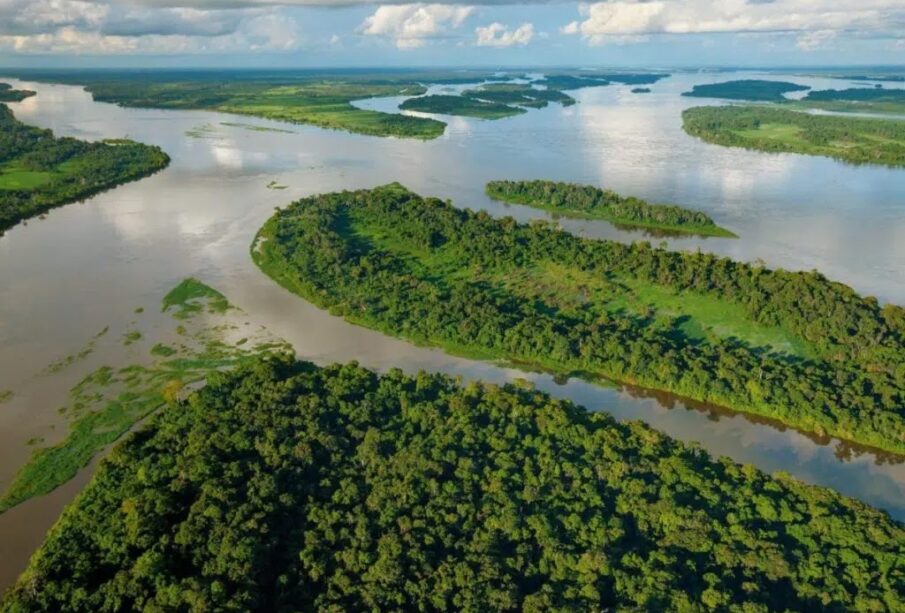
Great African Rivers and Their Importance
Africa is a continent blessed with extraordinary natural resources, and among its greatest treasures are its rivers.
Stretching across deserts, rainforests, mountains, and savannas, African rivers have shaped civilizations, supported biodiversity, powered economies, and sustained millions of people for thousands of years. They are far more than bodies of flowing water, they are lifelines that connect communities, drive agriculture, generate electricity, and preserve unique ecosystems.
From the mighty Nile in the northeast to the powerful Congo in Central Africa, these rivers continue to play an essential role in the continent’s past, present, and future. Understanding their importance helps us appreciate why protecting these waterways is vital for sustainable development.
Why African Rivers Matter
Rivers influence nearly every aspect of life on the continent. They provide fresh water for drinking and irrigation, support transportation, enable fishing industries, produce hydroelectric power, and create habitats for countless species of plants and animals.
Historically, many African kingdoms and civilizations emerged along rivers because reliable water sources made farming, trade, and settlement possible. Even today, many of Africa’s largest cities are located near major rivers.
The Nile River
The Nile is the longest river in Africa and is often regarded as the longest river in the world. Flowing through eleven countries, it has supported human civilization for thousands of years.
The river is perhaps best known for its role in the development of ancient Egypt. Annual flooding deposited nutrient-rich soil along its banks, allowing agriculture to flourish despite the surrounding desert.
Today, the Nile continues to provide:
- Water for millions of people
- Irrigation for farms
- Hydroelectric power
- Transportation routes
- Tourism opportunities
However, increasing populations, climate change, and disputes over water usage have made careful management of the Nile more important than ever.
The Congo River
The Congo River is Africa’s second-longest river but holds the distinction of being the continent’s deepest and one of the world’s most powerful rivers by water discharge.
Flowing through the heart of Central Africa, it supports one of the world’s largest tropical rainforests.
Its significance includes:
- Massive hydroelectric potential
- Rich fisheries
- Transportation for remote communities
- Biodiversity conservation
- Climate regulation through the Congo Basin rainforest
The Congo Basin acts as one of Earth’s largest carbon sinks, making the river vital not only to Africa but to the global environment.
The Niger River
The Niger River is the principal river of West Africa and has been central to commerce and civilization for centuries.
Historic trading cities such as Timbuktu flourished because of the river, becoming important centers of learning and commerce.
Today, the Niger River supports:
- Rice farming
- Fishing communities
- Inland transportation
- Livestock watering
- Regional trade
Its vast inland delta in Mali creates one of Africa’s richest wetland ecosystems.
The Zambezi River
Southern Africa’s Zambezi River is famous for its breathtaking scenery and immense economic value.
It is home to one of the world’s most spectacular waterfalls, Victoria Falls, attracting tourists from across the globe.
The river also provides:
- Hydroelectric energy
- Irrigation
- Commercial fishing
- Wildlife habitats
- Adventure tourism
Major dams along the river generate electricity for several Southern African nations.
The Orange River
The Orange River is the longest river in Southern Africa, flowing westward into the Atlantic Ocean.
Although much of its journey passes through dry regions, it serves as an essential water source for agriculture and communities.
Its contributions include:
- Irrigation for vineyards and fruit farms
- Water supply
- Mining support
- Hydroelectric generation
- Border demarcation between countries
The Senegal River
The Senegal River forms part of the border between several West African countries and has long supported agriculture and trade.
Regional cooperation has allowed countries sharing the river to jointly develop irrigation systems and hydroelectric projects.
The river contributes to:
- Rice production
- Fishing
- Flood control
- Energy generation
- Economic cooperation
The Limpopo River
Flowing through Southern Africa, the Limpopo River crosses multiple countries before reaching the Indian Ocean.
It supports farming communities despite seasonal variations in rainfall.
The river is important for:
- Irrigation
- Wildlife conservation
- Tourism
- Rural livelihoods
- Cross-border ecosystems
Biodiversity Along African Rivers
African rivers support an incredible diversity of wildlife. They provide habitats for:
- Hippopotamuses
- Crocodiles
- Numerous fish species
- Migratory birds
- Amphibians
- Aquatic plants
River ecosystems also sustain elephants, antelope, buffalo, and many predators that depend on nearby water sources.
These rivers are biodiversity hotspots that contribute to global conservation efforts.
Supporting Agriculture
Agriculture remains one of Africa’s largest employers, and rivers make farming possible in many regions.
River water is used to:
- Irrigate crops
- Water livestock
- Improve soil fertility
- Support fisheries
- Reduce dependence on rainfall
As climate patterns become more unpredictable, efficient river management is becoming increasingly important for food security.
Hydroelectric Power
Many African countries rely on rivers for renewable energy.
Hydroelectric dams convert flowing water into electricity that powers homes, industries, schools, and hospitals.
Expanding clean energy infrastructure along suitable rivers could help reduce electricity shortages while lowering dependence on fossil fuels.
Transportation and Trade
Before modern highways and railways, rivers served as major transportation corridors.
Even today, many communities depend on river transport because roads may be limited or inaccessible.
River transport helps move:
- Agricultural products
- Building materials
- Fuel
- Passengers
- Commercial goods
This reduces transportation costs and connects remote communities to larger markets.
Cultural and Historical Importance
African rivers are deeply woven into local traditions, folklore, and spiritual beliefs.
Many communities celebrate rivers through festivals, songs, ceremonies, and oral history.
Historically, rivers determined where kingdoms emerged, influenced migration routes, and facilitated trade between distant regions.
They continue to hold cultural significance for millions of Africans today.
Environmental Challenges
Despite their importance, African rivers face numerous threats.
Some of the biggest challenges include:
- Pollution from industries and households
- Plastic waste
- Deforestation
- Illegal mining
- Climate change
- Overfishing
- Unsustainable dam development
- Population pressure
Protecting rivers requires cooperation among governments, businesses, communities, and environmental organizations.
The Future of Africa’s Rivers
Sustainable management will determine whether Africa’s rivers continue supporting future generations.
Governments are investing in improved water management, renewable energy, conservation projects, and regional cooperation to balance economic growth with environmental protection.
Modern technologies such as satellite monitoring, efficient irrigation systems, and improved water treatment can help preserve these essential waterways.
Conclusion
Africa’s great rivers are among the continent’s most valuable natural assets. They nourish crops, power cities, sustain wildlife, support industries, and preserve centuries of history and culture. As populations grow and environmental pressures increase, protecting these rivers becomes not only an environmental responsibility but an economic and humanitarian necessity.
The future prosperity of Africa depends in many ways on the health of its rivers. By promoting sustainable management, reducing pollution, and encouraging regional cooperation, African nations can ensure these magnificent waterways continue to support life, development, and biodiversity for generations to come.



Leave a reply





Africa’s Source for Breaking News | Entertainments | Health | Finance | Sports | Lifestyle and Business News.


