
Mauritius’s Greatest Athletes You Should Know
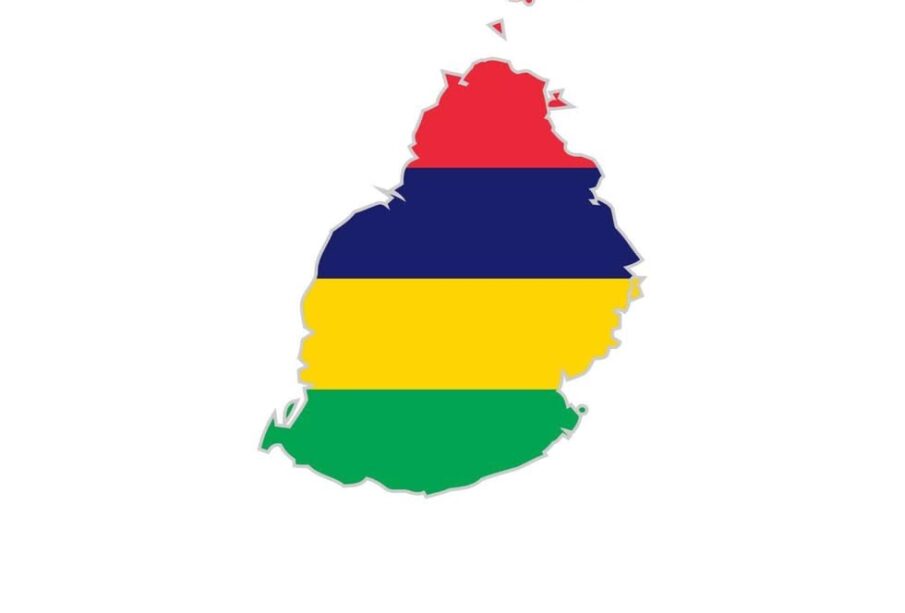
Mauritius may be a small island nation
Mauritius may be a small island nation in the Indian Ocean, but its sporting achievements have earned it recognition far beyond its shores.
Although the country is widely known for its beaches, tourism and multicultural heritage, it also has a proud sporting history shaped by determined athletes who have competed against some of the world’s best. From boxing and athletics to swimming, football and weightlifting, Mauritian sportsmen and women continue to demonstrate that talent and ambition are not limited by the size of a country.
Mauritius’s greatest athletes have represented their nation at the Olympic Games, Commonwealth Games, African Games and international championships. Some have won historic medals, while others have inspired younger generations through their dedication and performances. Their stories also reveal the challenges of developing elite sports in a country where athletes often have to balance limited resources with demanding training schedules.
Here are some of the remarkable Mauritian athletes you should know and the achievements that have helped shape the nation’s sporting identity.
1. Bruno Julie: Mauritius’s Olympic Boxing Pioneer
Bruno Julie occupies a special place in Mauritian sporting history. The boxer became the country’s first Olympic medallist when he won a bronze medal in the bantamweight division at the 2008 Beijing Olympic Games.
His achievement was significant because Mauritius had participated in the Olympics for decades without winning a medal. Julie’s success therefore represented more than an individual accomplishment. It demonstrated that a Mauritian athlete could compete successfully on one of the world’s biggest sporting stages.
Boxing requires discipline, technical ability, physical conditioning and the mental strength to perform under intense pressure. Julie demonstrated these qualities throughout his Olympic campaign. His bronze medal gave Mauritius a sporting milestone that future generations could aspire to surpass.
Beyond the medal itself, his achievement increased the visibility of boxing in Mauritius. Young athletes gained a powerful example of what dedication could accomplish, even when competing against countries with stronger sporting traditions and larger training programmes.
2. Marie Perrier: A Leading Figure in Mauritian Athletics
Marie Perrier is an important name in Mauritian distance running. Born in France and representing Mauritius internationally, she has competed in road racing and marathon events, helping bring attention to the country’s presence in long-distance athletics.
Distance running demands more than natural speed. Athletes must develop endurance, pacing, nutritional discipline and the ability to manage physical discomfort over extended periods. Marathon runners, in particular, spend months preparing for competitions that can last several hours.
Perrier’s performances have contributed to Mauritius’s visibility in international road-running events. Her career also illustrates how athletes with connections to different countries can contribute to national sporting programmes through international representation.
Her inclusion among notable Mauritian athletes highlights the importance of recognising sporting achievement across disciplines, rather than measuring national success only through Olympic medals.
3. Jonathan Drack: Mauritius’s Triple Jump Representative
Jonathan Drack is one of Mauritius’s recognised names in international athletics. Specialising in the triple jump, he has represented the country at major competitions, including the Olympic Games.
The triple jump is one of athletics’ most technically demanding events. Competitors must combine speed, coordination, explosive power and precise movement through three consecutive phases: the hop, step and jump. Small technical errors can significantly affect the final distance.
Drack’s participation on the international stage has helped maintain Mauritius’s presence in track and field. His discipline also demonstrates the variety of talent within the country’s sporting community.
Athletes in technical field events often receive less public attention than footballers or sprinters. Nevertheless, their performances require years of specialised coaching and preparation. Drack’s career is a reminder that national sporting development depends on supporting athletes across a wide range of events.
4. Roilya Ranaivosoa: A Powerful Name in Weightlifting
Roilya Ranaivosoa has established herself as one of Mauritius’s notable female weightlifters. She has represented the country at major international competitions, including the Commonwealth Games and Olympic Games.
Weightlifting is a sport built around strength, precision and consistency. Competitors must master the snatch and the clean and jerk, two lifts that demand exceptional technique alongside physical power. Success also depends on managing body weight and selecting appropriate attempts under competition pressure.
Ranaivosoa’s international appearances have helped raise the profile of women’s weightlifting in Mauritius. Her career demonstrates that female athletes can excel in sports that have historically received less mainstream attention.
Representation matters in developing sports participation. When young women see athletes from their own country competing internationally, elite sport becomes a more realistic ambition. Ranaivosoa’s achievements therefore contribute to a broader conversation about opportunity, gender and sporting excellence.
5. Kersley Gardenne: A Mauritian Football Talent
Kersley Gardenne is associated with Mauritian football and the country’s efforts to develop competitive players for domestic and international matches.
Football remains one of the world’s most popular sports, and Mauritius shares that enthusiasm. Local clubs, school competitions and national-team fixtures provide opportunities for young players to develop their technical skills and tactical understanding.
However, Mauritian football faces challenges when competing with countries that have larger professional leagues, extensive scouting networks and greater financial resources. Players must often work within these limitations while striving to improve their performance.
Gardenne represents the broader group of footballers whose commitment sustains the sport in Mauritius. Their contributions matter because national football depends not only on celebrated international stars but also on the players, coaches and clubs that build competitive foundations.
6. Anabelle Smith and the Importance of Mauritian Swimming
Swimming has a place in Mauritius’s sporting landscape, although its development requires investment in suitable facilities, coaching and competitive opportunities. Athletes in the discipline must combine technical efficiency with strength, endurance and carefully managed training.
Mauritius has produced swimmers who have represented the country at international competitions, including the Olympic Games and Commonwealth Games. Their participation has helped expose Mauritian talent to international standards and encouraged interest in aquatic sports.
It is important, however, to distinguish athletes who represent Mauritius from those who have Mauritian ancestry but compete for another country. For example, Australian diver Anabelle Smith has Mauritian heritage, but she represents Australia internationally. Her career demonstrates the broader sporting connections between Mauritius and the international community rather than making her a representative of the Mauritian national team.
Such distinctions matter when celebrating national sporting history. They also show how the Mauritian diaspora can contribute to the country’s wider sporting identity and international relationships.
7. Stéphan Buckland: One of Mauritius’s Greatest Sprinters
Stéphan Buckland is widely remembered as one of Mauritius’s finest sprinters. He specialised in the 200 metres and competed at multiple Olympic Games, earning recognition for his speed and consistency against elite international competition.
Buckland’s performances helped establish Mauritius as a country capable of producing competitive athletes in sprinting. His participation in major championships gave the nation visibility in a discipline traditionally dominated by countries with extensive athletics programmes.
Sprint racing requires explosive acceleration, technical efficiency and the ability to maintain speed through the final stages of a race. Athletes must also develop exceptional concentration because races can be decided by fractions of a second.
Buckland’s career remains an important part of Mauritian athletics history. His achievements continue to inspire young runners who hope to represent their country internationally.
8. Jonathan Chimier: A Record-Setting Long Jumper
Jonathan Chimier is another prominent figure in Mauritian athletics. He made history at the 2004 Athens Olympic Games by becoming the first Mauritian athlete to reach an Olympic final, competing in the long jump.
His performance represented a major breakthrough for Mauritius. While reaching an Olympic final does not automatically guarantee a medal, it demonstrates the ability to compete among the world’s leading athletes.
The long jump combines speed, timing, coordination and explosive power. Competitors must generate maximum speed during their approach before executing a precise take-off and maintaining control in the air.
Chimier’s achievement helped establish a benchmark for future Mauritian athletes. Alongside other notable competitors, he demonstrated that athletes from small nations could reach the highest levels of international competition through preparation and determination. His legacy remains an important chapter in the development of Mauritian track and field.
9. Christiane Legentil: A Pioneer in Mauritian Judo
Christiane Legentil is one of Mauritius’s recognised judokas. She represented the country at the 2012 London and 2016 Rio Olympic Games, competing in the women’s lightweight divisions.
Judo requires strength, balance, agility and tactical intelligence. Athletes must anticipate their opponents’ movements, execute techniques accurately and remain composed under pressure.
Legentil’s Olympic appearances helped increase the visibility of martial arts in Mauritius. Her participation also highlighted the growing presence of women in international sport.
Her career illustrates an important point about sporting excellence: success is not measured exclusively by medals. Reaching the Olympic Games requires athletes to qualify through demanding competitions and sustain years of specialised preparation.
For aspiring judokas, Legentil offers an example of perseverance and national representation.
10. Terence Saramandif: A Youth Olympic Champion
Terence Saramandif is one of the most exciting names in Mauritius’s sporting history because of his achievement at the 2018 Youth Olympic Games in Buenos Aires, Argentina.
He won gold in the boys’ canoe slalom C1 obstacle event, delivering a historic victory for Mauritius at the youth competition. The result demonstrated that the country could excel beyond its more established sporting disciplines.
Canoe slalom requires athletes to navigate a course of gates while controlling their boats through challenging water conditions. Competitors need exceptional balance, strength, technical skill and quick decision-making.
Saramandif’s gold medal offered a powerful reminder that sporting talent can emerge in less familiar disciplines. His achievement also highlighted the importance of youth development programmes that introduce athletes to different sports and provide opportunities to compete internationally.
For a small island nation, discovering and supporting talent across multiple disciplines can create new pathways to international success.
The Future of Mauritian Sport
Mauritius has built a sporting legacy that extends well beyond its size. Bruno Julie’s Olympic bronze medal, Jonathan Chimier’s Olympic final, Stéphan Buckland’s sprinting career and Terence Saramandif’s Youth Olympic gold demonstrate the country’s ability to produce athletes who can compete internationally. The Mauritius Olympic Committee continues to support participation in elite competitions and the development of sporting opportunities.
However, sustaining this progress requires investment in coaching, training facilities, sports science and athlete welfare. Young competitors also need access to reliable funding, quality equipment and regular opportunities to test themselves against strong opponents.
Schools, sports federations, private sponsors and government agencies all have a role to play. Better grassroots programmes can help identify promising athletes early, while transparent selection processes and long-term support can help them reach their potential.
Women’s sport also deserves continued attention. Athletes such as Roilya Ranaivosoa and Christiane Legentil show why girls should have equal access to coaching, facilities and competitive opportunities.
Conclusion
Mauritius’s greatest athletes have helped transform the country’s sporting reputation through historic medals, international appearances and achievements that continue to inspire younger generations. Their stories span boxing, athletics, weightlifting, judo and canoeing, revealing the diversity of talent within the island nation.
Although Bruno Julie remains the country’s first Olympic medallist, the broader Mauritian sporting story includes many other athletes whose performances have created important milestones. Jonathan Chimier, Stéphan Buckland, Roilya Ranaivosoa, Christiane Legentil and Terence Saramandif each represent a different aspect of that journey.
Ultimately, their greatest contribution extends beyond individual results. They have shown young Mauritians that dedication, discipline and opportunity can open doors to the international stage. With sustained investment and support, Mauritius can continue developing athletes who bring pride to their country and inspire future generations to pursue sporting excellence.



Leave a reply





Africa’s Source for Breaking News | Entertainments | Health | Finance | Sports | Lifestyle and Business News.


