
Power Cuts in Togo
Power Cuts in Togo
Power Cuts in Togo: Why the Lights Keep Going Out and What Could Fix It
Electricity is essential for economic growth, education, healthcare and everyday life. Yet, for many households and businesses in Togo, reliable power remains a challenge. From small shops in Lomé to homes in rural communities, power interruptions can disrupt daily activities, increase operating costs and limit opportunities for growth. Although the country has made progress in expanding electricity access, ensuring a consistent and affordable supply remains a major concern.
Togo’s electricity challenges reflect several connected problems, including dependence on imported power, limited domestic generation, infrastructure weaknesses and growing demand. Addressing these issues requires more than building new power plants. The country needs a reliable, diversified and financially sustainable electricity system that can serve both urban and rural communities.
Understanding Togo’s Electricity Challenges
Togo has made efforts to improve electricity access through grid expansion, renewable energy projects and reforms in the power sector. However, access to electricity does not always guarantee a dependable supply. Some communities still experience interruptions, while businesses that depend on uninterrupted power often invest in generators or other backup systems.
The country’s electricity sector involves several institutions, including the Compagnie Énergie Électrique du Togo (CEET), which distributes electricity to consumers. Togo also relies on regional electricity arrangements to supplement domestic production. These connections help meet demand, but they can expose the country to supply constraints when neighbouring markets experience shortages or transmission difficulties.
As electricity consumption increases, the pressure on existing infrastructure also grows. Population growth, urbanisation, commercial activity and the expansion of household appliances all contribute to rising demand. Unless generation and distribution capacity expand at a similar pace, maintaining a stable supply becomes increasingly difficult.
Why Do Power Cuts Keep Happening in Togo?
1. Dependence on Imported Electricity
One important factor is Togo’s reliance on electricity purchased from neighbouring countries and regional suppliers. Imports can help bridge the gap between domestic production and national demand, reducing the need to build expensive generation facilities immediately.
However, imported electricity is not always available in the quantities required. Suppliers may experience their own shortages, face maintenance challenges or prioritise domestic demand. Transmission constraints can also limit the amount of electricity delivered across borders.
Togo participates in the West African Power Pool, which aims to improve electricity trading and cooperation across the region. While regional integration offers significant benefits, it cannot eliminate shortages when generation capacity is insufficient across interconnected markets.
Developing additional domestic generation would therefore help Togo reduce its exposure to external supply disruptions while retaining the benefits of regional electricity trading.
2. Limited and Diversified Domestic Generation
Togo has domestic electricity generation facilities, but local production must keep pace with demand to reduce vulnerability. Thermal power plants can provide electricity when required, while renewable energy projects offer opportunities to diversify the energy mix.
However, generation facilities require regular maintenance, reliable fuel supplies and sufficient investment. Thermal plants can face operational problems when fuel becomes expensive or difficult to obtain. Equipment failures and scheduled maintenance may also reduce available capacity.
Renewable energy projects can help address these challenges, but their contribution depends on their scale, reliability and integration into the wider electricity network. Solar power, for example, generates electricity during daylight hours, making storage or complementary generation useful for meeting evening demand.
A balanced combination of domestic generation, regional imports, renewable energy and storage would give Togo more options when one source becomes unavailable.
3. Ageing Infrastructure and Distribution Losses
Electricity must travel through transmission lines, substations, transformers and distribution networks before reaching homes and businesses. Weaknesses at any stage can affect supply reliability.
Overloaded transformers, damaged cables, equipment failures and inadequate maintenance can cause interruptions. In rapidly growing urban areas, electricity infrastructure may struggle to accommodate new buildings, businesses and residential developments.
Technical losses also reduce the amount of electricity that reaches consumers. In addition, electricity theft, inaccurate metering and unpaid bills can weaken the financial position of distribution companies, limiting their ability to maintain and upgrade infrastructure.
These problems require targeted investment rather than temporary repairs alone. Replacing vulnerable equipment, expanding overloaded networks and introducing modern monitoring systems could help prevent avoidable outages.
4. Rising Electricity Demand
As Togo develops, electricity demand naturally increases. Businesses need power for refrigeration, machinery, communications and lighting. Households increasingly depend on electric appliances, while hospitals, schools and public institutions require dependable service.
Lomé, as the country’s largest urban centre and commercial hub, faces particular pressure from population growth and economic activity. However, rural electrification also creates new demand as more communities gain access to electricity.
If new connections increase faster than generation and distribution capacity, the system may struggle to serve everyone consistently. Poor demand forecasting can make this problem worse.
Planning must therefore consider future consumption, not simply current needs. Electricity providers and government agencies need reliable data to determine where additional capacity, transformers and distribution lines will have the greatest impact.
5. Financial and Management Constraints
A dependable electricity system requires substantial and continuous funding. Power companies must collect enough revenue to purchase electricity, maintain equipment, pay workers and invest in expansion.
When tariffs fail to cover costs, collection rates remain weak or subsidies become difficult to finance, utilities may struggle to undertake necessary improvements. At the same time, electricity prices must remain manageable for households and businesses.
This creates a difficult balancing act. Governments must protect vulnerable consumers without undermining the financial stability of electricity providers.
Transparent budgeting, effective billing systems, better revenue collection and carefully designed support programmes can help address this challenge. Stronger financial management would also make electricity projects more attractive to private investors.
How Power Cuts Affect Households and Businesses
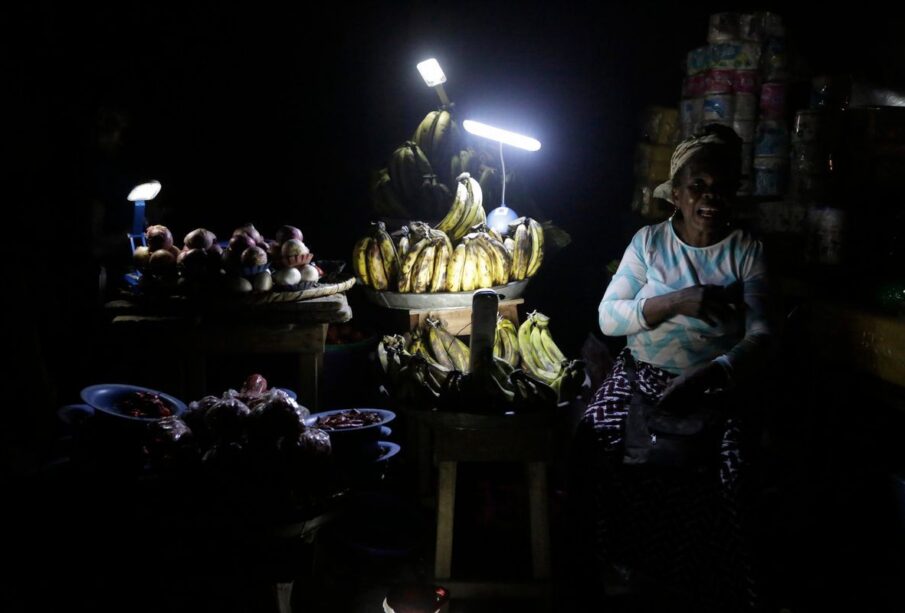
Electricity interruptions create costs that extend beyond inconvenience. Small businesses may lose refrigerated food, interrupt production or miss customer deadlines. Internet cafés, salons, restaurants, workshops and other electricity-dependent enterprises often face additional expenses when they operate generators.
For households, outages can disrupt studying, cooking, communications and access to essential appliances. Families that purchase fuel for generators must spend more on energy, leaving less money for food, education and other necessities.
Healthcare facilities face even greater risks when unreliable electricity affects refrigeration, medical equipment and essential services. Schools may also struggle to use computers and other learning technologies effectively.
Frequent outages can discourage investment because businesses need predictable operating conditions. Reliable electricity is therefore not merely a convenience; it is a foundation for productivity, employment and economic competitiveness.
What Could Fix Togo’s Electricity Problems?
1. Expand Domestic Power Generation
Togo should continue developing domestic generation while carefully assessing the cost and reliability of each option. Efficient thermal plants can provide dependable electricity, while solar and other renewable projects can reduce fuel dependence and diversify supply.
Projects should be supported by transparent procurement, realistic demand forecasts and proper maintenance plans. Building additional capacity without ensuring reliable operation would fail to solve the underlying problem.
2. Invest in Solar Energy and Battery Storage
Solar energy offers considerable potential in Togo because the country receives substantial sunlight throughout the year. Utility-scale solar farms, commercial rooftop installations and household solar systems could reduce pressure on the national grid.
Battery storage could make this electricity more useful after sunset and during periods of high demand. Mini-grids could also provide more dependable power to communities where extending the national grid is expensive.
However, these projects require suitable financing, technical expertise, maintenance arrangements and clear regulations. Solar energy should complement broader electricity reforms rather than serve as a substitute for them.
3. Modernise Transmission and Distribution Networks
Improving existing infrastructure may deliver benefits faster than developing entirely new power plants. Authorities should identify overloaded transformers, vulnerable transmission lines and areas with repeated outages.
Investments in stronger equipment, preventive maintenance, smart meters and remote monitoring could reduce technical losses and help electricity providers identify faults more quickly.
Utilities should also communicate planned maintenance schedules and outage information clearly. Better communication would allow households and businesses to prepare while reducing uncertainty.
4. Strengthen Regional Electricity Cooperation
Togo should continue working with regional partners to improve cross-border electricity trading and transmission capacity. Stronger coordination within the West African Power Pool could help participating countries share available electricity more efficiently.
However, regional cooperation works best when participating countries also strengthen their domestic energy systems. Togo should diversify its suppliers and avoid relying excessively on any single source.
5. Encourage Private Investment and Protect Consumers
Private investment could help finance power plants, solar installations, storage facilities and network upgrades. To attract investors, Togo needs clear regulations, predictable contracts and transparent project approvals.
At the same time, electricity reforms must consider low-income households and small businesses. Carefully targeted subsidies, lifeline tariffs or other support mechanisms could protect vulnerable consumers without placing excessive pressure on utility finances.
Regular publication of performance data would also improve accountability. Consumers should be able to understand why outages occur, how often they happen and what authorities are doing to address them.
Conclusion
Power cuts in Togo are not caused by a single problem. Dependence on imported electricity, limited generation capacity, infrastructure weaknesses, rising demand and financial constraints all contribute to the challenge.
Solving these problems will require coordinated action. Expanding domestic generation, investing in solar power and storage, modernising distribution networks and strengthening regional cooperation can improve reliability over time. Equally important, electricity providers must operate transparently and maintain the infrastructure they already have.
For Togo, dependable electricity would mean more productive businesses, better educational opportunities, stronger healthcare services and improved living standards. The country has opportunities to build a more resilient energy system, but turning those opportunities into reliable power will require consistent investment, sound planning and effective management.




Leave a reply




Africa’s Source for Breaking News | Entertainments | Health | Finance | Sports | Lifestyle and Business News.


