
Africa’s Most Beautiful National Parks
Africa’s Most Beautiful National Parks
Africa is home to some of the most breathtaking natural landscapes on Earth.
From endless savannahs and dramatic mountains to lush forests, wetlands, deserts, and sparkling lakes, the continent offers extraordinary environments for wildlife and adventure.
National parks play an important role in protecting these landscapes while giving visitors the opportunity to experience Africa’s natural beauty. They are home to elephants, lions, gorillas, giraffes, rhinos, hippos, zebras, and thousands of other species.
While beauty is subjective, several African national parks stand out for their scenery, wildlife, biodiversity, and unforgettable travel experiences.
1. Serengeti National Park, Tanzania
The Serengeti is one of Africa’s most famous national parks and one of the continent’s most spectacular wilderness destinations.
Located in northern Tanzania, the park is known for its vast grasslands, large wildlife populations, and the Great Migration. Every year, millions of wildebeest, accompanied by zebras and other grazing animals, move across the Serengeti ecosystem in search of fresh pasture and water.
The scenery is equally impressive. Golden plains stretch toward the horizon, while isolated kopjes provide dramatic rocky formations across the landscape.
For travellers looking for classic African safari scenery, the Serengeti is difficult to overlook.
2. Kruger National Park, South Africa
Kruger National Park combines remarkable biodiversity with an enormous and varied landscape.
Situated in northeastern South Africa, Kruger contains savannahs, woodlands, rivers, and rocky areas that support an impressive range of wildlife. Visitors can encounter the Big Five, lion, leopard, elephant, rhinoceros, and buffalo, as well as giraffes, wild dogs, hippos, antelopes, and numerous bird species.
One of Kruger’s greatest strengths is its variety. Different parts of the park offer different landscapes and wildlife experiences, making it possible to have a completely different experience from one visit to another.
3. Amboseli National Park, Kenya
Amboseli National Park is famous for one particularly spectacular view: elephants moving across open plains with Mount Kilimanjaro rising dramatically in the background.
Located in southern Kenya near the Tanzanian border, Amboseli features grasslands, wetlands, acacia woodland, and dry landscapes. The park’s elephant population is one of its major attractions.
The contrast between enormous elephants, wide-open plains, and Africa’s highest mountain creates some of the continent’s most recognizable safari scenes.
4. Bwindi Impenetrable National Park, Uganda
Not all of Africa’s beautiful national parks are dominated by open grasslands. Bwindi Impenetrable National Park in Uganda offers a completely different experience.
Its ancient, densely forested landscape is characterized by steep slopes, misty valleys, thick vegetation, and extraordinary biodiversity. The park is particularly famous for mountain gorillas.
Gorilla trekking allows visitors to experience this remarkable forest while observing gorillas in their natural environment. The combination of rainforest scenery and rare wildlife makes Bwindi one of Africa’s most distinctive protected areas.
5. Etosha National Park, Namibia
Etosha National Park demonstrates that beauty does not always mean lush greenery.
Located in northern Namibia, Etosha is famous for its enormous salt pan, dry landscapes, grasslands, and wildlife-rich waterholes. During the dry season, animals frequently gather around remaining water sources, creating excellent opportunities for wildlife viewing.
The vast, almost otherworldly appearance of the Etosha Pan gives the park a character unlike many other African safari destinations.
6. Chobe National Park, Botswana
Chobe National Park is one of Botswana’s most remarkable wildlife destinations.
The Chobe River is central to the park’s landscape and attracts large numbers of elephants and other animals, particularly during the dry season. Visitors can explore the area through traditional game drives as well as river-based safari experiences.
Watching elephants gather along the river while the African sun sets over the surrounding wilderness can be an unforgettable experience.
7. South Luangwa National Park, Zambia
South Luangwa National Park offers a combination of dramatic scenery, diverse wildlife, and relatively untouched wilderness.
The Luangwa River and its surrounding floodplains provide an important source of water for wildlife. The park is home to elephants, hippos, lions, leopards, giraffes, wild dogs, and many bird species.
South Luangwa is also particularly associated with walking safaris. Exploring the wilderness on foot provides a more intimate way to appreciate the sounds, smells, tracks, and smaller details of the African bush.
8. Volcanoes National Park, Rwanda
Volcanoes National Park is one of Rwanda’s most spectacular natural destinations.
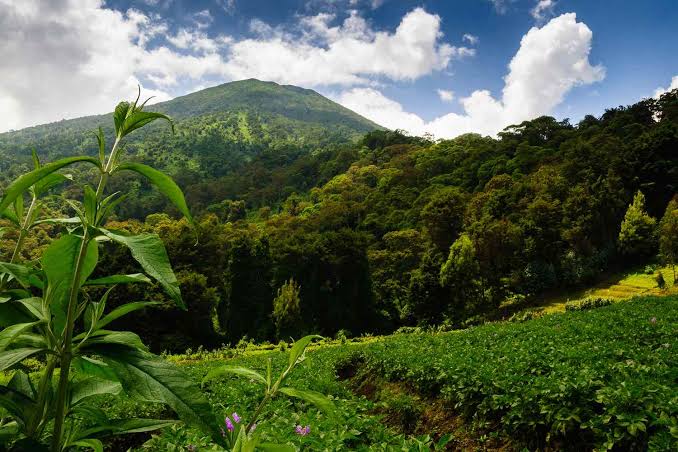
Located in the Virunga Mountains, the park features dramatic volcanic peaks, bamboo forests, and mist-covered slopes. It is internationally known for its mountain gorillas, which attract visitors from around the world.
The mountainous scenery gives the park a completely different appearance from the broad savannahs found elsewhere in Africa.
9. Tsavo National Parks, Kenya
Tsavo East and Tsavo West form one of Kenya’s most extensive protected wilderness areas.
The region is known for its striking red soil, volcanic landscapes, rocky hills, open plains, and diverse wildlife. Tsavo is particularly famous for its elephants, which often appear reddish because of the dust and soil covering their bodies.
Tsavo West also contains dramatic geological features, including volcanic landscapes and natural springs.
10. Virunga National Park, Democratic Republic of the Congo
Virunga National Park is one of Africa’s most geographically diverse protected areas.
Located in the eastern Democratic Republic of the Congo, the park contains forests, mountains, wetlands, savannahs, and volcanic landscapes. It is also part of the habitat of critically endangered mountain gorillas.
The combination of tropical forests and volcanic mountains makes Virunga visually extraordinary and ecologically important.
11. Table Mountain National Park, South Africa
Table Mountain National Park offers a different definition of an African national park.
Stretching across parts of Cape Town and the Cape Peninsula, the park combines mountains, cliffs, beaches, forests, and ocean views. Its most recognizable feature is Table Mountain, which overlooks the city and surrounding coastline.
Visitors can hike through scenic landscapes, explore coastal areas, and enjoy spectacular views of the Atlantic Ocean.
Its proximity to a major city also makes it one of the most accessible national parks on the continent.
12. Nyungwe National Park, Rwanda
Nyungwe National Park is one of Africa’s remarkable rainforest destinations.
The park contains ancient montane rainforest and supports a wide variety of primates, birds, plants, and other wildlife. Its famous canopy walkway provides visitors with elevated views across the forest.
For travellers interested in forests and biodiversity rather than traditional savannah safaris, Nyungwe offers a fascinating alternative.
Why Africa’s National Parks Matter
Africa’s national parks are more than tourist attractions. They are essential to wildlife conservation, habitat protection, scientific research, and local economies.
Tourism can provide income for communities living near protected areas and create incentives for conserving wildlife and natural habitats. When managed responsibly, tourism also helps visitors understand the importance of protecting Africa’s natural heritage.
However, conservation requires more than tourism alone. Governments, conservation organizations, local communities, and travellers all have roles to play in protecting these ecosystems.
Tips for Visiting African National Parks
Planning a national park trip requires some preparation. Consider the following:
- Choose the right season: Wildlife visibility and landscapes can change significantly between wet and dry seasons.
- Respect wildlife: Always follow your guide’s instructions and maintain a safe distance from animals.
- Support local communities: Choose responsible tour operators and locally owned accommodation where possible.
- Pack appropriately: Comfortable clothing, sun protection, binoculars, sturdy footwear, and insect protection can make your trip more enjoyable.
- Be patient: Wildlife sightings are unpredictable. Some of the best experiences happen when travellers slow down and observe quietly.
- Protect the environment: Avoid littering and follow park regulations.
Exploring Africa One National Park at a Time
Africa’s national parks showcase the extraordinary variety of the continent’s natural landscapes. From the sweeping plains of the Serengeti and the elephant-filled waterways of Chobe to the misty forests of Bwindi and the volcanic mountains of Virunga, every destination offers something different.
These parks remind us that Africa’s beauty extends far beyond its famous wildlife. Its mountains, forests, rivers, deserts, coastlines, and open plains are all part of a natural heritage worth experiencing and protecting.
For travellers seeking adventure, photography, wildlife encounters, or simply a deeper connection with nature, Africa’s national parks provide some of the world’s most memorable journeys.




Leave a reply







Africa’s Source for Breaking News | Entertainments | Health | Finance | Sports | Lifestyle and Business News.


