
Traditional African Beverages Worth Discovering
Traditional African Beverages Worth Discovering
Africa is a continent rich in culture, history, and culinary traditions.
While many people know about African dishes, traditional beverages often receive less attention despite their deep cultural significance. Across the continent, communities have created unique drinks using locally available fruits, grains, herbs, milk, and spices. These beverages not only refresh the body but also preserve traditions that have been passed down through generations.
Today, many of these drinks are gaining international recognition as travelers, chefs, and health-conscious consumers seek authentic and natural beverages. Whether served during festivals, family gatherings, or everyday meals, traditional African drinks tell stories about the people and places that created them.
Why Traditional African Beverages Matter
Traditional beverages are more than simple refreshments. They represent local knowledge, agricultural practices, and cultural identity. Many recipes have remained largely unchanged for centuries, while others have evolved with modern tastes.
These drinks often provide several benefits, including:
- Natural ingredients with minimal processing
- Rich sources of vitamins and minerals
- Unique regional flavors
- Cultural and historical significance
- Support for local farmers and producers
As interest in indigenous foods grows worldwide, African beverages are becoming an important part of conversations about sustainable and healthy eating.
1. Zobo (Nigeria)
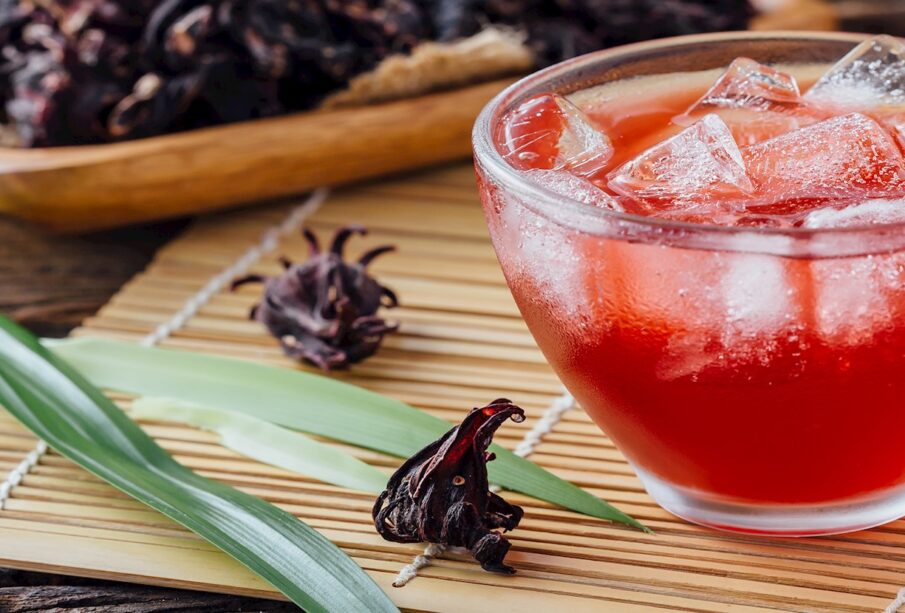
One of West Africa’s most popular drinks, Zobo is made from dried hibiscus petals. The petals are boiled with spices such as ginger, cloves, cinnamon, or pineapple before being sweetened to taste.
Zobo has a deep red color and a refreshing, slightly tart flavor. It is commonly served chilled during celebrations and family gatherings.
Many people also appreciate Zobo because hibiscus naturally contains antioxidants, making it a popular choice among health-conscious consumers.
2. Bissap (Senegal and West Africa)
Although very similar to Zobo, Bissap has become a signature beverage in Senegal and neighboring countries. It is prepared using hibiscus flowers, mint, sugar, and sometimes orange blossom water or vanilla.
The result is a fragrant drink that balances sweetness with floral and citrus notes. Bissap is often enjoyed alongside traditional West African meals and is widely available in restaurants and local markets.
3. Palm Wine
Palm wine is one of Africa’s oldest traditional beverages. It is collected directly from the sap of various palm trees and naturally ferments over time.
Fresh palm wine has a mildly sweet taste. However, as fermentation continues, the flavor gradually becomes more acidic and alcoholic.
Palm wine plays an important role in many ceremonies, including weddings, festivals, and traditional rites across several African countries.
4. Kunu (Northern Nigeria)
Kunu is a nutritious drink made from grains such as millet, sorghum, or maize. Ginger, cloves, pepper, and sweet potatoes are sometimes added to enhance both flavor and nutrition.
The drink has a creamy texture and a mildly sweet, spicy taste. It is widely consumed as breakfast, a midday refreshment, or a healthy alternative to commercial soft drinks.
Because it is grain-based, Kunu also provides energy and important nutrients.
5. Amasi (Southern Africa)
Amasi is a traditional fermented milk drink enjoyed in countries such as South Africa, Zimbabwe, and parts of Botswana.
It has a thick consistency similar to yogurt but offers a distinctive tangy flavor. Many households prepare it naturally by allowing fresh milk to ferment under controlled conditions.
Amasi is rich in probiotics, making it beneficial for digestive health while serving as an important source of protein and calcium.
6. Togwa (East Africa)
Popular in Tanzania and neighboring countries, Togwa is made from fermented maize, millet, sorghum, or cassava flour.
Depending on local traditions, the beverage may be lightly fermented or slightly sour. It is valued as both a refreshing drink and a source of nutrition, particularly during hot weather.
Some communities also prepare Togwa for pregnant women and children because of its nourishing qualities.
7. Baobab Juice
The baobab tree is often called the “Tree of Life,” and its fruit produces a refreshing beverage rich in nutrients.
Baobab juice has a naturally tangy flavor and is high in vitamin C, calcium, fiber, and antioxidants. In many African countries, the fruit pulp is mixed with water and sweetened before serving.
As global interest in superfoods continues to grow, baobab beverages are finding new markets around the world.
8. Ginger Beer (West Africa)
Unlike commercial alcoholic ginger beer, traditional African ginger beer is usually non-alcoholic. It combines fresh ginger, lemons, sugar, cloves, and water to create a bold and refreshing drink.
Its spicy flavor makes it especially popular during celebrations and festive occasions. Additionally, ginger is widely recognized for supporting digestion and helping relieve nausea.
9. Dawa (Kenya)
Dawa, which means “medicine” in Swahili, is a refreshing drink commonly associated with Kenya. Traditional versions combine honey, lemon, ginger, and warm water, although modern variations may include other ingredients.
Many people enjoy Dawa during cooler weather or whenever they want a soothing beverage. The combination of honey and ginger creates a pleasant balance of sweetness and warmth.
10. Tamarind Drink
Across many African countries, tamarind fruit is used to prepare a naturally sweet-and-sour beverage.
The fruit pulp is soaked in water before being strained and mixed with sugar or honey. Some recipes also include ginger or mint for additional flavor.
Tamarind drinks are particularly refreshing during warm seasons and are valued for their vitamin and mineral content.
The Growing Popularity of Traditional African Drinks
Traditional African beverages are experiencing renewed interest for several reasons. Consumers are increasingly seeking natural alternatives to sugary sodas, while tourism has introduced international visitors to authentic African flavors.
Furthermore, food entrepreneurs are modernizing traditional recipes without losing their cultural roots. As a result, bottled versions of beverages such as Zobo, Bissap, baobab juice, and ginger drinks now appear in supermarkets both within Africa and abroad.
This growing demand creates new opportunities for farmers, small businesses, and local beverage manufacturers.
Preserving Culinary Heritage
Traditional beverages are an important part of Africa’s cultural heritage. Every recipe reflects local agriculture, climate, and community traditions. By continuing to prepare and share these drinks, families help preserve knowledge that has survived for generations.
Educational programs, food festivals, and culinary tourism are also encouraging younger generations to appreciate these beverages and the stories behind them.
Conclusion
Traditional African beverages offer much more than refreshment. They showcase the continent’s incredible diversity, creativity, and rich culinary history. From the vibrant red color of Zobo and Bissap to the creamy texture of Amasi and the nourishing qualities of Togwa, each drink represents a unique cultural tradition.
As interest in authentic, healthy, and sustainable foods continues to grow, these beverages deserve greater recognition both within Africa and around the world. Exploring traditional African drinks is not only a journey through remarkable flavors but also an opportunity to experience the heritage and hospitality of the communities that have cherished them for centuries.




Leave a reply





Africa’s Source for Breaking News | Entertainments | Health | Finance | Sports | Lifestyle and Business News.


