
Renewable Energy Projects Transforming Africa
Renewable Energy Projects Transforming Africa
Africa is experiencing a remarkable energy transformation.
Across the continent, governments, private investors, and local communities are embracing renewable energy to address long-standing electricity shortages while supporting economic growth. Instead of relying solely on fossil fuels, many African countries are investing in solar, wind, hydroelectric, and geothermal power to build cleaner and more reliable energy systems.
Renewable energy projects are doing more than generating electricity. They are creating jobs, improving healthcare, supporting education, and expanding business opportunities in both urban and rural communities. As technology becomes more affordable and investment continues to grow, renewable energy is playing an increasingly important role in shaping Africa’s future.
This article explores the major renewable energy projects transforming Africa, their benefits, the challenges they face, and what the future holds for sustainable energy across the continent.
Why Renewable Energy Matters in Africa
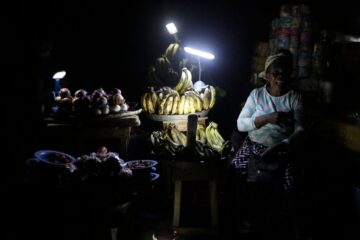
Millions of Africans still lack access to reliable electricity. In many rural areas, homes and businesses depend on expensive diesel generators or have no electricity at all. Renewable energy offers a practical solution because many parts of Africa receive abundant sunlight, experience consistent wind patterns, and possess significant hydro and geothermal resources.
Moreover, renewable energy helps reduce greenhouse gas emissions while improving energy security. It also lowers long-term electricity costs and reduces dependence on imported fuel.
Solar Energy Leading the Way
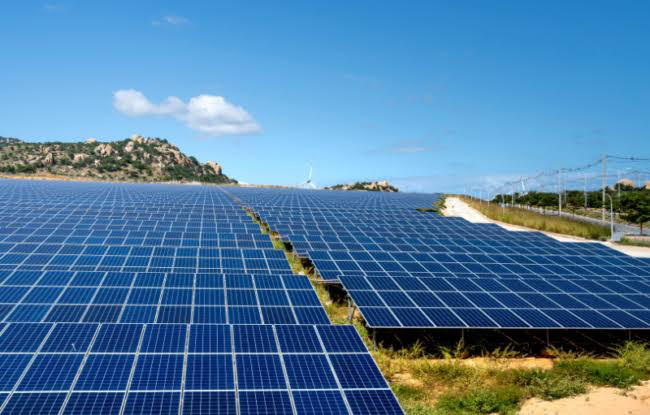
Solar energy has become one of Africa’s fastest-growing renewable energy sources. Thanks to the continent’s high solar radiation levels, many countries are investing heavily in both large-scale solar farms and small off-grid systems.
Large solar power plants now supply electricity to national grids, while smaller solar home systems provide affordable electricity to remote villages. These systems power lights, refrigerators, mobile phones, schools, and health clinics without requiring expensive grid expansion.
Countries such as Morocco, Egypt, South Africa, Kenya, and Nigeria continue to expand their solar energy capacity through public and private sector partnerships.
Wind Energy Expanding Across the Continent
Wind power has become another important source of clean electricity in Africa. Coastal regions, mountain ranges, and open plains provide excellent conditions for wind farms.
Large wind projects generate electricity for national grids while reducing dependence on fossil fuels. Additionally, wind energy creates employment opportunities during construction, maintenance, and equipment manufacturing.
Countries with strong wind development include:
- South Africa
- Kenya
- Morocco
- Egypt
As investment increases, more countries are expected to explore their wind energy potential.
Hydroelectric Power Supporting Economic Growth
Hydropower remains Africa’s largest renewable energy source. Rivers across the continent provide enormous opportunities for electricity generation.
Large hydroelectric dams supply power to millions of homes and industries. Besides producing electricity, many projects also support irrigation, flood control, and water management.
However, governments are increasingly balancing new hydro developments with environmental protection and community concerns to ensure sustainable growth.
Geothermal Energy Unlocking Natural Resources
East Africa possesses some of the world’s richest geothermal resources, particularly along the Great Rift Valley.
Unlike solar and wind energy, geothermal plants generate electricity continuously regardless of weather conditions. This reliability makes geothermal power an attractive option for countries seeking stable energy supplies.
Kenya has emerged as a global leader in geothermal energy, while Ethiopia, Djibouti, Tanzania, and Uganda continue exploring their geothermal potential.
Off-Grid Renewable Energy Changing Rural Communities
Not every community needs a connection to the national electricity grid. Off-grid renewable energy systems are bringing electricity directly to villages that previously had no reliable power.
These systems include:
- Solar home systems
- Mini-grids
- Solar-powered water pumps
- Solar-powered health clinics
- Community battery storage systems
As a result, children can study after sunset, healthcare improves, businesses operate longer hours, and farmers increase agricultural productivity.
Economic Benefits of Renewable Energy
Renewable energy projects contribute to economic development in several ways.
Job Creation
Construction, installation, maintenance, engineering, manufacturing, and technical services all require skilled workers. Consequently, renewable energy creates employment opportunities across multiple industries.
Business Growth
Reliable electricity enables businesses to increase productivity, reduce operating costs, and expand their services.
Foreign Investment
International investors continue funding renewable energy projects because Africa offers significant long-term growth opportunities.
Energy Independence
Countries that produce more renewable energy reduce their dependence on imported fuel, strengthening national energy security.
Environmental Benefits
Renewable energy delivers important environmental advantages.
These include:
- Lower carbon emissions
- Reduced air pollution
- Improved public health
- Less dependence on fossil fuels
- Better protection of natural resources
Furthermore, renewable energy supports global efforts to combat climate change while helping countries meet their sustainability goals.
Challenges Facing Renewable Energy Development
Despite impressive progress, several obstacles remain.
Limited Infrastructure
Many countries still need stronger electricity transmission and distribution networks.
Financing
Large renewable energy projects require significant upfront investment, which can be difficult for some governments and developers to secure.
Policy and Regulation
Stable government policies encourage long-term investment. Frequent policy changes, however, may discourage investors.
Technical Skills
The renewable energy sector requires engineers, technicians, and skilled workers. Expanding technical education will help meet growing demand.
Energy Storage
Solar and wind energy depend on weather conditions. Therefore, battery storage technology remains essential for ensuring a stable electricity supply.
Success Stories Across Africa
Several African countries demonstrate how renewable energy can transform national development.
Morocco has invested heavily in solar energy, becoming one of Africa’s renewable energy leaders.
Kenya continues expanding geothermal generation while increasing wind and solar investments.
South Africa’s renewable energy procurement programs have attracted billions of dollars in private investment.
Egypt has significantly increased its renewable energy capacity through major solar and wind projects.
Nigeria is expanding off-grid solar solutions to improve electricity access for underserved communities.
These examples show that renewable energy can support economic growth while improving quality of life.
The Future of Renewable Energy in Africa
The future looks increasingly promising. Falling technology costs, stronger international partnerships, and growing private investment are accelerating renewable energy adoption throughout the continent.
Artificial intelligence, smart electricity grids, battery storage, and electric vehicles will likely strengthen Africa’s clean energy transition over the coming decades.
Governments are also introducing policies that encourage renewable energy development, while international financial institutions continue supporting sustainable infrastructure projects.
As innovation continues, renewable energy will become an even greater driver of economic growth, environmental protection, and improved living standards.
Conclusion
Renewable energy projects are transforming Africa by expanding electricity access, creating jobs, supporting businesses, and protecting the environment. Solar, wind, hydroelectric, and geothermal power are helping countries build cleaner, more resilient energy systems that can meet growing demand.
Although challenges remain, continued investment, supportive policies, and technological innovation are creating new opportunities across the continent. As Africa harnesses its abundant renewable resources, it is laying the foundation for a more sustainable, prosperous, and energy-secure future.


Leave a reply




Africa’s Source for Breaking News | Entertainments | Health | Finance | Sports | Lifestyle and Business News.


