
The Role of Youth in Community Development
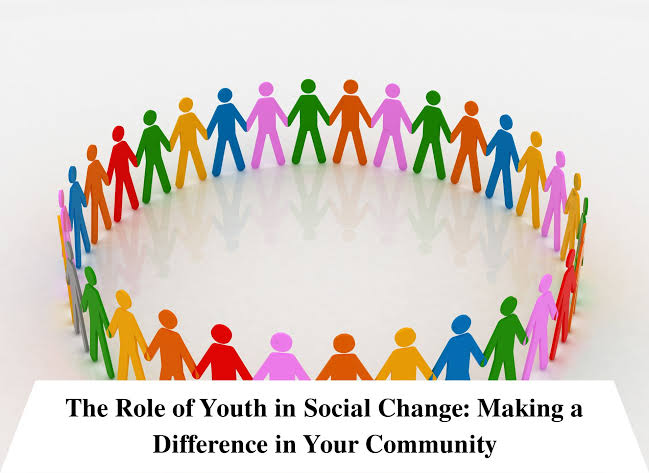
The Role of Youth in Community Development
Young people are among the most valuable resources any community can have.
With their energy, creativity, skills, and willingness to embrace new ideas, youth can play a major role in solving local problems and building stronger communities.
Across Africa, young people are already contributing to education, entrepreneurship, environmental protection, technology, healthcare awareness, sports, and social development. However, unlocking their full potential requires communities and institutions to provide opportunities for participation, leadership, and meaningful employment.
Why Youth Matter in Community Development
Youth make up a significant part of Africa’s population. Their involvement in community development can therefore have a direct effect on the future of towns, cities, and rural communities.
Young people often bring fresh perspectives to long-standing challenges. They may also be more comfortable with digital technology, social media, innovative business models, and new forms of communication.
When communities create opportunities for young people to participate, they can benefit from this combination of energy, creativity, and local knowledge.
1. Youth Can Promote Education
Education is one of the strongest foundations for community development, and young people can contribute in several ways.
Students, graduates, teachers, and youth organizations can organize tutoring programmes, reading clubs, mentorship initiatives, digital literacy workshops, and career guidance sessions.
A young person who helps another student understand a difficult subject or learn a valuable digital skill can create an impact that extends beyond the classroom.
Youth-led educational initiatives can be particularly useful in communities where schools and learning resources are limited.
2. Entrepreneurship Can Create Opportunities
Young entrepreneurs can contribute to community development by creating businesses that provide products, services, and employment.
From food businesses and fashion brands to technology startups, logistics companies, creative services, and agricultural ventures, youth entrepreneurship can help strengthen local economies.
Small businesses can also create opportunities for other young people. One successful enterprise may eventually employ designers, marketers, drivers, accountants, salespeople, technicians, or other workers.
Supporting youth entrepreneurship is therefore not only about helping individuals make money. It can also contribute to broader economic development.
3. Youth Can Drive Digital Innovation
Technology has changed how communities communicate, work, learn, and access services. Young people are often at the forefront of these changes.
They can use digital platforms to promote local businesses, organize community initiatives, share important information, create educational content, and develop solutions to everyday problems.
For example, a group of young developers could create a digital platform that connects local service providers with customers. Young creatives could also help small businesses improve their branding and online presence.
Digital skills can therefore become powerful tools for community development.
4. Young People Can Support Environmental Protection
Environmental challenges affect communities across Africa, including waste management problems, flooding, deforestation, pollution, and the loss of green spaces.
Youth groups can organize community clean-ups, recycling initiatives, tree-planting programmes, environmental awareness campaigns, and conservation activities.
Young people can also use social media to educate others about responsible waste disposal, energy conservation, and sustainable living.
These activities may appear small individually, but consistent community participation can produce meaningful results.
5. Youth Can Strengthen Community Health Awareness
Young people can contribute to healthier communities by supporting awareness campaigns and sharing reliable health information.
Youth organizations can organize activities around hygiene, nutrition, exercise, mental well-being, disease prevention, and healthy lifestyles.
They can also help communicate important information in ways that are accessible to other young people, particularly through social media and community events.
However, health campaigns should rely on accurate information and involve qualified professionals when necessary.
6. Youth Participation Can Improve Civic Engagement
Community development requires people who are willing to participate in decisions affecting their neighborhoods.
Young people can attend community meetings, volunteer for local initiatives, participate in development projects, and contribute ideas about issues affecting their communities.
Civic participation also helps young people understand how decisions are made and encourages them to become responsible community members.
When youth voices are included in community discussions, development programmes can better reflect the needs and aspirations of younger generations.
7. Sports and Creative Activities Can Build Stronger Communities
Sports, music, art, film, fashion, and other creative activities can bring people together.
Youth-led sports programmes can encourage teamwork, discipline, fitness, and positive social relationships. Creative programmes can give young people opportunities to express themselves while developing valuable skills.
Community centres, schools, youth organizations, and local businesses can support these activities by providing spaces, equipment, mentorship, and funding.
8. Youth Can Promote Social Inclusion
Young people can help create communities where individuals from different backgrounds have opportunities to participate.
Youth-led initiatives can bring together people through volunteering, education, sports, entrepreneurship, and cultural activities.
This can help reduce isolation and encourage cooperation among different groups within a community.
Challenges Limiting Youth Participation
Despite their potential, many young people face obstacles that make meaningful participation difficult.
These challenges can include unemployment, limited access to funding, inadequate training, lack of mentorship, poor infrastructure, and limited opportunities to participate in decision-making.
Some young people may also become discouraged when they feel that their contributions are ignored.
Addressing these challenges requires cooperation between governments, businesses, schools, community organizations, families, and young people themselves.
How Communities Can Empower Young People
Communities can take practical steps to encourage greater youth participation.
Create mentorship programmes
Experienced professionals and community leaders can guide young people as they develop careers, businesses, and leadership skills.
Provide skills training
Training in technology, entrepreneurship, agriculture, communication, financial literacy, and vocational skills can improve young people’s ability to contribute economically.
Support youth-led projects
Small grants, equipment, workspace, and partnerships can help promising youth initiatives become sustainable projects.
Give young people a voice
Youth should not only be invited to community events. They should also have opportunities to contribute ideas and participate in decisions.
Celebrate youth achievements
Recognizing successful young entrepreneurs, volunteers, innovators, creatives, and community leaders can encourage others to become involved.
The Importance of Youth Leadership
Youth participation becomes even more powerful when young people are given opportunities to lead.
Leadership helps young people develop communication, problem-solving, decision-making, teamwork, and organizational skills. These abilities can benefit both their personal careers and their communities.
Young leaders can also become role models for other members of their generation.
Building Communities With Young People
Community development should not treat young people simply as beneficiaries of development programmes. They should also be viewed as partners and contributors.
Their ideas, skills, energy, and understanding of modern challenges can help communities discover new solutions to old problems.
At the same time, young people need support. Giving them responsibility without providing resources, mentorship, training, or opportunities can limit their ability to succeed.
The strongest approach is one that combines youth initiative with meaningful support from the wider community.
Conclusion
The role of youth in community development is too important to overlook. Young people can contribute through entrepreneurship, education, technology, environmental protection, healthcare awareness, civic participation, sports, and creative activities.
Africa’s young population represents enormous potential. By creating opportunities for young people to learn, lead, innovate, and participate, communities can build stronger economies and more resilient societies.
The future of community development will not simply be shaped by young people when they become older. Young people are already capable of shaping their communities today.



Leave a reply







Africa’s Source for Breaking News | Entertainments | Health | Finance | Sports | Lifestyle and Business News.


