
Exploring Africa’s Desert Landscapes
Exploring Africa's Desert Landscapes
Exploring Africa’s Desert Landscapes: Beauty, Wildlife, and Timeless Adventure
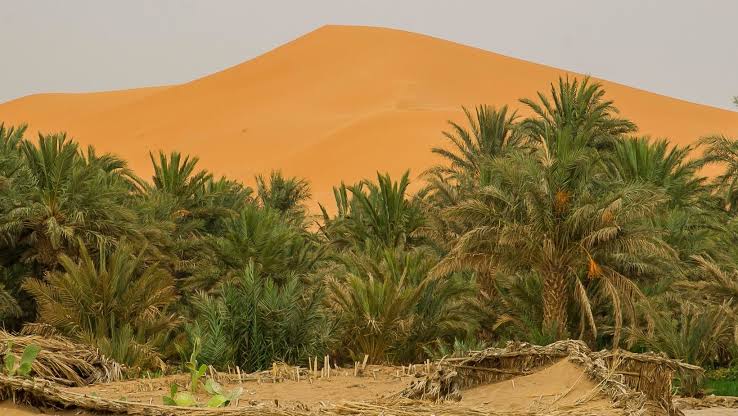
When people think of Africa, they often picture lush rainforests, vast savannas, and magnificent wildlife. However, deserts cover nearly one-third of the continent and reveal another side of Africa’s extraordinary beauty. These vast, sun-drenched landscapes offer towering sand dunes, rocky mountains, ancient civilizations, rare wildlife, and some of the clearest night skies on Earth.
From the endless golden dunes of the Sahara to the striking red sands of the Namib, Africa’s deserts are far from empty. Instead, they are living ecosystems filled with fascinating stories, resilient communities, and unforgettable adventures.
Whether you’re a nature enthusiast, photographer, or traveler seeking unique destinations, Africa’s deserts deserve a place on your travel list.
The Major Desert Regions of Africa
Africa is home to several remarkable deserts, each with its own character and natural wonders.
The Sahara Desert
The Sahara is the world’s largest hot desert, stretching across approximately 9 million square kilometers. It spans 11 countries, including Algeria, Egypt, Libya, Chad, Niger, Mali, Sudan, Tunisia, Morocco, Mauritania, and Western Sahara.
Contrary to popular belief, the Sahara is not entirely covered by sand. In fact, much of it consists of rocky plateaus, gravel plains, mountain ranges, and dry valleys. Nevertheless, visitors still encounter spectacular sand seas with towering dunes that seem to stretch endlessly toward the horizon.
The Sahara has supported human life for thousands of years. Ancient trade routes connected North Africa with sub-Saharan Africa, while caravan merchants transported gold, salt, and spices across its challenging terrain.
The Namib Desert
Located along the Atlantic coast of Namibia and extending into Angola and South Africa, the Namib Desert is considered one of the oldest deserts in the world. Scientists estimate it has existed for more than 55 million years.
Its iconic red sand dunes, especially around Sossusvlei, create one of Africa’s most photographed landscapes. Some dunes rise over 300 meters, making them among the tallest on Earth.
Morning fog drifting inland from the Atlantic Ocean provides essential moisture, allowing remarkable plants and animals to survive despite the harsh conditions.
The Kalahari Desert
Although technically a semi-desert, the Kalahari stretches across Botswana, Namibia, and South Africa. Unlike the Sahara, the Kalahari receives seasonal rainfall that supports grasses, shrubs, and scattered trees.
This landscape supports abundant wildlife, including lions, cheetahs, meerkats, antelope, and numerous bird species. The region is also home to Indigenous San communities, whose knowledge of desert survival has been passed down for generations.
The Danakil Depression
Situated in northeastern Ethiopia and extending into Eritrea and Djibouti, the Danakil Depression is among the hottest and lowest places on Earth.
The area features colorful mineral formations, salt flats, volcanic landscapes, and geothermal activity that create an almost otherworldly environment. Although conditions are extreme, researchers and adventurous travelers continue to visit this remarkable region.
Incredible Wildlife in Africa’s Deserts
Despite the harsh climate, African deserts support an impressive variety of wildlife that has adapted to survive with limited water.
Some notable desert animals include:
- Fennec foxes with large ears that help regulate body temperature.
- Addax antelope, which can survive for long periods without drinking water.
- Dromedary camels, perfectly adapted for long journeys across hot deserts.
- Desert elephants found in parts of Namibia.
- Meerkats that thrive in the Kalahari.
- Oryx, known for enduring extreme temperatures.
- Various reptiles, insects, and migratory birds.
Many desert animals become active during the cooler evenings or early mornings to avoid the intense daytime heat. Their specialized adaptations demonstrate nature’s remarkable ability to thrive under difficult conditions.
Plants That Flourish in Harsh Conditions
Africa’s deserts also support unique plant life specially adapted to conserve water.
Common desert plants include:
- Acacia trees
- Aloe species
- Euphorbia plants
- Desert grasses
- Camel thorn trees
- Welwitschia mirabilis, a remarkable plant found only in the Namib Desert that can live for more than 1,000 years.
These plants have evolved deep root systems, waxy leaves, and efficient water storage methods that enable survival during prolonged droughts.
Cultural Heritage of Desert Communities
Africa’s deserts are rich in cultural traditions that have endured for centuries. The Tuareg people of the Sahara are renowned for their blue robes, camel caravans, and extensive knowledge of desert navigation. For generations, they have played an important role in trans-Saharan trade.
Similarly, the San people of the Kalahari possess remarkable tracking skills and a deep understanding of local wildlife and medicinal plants. Their traditions provide valuable insights into sustainable living in harsh environments.
Across North Africa, ancient oases continue to support farming communities where dates, olives, vegetables, and grains are cultivated using carefully managed water sources.
Popular Activities for Desert Travelers
Africa’s desert destinations offer experiences unlike anywhere else in the world.
Popular activities include:
- Camel trekking across sand dunes.
- 4×4 desert safaris.
- Sandboarding on towering dunes.
- Stargazing beneath exceptionally clear skies.
- Wildlife photography.
- Visiting ancient rock art sites.
- Exploring desert canyons and mountains.
- Camping under the stars.
- Cultural tours with local communities.
Each activity allows visitors to appreciate both the beauty and resilience of these extraordinary landscapes.
Conservation Challenges
Although deserts may appear untouched, they face increasing environmental pressures.
Several challenges threaten these fragile ecosystems, including:
- Climate change.
- Desertification.
- Unsustainable mining.
- Overgrazing.
- Water scarcity.
- Habitat loss.
- Increasing tourism without proper environmental management.
Conservation organizations, governments, and local communities are working together to protect wildlife, preserve cultural heritage, and promote sustainable tourism practices that benefit both people and nature.
Tips for Visiting Africa’s Deserts
Careful preparation makes any desert journey safer and more enjoyable.
Before traveling:
- Carry plenty of drinking water.
- Wear lightweight, breathable clothing.
- Protect yourself with sunscreen, sunglasses, and a wide-brimmed hat.
- Travel with experienced local guides whenever possible.
- Respect wildlife and protected areas.
- Avoid disturbing cultural heritage sites.
- Visit during cooler seasons when temperatures are more comfortable.
- Pack warm clothing for chilly desert nights.
Proper planning helps visitors experience the desert safely while minimizing their environmental impact.
Why Africa’s Deserts Matter
Africa’s deserts are far more than endless stretches of sand. They preserve ancient histories, sustain remarkable wildlife, support resilient communities, and inspire scientific discovery. They also play an important role in regulating regional climates and protecting unique ecosystems found nowhere else on Earth.
As sustainable tourism continues to grow, these extraordinary landscapes offer opportunities to appreciate nature while supporting conservation and local livelihoods. Every journey into Africa’s deserts reveals that life can flourish even in the most challenging environments.
Conclusion
Exploring Africa’s desert landscapes is an unforgettable experience filled with breathtaking scenery, fascinating cultures, rare wildlife, and timeless adventure. Whether wandering through the towering dunes of the Namib, discovering the ancient trade routes of the Sahara, or observing wildlife in the Kalahari, travelers gain a deeper appreciation for the resilience and diversity of Africa’s natural heritage.
These remarkable deserts remind us that beauty often exists where we least expect it. By traveling responsibly and supporting conservation efforts, visitors can help ensure that Africa’s extraordinary desert landscapes continue to inspire future generations.




Leave a reply




Africa’s Source for Breaking News | Entertainments | Health | Finance | Sports | Lifestyle and Business News.


