
How Social Media Influences Self-Esteem
How Social Media Influences Self-Esteem
Social media has become an essential part of modern life.
Platforms like Instagram, TikTok, Facebook, X, LinkedIn, and Snapchat allow people to stay connected, learn new skills, share experiences, and build communities across the globe. For millions of Africans, social media is also a gateway to entrepreneurship, education, entertainment, and career opportunities.
However, while these platforms offer numerous benefits, they also have a profound impact on how people perceive themselves. Likes, comments, followers, viral trends, and carefully curated content can shape self-worth in ways many users don’t immediately recognize.
Understanding how social media influences self-esteem is crucial for developing a healthier relationship with technology and maintaining emotional well-being.
Understanding Self-Esteem
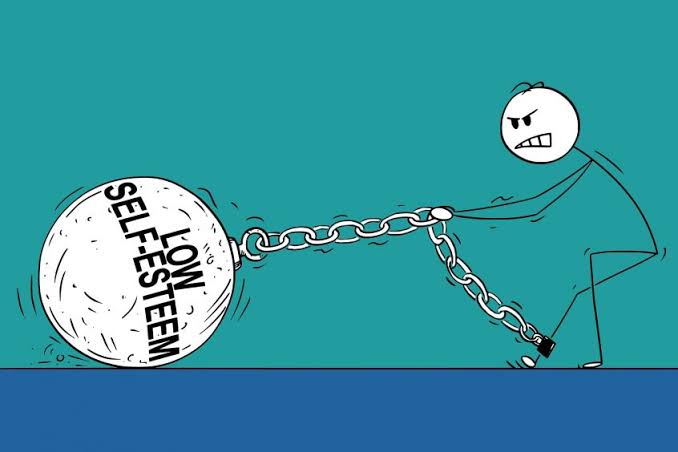
Self-esteem refers to the way individuals value and perceive themselves. It affects confidence, decision-making, relationships, resilience, and overall mental health.
Healthy self-esteem allows people to:
- Accept their strengths and weaknesses
- Handle criticism constructively
- Feel worthy regardless of external approval
- Take healthy risks
- Build meaningful relationships
Low self-esteem, on the other hand, often leads to:
- Constant self-doubt
- Fear of rejection
- Anxiety
- Depression
- Excessive comparison with others
Social media can either strengthen or weaken these feelings depending on how it is used.
The Positive Influence of Social Media on Self-Esteem
Contrary to popular belief, social media is not inherently harmful. Used intentionally, it can improve confidence and foster personal growth.
1. Building Supportive Communities
Many people find encouragement through online groups centered around shared interests, careers, hobbies, health challenges, or personal experiences.
Supportive communities remind individuals that they are not alone and can boost confidence through shared encouragement.
2. Learning New Skills
Social media has become a free classroom where people learn:
- Graphic design
- Photography
- Cooking
- Programming
- Business strategies
- Languages
- Personal development
Learning new skills often improves self-confidence because people gain competence and discover new opportunities.
3. Celebrating Personal Achievements
Posting achievements such as graduating, launching a business, completing a fitness goal, or publishing creative work allows people to celebrate milestones with family and friends.
Positive feedback can reinforce motivation and encourage continued growth.
4. Representation and Identity
Years ago, many people struggled to find role models who looked like them or shared similar backgrounds.
Today, social media has amplified voices from diverse cultures, including creators across Africa who inspire others through authentic storytelling, entrepreneurship, education, fashion, technology, and art.
Seeing relatable success stories helps many individuals believe in their own potential.
The Negative Influence of Social Media on Self-Esteem
Despite its benefits, excessive or unhealthy social media use can significantly affect self-esteem.
1. Constant Comparison
One of the biggest dangers is comparing everyday life to someone else’s highlight reel.
People often post:
- Luxury vacations
- Expensive purchases
- Perfect relationships
- Career milestones
- Edited photos
Rarely do they share failures, financial struggles, loneliness, or difficult moments.
Continuous comparison can make ordinary lives feel inadequate.
2. Unrealistic Beauty Standards
Filters, editing apps, cosmetic enhancements, and professional photography create unrealistic expectations.
Many users begin believing they should have:
- Perfect skin
- Flawless bodies
- Expensive lifestyles
- Designer wardrobes
- Ideal relationships
These unrealistic standards can reduce confidence, particularly among teenagers and young adults.
3. Dependence on Validation
Receiving likes and positive comments activates feelings of reward.
Over time, some people begin measuring their worth through:
- Number of followers
- Post engagement
- Shares
- Comments
- Views
When engagement drops, feelings of rejection or inadequacy may emerge, even if nothing about the person’s actual value has changed.
4. Fear of Missing Out (FOMO)
Seeing others constantly attending events, traveling, getting married, buying homes, or achieving success can create the impression that everyone else is moving ahead.
This “Fear of Missing Out” often leads to:
- Dissatisfaction
- Anxiety
- Restlessness
- Lower life satisfaction
In reality, social media rarely reflects the complete picture.
5. Cyberbullying
Negative comments, online harassment, body shaming, and public criticism can deeply damage self-esteem.
Young people are especially vulnerable because online attacks can spread rapidly and remain visible for long periods.
Cyberbullying has been linked to increased risks of anxiety, depression, and social withdrawal.
6. Addiction to Online Approval
Some individuals repeatedly check notifications throughout the day.
Over time, self-worth becomes tied to digital responses rather than personal values and real-world relationships.
This cycle can increase stress and emotional dependence.
Why Young People Are Especially Vulnerable
Teenagers and young adults are still developing their identity.
Their brains are naturally more sensitive to:
- Social acceptance
- Peer approval
- Rejection
- Belonging
When social media becomes the primary source of validation, self-esteem may fluctuate dramatically based on online interactions.
This is why digital literacy and emotional resilience are increasingly important.
Signs That Social Media Is Affecting Your Self-Esteem
You may notice warning signs if you:
- Compare yourself to others daily
- Feel unhappy after scrolling
- Delete posts with few likes
- Constantly seek online approval
- Feel anxious without your phone
- Believe everyone else’s life is better
- Lose confidence in your appearance
- Spend hours editing photos before posting
Recognizing these patterns is the first step toward healthier habits.
How to Protect Your Self-Esteem Online
Curate Your Feed
Unfollow accounts that consistently make you feel inadequate.
Instead, follow pages that educate, motivate, inspire, or genuinely entertain you.
Limit Screen Time
Setting daily limits reduces endless scrolling and creates more time for meaningful offline experiences.
Even reducing usage by one hour a day can improve emotional well-being.
Remember That Social Media Isn’t Reality
People usually post their best moments.
Behind every polished photo may be ordinary struggles that remain unseen.
Avoid assuming someone else’s online life reflects their complete reality.
Focus on Personal Growth
Measure success against your own progress rather than someone else’s timeline.
Celebrate:
- New skills
- Better habits
- Career growth
- Improved relationships
- Small daily achievements
Personal progress builds lasting confidence.
Build Real-Life Relationships
Strong friendships, supportive family members, mentors, and community groups provide encouragement that online interactions cannot fully replace.
Authentic human connection remains one of the strongest foundations of healthy self-esteem.
Practice Self-Compassion
Treat yourself with the same kindness you would offer a close friend.
Accept mistakes as opportunities to learn rather than evidence of failure.
Self-compassion helps reduce the impact of negative comparisons.
Helping Children and Teenagers Develop Healthy Self-Esteem
Parents, teachers, and caregivers play an important role by:
- Encouraging open conversations about social media
- Teaching critical thinking about online content
- Promoting offline hobbies and sports
- Praising effort rather than appearance
- Setting healthy digital boundaries
- Modeling balanced technology use
These habits help young people develop confidence rooted in character rather than online popularity.
Creating a Healthier Digital Culture
Social media companies, influencers, educators, and users all share responsibility for building healthier online environments.
This includes:
- Promoting authenticity
- Discouraging cyberbullying
- Celebrating diversity
- Sharing realistic experiences
- Supporting mental health awareness
When online spaces encourage genuine connection instead of constant comparison, everyone benefits.
Conclusion
Social media is a powerful tool that can either strengthen or weaken self-esteem. It connects people, creates opportunities, inspires learning, and builds communities. At the same time, excessive comparison, unrealistic expectations, and dependence on online validation can negatively affect confidence and emotional well-being.
The key is not to abandon social media but to use it intentionally. By focusing on personal growth, limiting unhealthy comparisons, cultivating supportive relationships, and remembering that online content often represents only the highlights of people’s lives, individuals can enjoy the benefits of social media without allowing it to define their self-worth.
Ultimately, genuine self-esteem comes from knowing your values, embracing your uniqueness, and recognizing that your worth cannot be measured by likes, followers, or viral moments.



Leave a reply





Africa’s Source for Breaking News | Entertainments | Health | Finance | Sports | Lifestyle and Business News.


