
How Local Communities Protect Wildlife
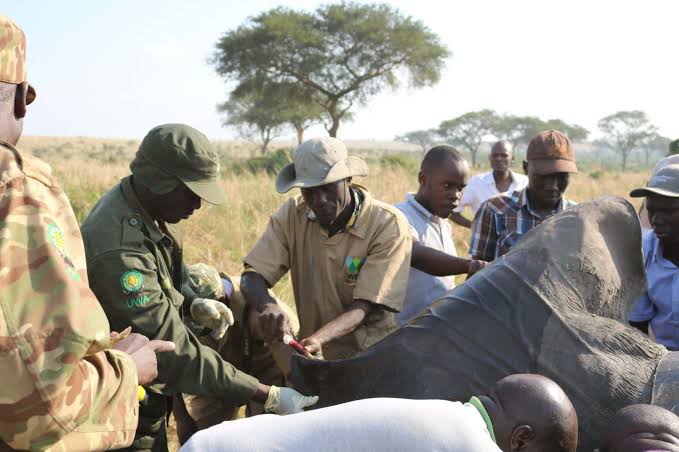
How Local Communities Protect Wildlife
Wildlife is one of Africa’s greatest treasures.
From elephants roaming the savannahs to mountain gorillas hidden in misty forests and sea turtles nesting along coastal beaches, the continent is home to some of the world’s most remarkable species. However, these animals face growing threats from habitat destruction, climate change, illegal hunting, pollution, and rapid urban expansion.
While governments, conservation organizations, and international partners play important roles in protecting wildlife, one of the most powerful forces in conservation is often overlooked: local communities. People who live closest to forests, wetlands, rivers, mountains, and wildlife reserves are increasingly becoming the first line of defense for nature.
Across Africa and beyond, community-led conservation initiatives are proving that protecting wildlife and improving local livelihoods can go hand in hand. When communities benefit from healthy ecosystems, they have a strong incentive to preserve them for future generations.
Why Local Communities Matter in Wildlife Conservation
Local communities interact with wildlife every day. Farmers, fishermen, pastoralists, and indigenous groups understand the natural environment better than almost anyone else because their lives depend on it.
Their knowledge includes:
- Animal migration routes
- Seasonal weather patterns
- Traditional medicinal plants
- Forest management practices
- Sustainable harvesting methods
- Local biodiversity
This knowledge, passed down through generations, complements modern scientific research and strengthens conservation efforts.
Community Conservancies: A Growing Success
One of the most successful conservation models is the community conservancy.
Instead of wildlife protection being managed solely by governments, local residents collectively manage natural areas while benefiting from tourism, conservation funding, and sustainable businesses.
Community conservancies often:
- Protect endangered species
- Prevent illegal hunting
- Restore damaged habitats
- Create local employment
- Promote eco-tourism
- Reduce human-wildlife conflict
Countries such as Kenya, Namibia, Botswana, and Tanzania have demonstrated that community-managed conservation can significantly improve wildlife populations while boosting rural incomes.
Fighting Poaching Through Community Participation
Illegal wildlife trade remains one of the biggest threats to biodiversity.
Local communities help combat poaching by:
- Reporting suspicious activities
- Serving as community wildlife scouts
- Participating in anti-poaching patrols
- Monitoring animal populations
- Educating neighbors about wildlife laws
Because local residents know their surroundings well, they often detect illegal activities much earlier than outside authorities.
Many former poachers have also become wildlife protectors after receiving alternative sources of income through conservation projects.
Eco-Tourism Creates Economic Opportunities
Wildlife conservation becomes more sustainable when communities see direct economic benefits.
Eco-tourism creates jobs in:
- Tour guiding
- Hospitality
- Transportation
- Handicraft production
- Cultural performances
- Local food businesses
When tourists visit national parks and community conservancies, revenue often supports schools, health centers, clean water projects, and local infrastructure.
Communities therefore have a financial incentive to preserve wildlife rather than exploit it.
Protecting Habitats Through Sustainable Land Management
Animals cannot survive without healthy habitats.
Many communities now participate in:
- Tree planting campaigns
- Forest restoration
- Wetland conservation
- Controlled grazing
- Sustainable farming
- River protection
These activities improve biodiversity while reducing soil erosion, protecting water supplies, and increasing agricultural productivity.
Healthy ecosystems benefit both wildlife and people.
Indigenous Knowledge Supports Conservation
Indigenous communities have protected ecosystems for centuries through cultural traditions and customary laws.
Examples include:
- Sacred forests where hunting is prohibited
- Seasonal hunting restrictions
- Community fishing regulations
- Traditional fire management
- Protection of important water sources
Many conservation organizations now recognize that indigenous knowledge provides valuable insights into ecosystem management.
Combining traditional practices with scientific research often produces better conservation outcomes.
Reducing Human-Wildlife Conflict
As human populations grow, interactions between people and wildlife become more frequent.
Communities use innovative solutions such as:
- Beehive fences to discourage elephants
- Predator-proof livestock enclosures
- Early-warning systems for animal movement
- Community compensation programs
- Wildlife corridors that allow safe animal migration
These strategies reduce losses for farmers while protecting wildlife from retaliation.
Community Education Builds Future Conservation Leaders
Education plays a vital role in wildlife protection.
Many community conservation programs organize:
- School wildlife clubs
- Nature walks
- Environmental competitions
- Conservation workshops
- Youth ranger programs
Children who learn about wildlife conservation often become lifelong environmental stewards.
Educated communities are also more likely to support conservation policies and sustainable resource management.
Women Are Leading Wildlife Conservation
Women play increasingly important roles in protecting wildlife.
Across many African communities, women lead initiatives involving:
- Forest restoration
- Sustainable agriculture
- Community tourism
- Environmental education
- Wildlife monitoring
- Small conservation businesses
Empowering women strengthens conservation because they often influence household decisions regarding natural resource use.
Youth Participation Is Growing
Young people bring fresh ideas and technology into conservation.
Many youth groups now use:
- Smartphones for wildlife monitoring
- GPS mapping
- Drone technology
- Social media awareness campaigns
- Mobile reporting applications
Youth-led organizations also organize cleanup campaigns, tree planting events, and wildlife education programs.
Their involvement ensures conservation efforts remain sustainable for future generations.
Sustainable Livelihoods Reduce Pressure on Wildlife
One reason illegal hunting occurs is poverty.
Community conservation projects help create alternative income sources such as:
- Beekeeping
- Fish farming
- Poultry production
- Organic farming
- Handicrafts
- Eco-lodges
- Sustainable charcoal alternatives
When families have stable incomes, dependence on illegal wildlife exploitation often decreases significantly.
Challenges Facing Community Conservation
Despite many successes, local communities still face several challenges.
These include:
- Limited funding
- Climate change
- Population growth
- Weak law enforcement
- Land-use conflicts
- Illegal mining
- Unsustainable agriculture
Addressing these issues requires continued collaboration between governments, communities, conservation organizations, and the private sector.
Success Stories Across Africa
Many African communities have demonstrated remarkable conservation achievements.
Examples include:
- Increased elephant populations through community patrols.
- Rhino protection supported by local wildlife scouts.
- Sea turtle nesting beaches safeguarded by coastal villages.
- Forest restoration projects improving habitats for endangered primates.
- Community-managed wetlands supporting bird conservation and fisheries.
These successes show that conservation works best when local people are active partners rather than passive observers.
How Individuals Can Support Community Wildlife Conservation
Everyone can contribute to protecting wildlife by:
- Supporting responsible eco-tourism.
- Buying sustainably produced local products.
- Avoiding products made from endangered wildlife.
- Volunteering for conservation projects.
- Donating to reputable conservation organizations.
- Promoting environmental education.
- Respecting protected areas and wildlife laws.
Even small actions help create long-term positive impacts.
The Future of Wildlife Conservation
The future of wildlife depends not only on protected parks but also on the people living alongside nature every day.
As communities gain greater ownership of conservation efforts, wildlife protection becomes more effective, inclusive, and sustainable. Governments and conservation organizations increasingly recognize that successful conservation is built on partnerships with local people.
By combining traditional knowledge, modern science, sustainable livelihoods, and environmental education, communities are helping ensure that Africa’s extraordinary wildlife continues to thrive for generations to come.
Conclusion
Local communities are transforming wildlife conservation through dedication, innovation, and stewardship. Their role extends far beyond protecting animals, they safeguard ecosystems, preserve cultural heritage, and promote sustainable development.
When communities have the knowledge, resources, and opportunities to benefit from healthy environments, conservation becomes a shared responsibility rather than an external obligation. Investing in community-led conservation is therefore one of the most effective ways to secure the future of wildlife while improving the well-being of the people who call these landscapes home.




Leave a reply







Africa’s Source for Breaking News | Entertainments | Health | Finance | Sports | Lifestyle and Business News.


