
Indigenous Agricultural Practices That Still Work Today
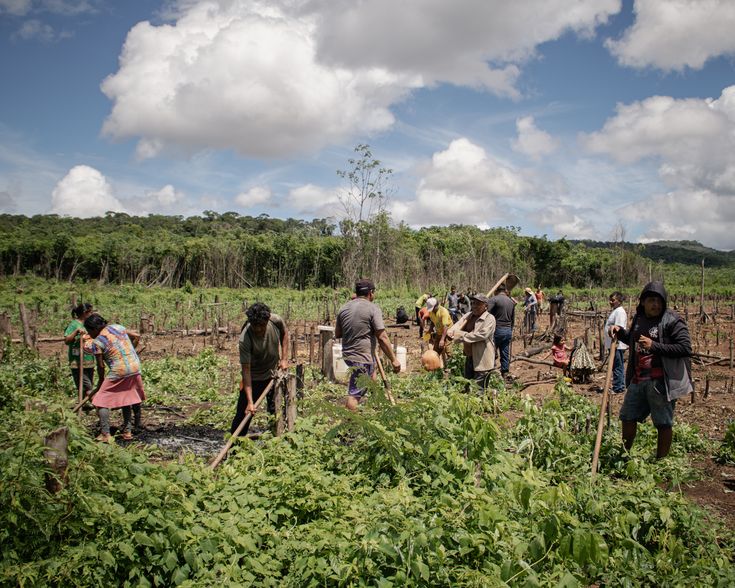
Indigenous Agricultural Practices That Still Work Today
Agriculture has changed significantly over the years.
Modern farmers now use tractors, chemical fertilisers, improved seeds and advanced irrigation systems to increase production. However, some of the most effective farming methods existed long before these technologies arrived. Indigenous agricultural practices, developed through generations of observation and experience, continue to offer valuable solutions to modern farming challenges.
Across Africa, farmers have relied on traditional knowledge to protect soil fertility, conserve water, manage pests and grow food in different climates. In Nigeria, for example, smallholder farmers still use methods passed down through families to cultivate yams, cassava, maize, vegetables and other important crops. These practices remain relevant because they often rely on locally available resources and support environmental sustainability.
As climate change, rising farming costs and food insecurity threaten agricultural production, indigenous knowledge deserves renewed attention. Combining proven traditional methods with appropriate modern technology can help farmers build productive, resilient and sustainable food systems.
1. Crop Rotation and Mixed Cropping
Crop rotation is one of the oldest agricultural practices still used today. It involves planting different crops on the same piece of land across successive growing seasons. Instead of repeatedly cultivating maize or another crop, farmers alternate crops to improve soil conditions and reduce the spread of certain pests and diseases.
For instance, a farmer may plant maize during one season and follow it with cowpeas. Legumes such as cowpeas and beans can contribute nitrogen to the soil through their relationship with beneficial bacteria. The benefits depend on the crop, soil conditions and how farmers manage the plants after harvesting.
Mixed cropping offers another practical approach. Farmers grow two or more crops together on the same farmland. In parts of Nigeria, maize may grow alongside cassava, yam or beans. When farmers select compatible crops and arrange them properly, they can make better use of sunlight, soil nutrients and available space.
These practices can reduce the risks associated with depending on a single crop. If one crop performs poorly, another may still provide food or income. Farmers must nevertheless consider competition for water, nutrients and sunlight when choosing combinations.
2. Using Organic Materials to Improve Soil Fertility
Long before manufactured fertilisers became widely available, farmers improved their fields with animal manure, compost, crop residues and other organic materials. These methods remain useful because healthy soil is essential for reliable agricultural production.
Animal manure supplies nutrients, while compost adds organic matter that improves soil structure. Organic matter can help sandy soils retain more water and support beneficial soil organisms. Returning suitable crop residues to the land also helps recycle nutrients that would otherwise be lost.
In many Nigerian farming communities, households keep poultry, goats, sheep or cattle whose manure can support crop production. Farmers can also compost vegetable waste, dry leaves and selected plant materials rather than discard them.
However, organic fertilisers require proper management. Fresh manure may damage crops, introduce pathogens or contaminate produce if handled incorrectly. Farmers should compost manure appropriately and avoid applying unsuitable materials to fields. Combining organic matter with soil-test-guided fertiliser use can improve nutrient management.
3. Traditional Water Conservation Techniques
Water shortages can threaten harvests, especially in areas experiencing irregular rainfall. Indigenous farmers developed several techniques to conserve moisture and manage water according to local conditions.
Mulching is one example. Farmers cover the soil around crops with dry grass, leaves or suitable crop residues. This reduces direct exposure to sunlight, slows moisture loss and can suppress weeds. As organic mulch decomposes, it also contributes organic matter to the soil.
In drier regions, farmers may use planting pits, small basins or ridges to capture rainfall and direct water towards crops. These techniques can improve water availability when designed for the local soil, slope and rainfall pattern.
Terracing is another traditional approach used on sloping land. By creating level or stepped areas, farmers slow water movement and reduce soil erosion. Properly maintained terraces can protect valuable topsoil while improving the use of rainfall.
Although these methods require labour and careful planning, they can reduce dependence on expensive irrigation equipment. Their effectiveness depends on local conditions, so farmers should select techniques suited to their environment.
4. Natural Pest Management
Indigenous farming systems often relied on observation, crop diversity and locally available materials to manage pests. Some of these approaches remain useful as part of integrated pest management, which combines different methods to control pests while limiting environmental damage.
Crop rotation can interrupt the life cycles of certain crop-specific pests. Intercropping may make it harder for some pests to locate their preferred host plants. Removing heavily infested plant material and maintaining field hygiene can also reduce pest pressure.
Farmers may use locally available botanical materials in pest-control preparations. However, natural does not automatically mean safe. Some plants are toxic to humans, livestock or beneficial insects. Homemade preparations may also have inconsistent effectiveness, so farmers should follow reliable agricultural guidance before applying them.
Encouraging beneficial insects, monitoring crops regularly and using approved pesticides only when necessary can strengthen traditional pest-management practices. This approach helps farmers protect their harvests without relying exclusively on chemical treatments.
5. Indigenous Seed Selection and Preservation
For generations, farmers have selected seeds from plants that perform well under local conditions. They may favour crops that mature reliably, tolerate dry periods, resist particular diseases or produce desirable flavours and textures.
This practice supports the preservation of locally adapted crop varieties. In Nigeria, traditional varieties of crops such as maize, beans, millet and vegetables remain important to food culture and agricultural diversity.
Farmers who save seeds must select healthy plants and store seeds under suitable conditions. Proper drying, clean storage containers and protection from insects and moisture can preserve seed quality between planting seasons.
Nevertheless, seed saving requires care. Some crops cross-pollinate easily, and saved seeds from hybrid varieties may not retain the same characteristics in the next generation. Farmers should also monitor seed-borne diseases and replace poor-quality seeds when necessary.
Protecting indigenous seeds does not mean rejecting improved varieties. Instead, maintaining diverse seed options gives farmers greater flexibility when environmental conditions and market demands change.
6. Agroforestry and the Protection of Useful Trees
Agroforestry involves growing trees alongside crops or livestock. Although modern agricultural systems sometimes remove trees to create open fields, many traditional farming communities have long recognised their value.
Trees can provide fruits, fuelwood, animal fodder and other useful products. Their roots may help stabilise soil, while their canopies can offer shade and reduce wind exposure. Certain tree species also contribute to nutrient cycling.
In parts of West Africa, farmers retain useful trees on farmland rather than clearing every tree during land preparation. This approach can support biodiversity and provide additional sources of household income.
However, farmers must choose appropriate species and manage tree density carefully. Some trees compete strongly with crops for light and water. Successful agroforestry therefore depends on local knowledge, suitable spacing and long-term planning.
Conclusion
Indigenous agricultural practices remain valuable because they address challenges that modern farmers continue to face: declining soil fertility, water shortages, pest outbreaks and unpredictable weather. Crop rotation, organic soil management, water conservation, natural pest control, seed preservation and agroforestry all demonstrate the practical wisdom embedded in traditional farming systems.
These methods are not perfect, and they cannot solve every agricultural problem on their own. However, dismissing them would mean overlooking knowledge developed through generations of experience.
The strongest path forward is to combine indigenous wisdom with scientific research, appropriate machinery, improved seeds and responsible farm management. By learning from the past while embracing useful innovations, farmers across Nigeria and Africa can protect their resources, strengthen food production and build more sustainable agricultural systems for future generations.




Leave a reply




Africa’s Source for Breaking News | Entertainments | Health | Finance | Sports | Lifestyle and Business News.


