
African Wildlife Species Under Protection
African Wildlife Species Under Protection
African Wildlife Species Under Protection: Safeguarding Africa’s Natural Heritage
Africa is home to some of the world’s most iconic wildlife. From majestic elephants roaming vast savannahs to endangered mountain gorillas hidden within dense forests, the continent boasts an incredible diversity of animals found nowhere else on Earth. These species are not only symbols of Africa’s natural beauty but also play essential roles in maintaining healthy ecosystems.
Unfortunately, many African wildlife species face increasing threats from habitat destruction, climate change, illegal hunting, pollution, and human expansion. As a result, governments, conservation organizations, and local communities have introduced protective measures aimed at preventing extinction and restoring vulnerable populations.
This article explores some of Africa’s most important protected wildlife species, why they require protection, and how conservation efforts are shaping the future of the continent’s biodiversity.
Why Wildlife Protection Matters
Wildlife conservation goes beyond saving individual animals. Healthy wildlife populations contribute to:
- Maintaining ecological balance
- Supporting tourism economies
- Protecting biodiversity
- Preserving cultural heritage
- Sustaining local livelihoods
- Promoting scientific research
Many African economies depend heavily on wildlife tourism, making conservation both an environmental and economic priority.
African Wildlife Species Under Protection
1. African Elephant
The African elephant is the largest land mammal on Earth and one of Africa’s most recognizable animals.
Threats
- Ivory poaching
- Habitat fragmentation
- Human-elephant conflict
- Climate-related drought
Protection Measures
Many African countries have:
- Banned ivory trade
- Increased anti-poaching patrols
- Established protected national parks
- Created wildlife corridors
Population monitoring through satellite tracking has also improved conservation strategies.
2. Black Rhinoceros
The black rhino has experienced dramatic population declines over the past century due to illegal hunting for its horns.
Major Threats
- Poaching
- Habitat loss
- Low reproduction rates
Conservation Efforts
Protected populations now exist within heavily guarded reserves where:
- Rangers conduct 24-hour surveillance.
- Rhinos are fitted with tracking devices.
- International cooperation combats wildlife trafficking.
Thanks to these efforts, some populations are slowly recovering.
3. White Rhinoceros
Although more numerous than the black rhino, the white rhino continues to face severe poaching pressure.
Protected breeding programs have helped stabilize certain populations while wildlife authorities continue expanding secure habitats.
4. Mountain Gorilla
Mountain gorillas inhabit only a few high-altitude forests in Central and East Africa.
Why They Are Vulnerable
- Small population size
- Habitat destruction
- Disease transmission
- Human encroachment
Strict tourism regulations, veterinary care, and community conservation have significantly improved their survival prospects.
5. African Lion
Known as the “King of the Savannah,” African lions have lost much of their historical range.
Current Threats
- Habitat loss
- Conflict with livestock farmers
- Illegal hunting
- Declining prey populations
Protected reserves and community-based conservation projects help reduce conflict while preserving lion habitats.
6. African Wild Dog
Often overlooked compared to lions and elephants, African wild dogs are among Africa’s most endangered predators.
Threats
- Habitat fragmentation
- Disease
- Road accidents
- Human persecution
Conservationists protect packs by expanding protected areas and improving connectivity between habitats.
7. Cheetah
The world’s fastest land animal faces increasing pressure across Africa.
Conservation Challenges
- Illegal pet trade
- Habitat destruction
- Reduced prey
- Human conflict
Many countries now operate specialized breeding and relocation programs to strengthen wild populations.
8. Grevy’s Zebra
Unlike the more common plains zebra, Grevy’s zebra is endangered and found mainly in parts of East Africa.
Protection efforts focus on:
- Community-managed grazing
- Water conservation
- Anti-poaching patrols
- Scientific population monitoring
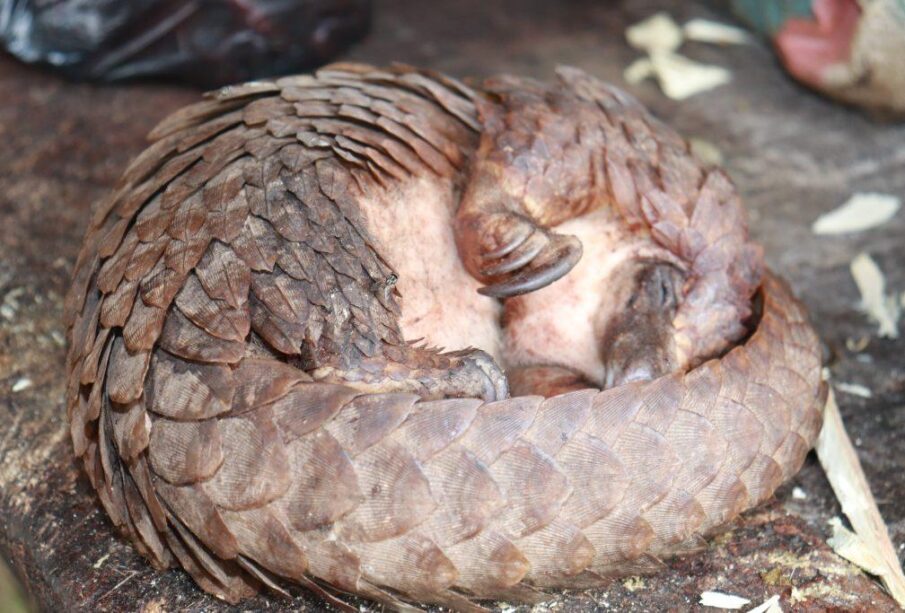
9. Pangolin
Pangolins are among the world’s most illegally trafficked mammals.
Why They’re Targeted
- Traditional medicine markets
- Illegal wildlife trade
- Meat consumption
Several African countries now enforce stricter penalties against pangolin trafficking while raising public awareness.
10. African Penguin
Native to southern Africa, African penguins have experienced sharp population declines.
Threats
- Overfishing
- Oil spills
- Climate change
- Habitat degradation
Protected breeding colonies and marine conservation programs aim to reverse these declines.
11. Ethiopian Wolf
Africa’s rarest wolf species survives only in the Ethiopian Highlands.
Protection Includes
- Disease vaccination
- Habitat preservation
- Community education
- Scientific monitoring
Its survival depends on continued conservation efforts.
12. Giraffe
Although many people assume giraffes are abundant, several subspecies have experienced significant declines.
Threats include:
- Habitat loss
- Illegal hunting
- Civil conflict
- Agricultural expansion
Protected reserves have become critical refuges for vulnerable giraffe populations.
Major Threats Facing African Wildlife
Illegal Wildlife Trade
Wildlife trafficking remains one of the largest illegal industries globally, targeting elephants, rhinos, pangolins, reptiles, and exotic birds.
Habitat Loss
Growing human populations have increased:
- Deforestation
- Agricultural expansion
- Mining
- Urban development
These activities reduce available habitat for wildlife.
Climate Change
Changing rainfall patterns, droughts, and rising temperatures affect migration routes, breeding seasons, and food availability.
Human-Wildlife Conflict
As people settle closer to wildlife habitats, encounters become more frequent, leading to crop destruction, livestock losses, and retaliatory killings.
Protected Areas Across Africa
Protected wildlife species often live within:
- National parks
- Wildlife reserves
- Biosphere reserves
- Marine protected areas
- Community conservancies
These protected landscapes provide safe habitats where animals can reproduce with reduced human interference.
The Role of Local Communities
Modern conservation increasingly recognizes that local communities are essential partners in protecting wildlife.
Community conservation initiatives often include:
- Eco-tourism employment
- Wildlife education
- Sustainable farming
- Revenue-sharing programs
- Anti-poaching partnerships
When communities benefit economically from conservation, wildlife protection becomes more sustainable.
Technology Supporting Wildlife Protection
Conservation organizations now use advanced technologies, including:
- GPS animal collars
- Camera traps
- Drone surveillance
- Artificial intelligence
- Satellite monitoring
- DNA analysis
These innovations help researchers track animal movements, detect illegal activities, and monitor population health.
How Individuals Can Help Protect African Wildlife
Everyone can contribute to wildlife conservation by:
- Supporting responsible tourism
- Avoiding products made from endangered animals
- Donating to reputable conservation organizations
- Raising awareness about endangered species
- Reporting illegal wildlife trade
- Supporting sustainable businesses
Small actions collectively make a meaningful difference.
Success Stories in African Wildlife Conservation
Despite ongoing challenges, conservation has achieved notable successes across Africa. Mountain gorilla populations have increased due to strict protection measures, several black rhino populations are slowly recovering through intensive management, and community conservancies have helped restore habitats for elephants, lions, and other species. These achievements demonstrate that coordinated efforts by governments, conservation organizations, researchers, and local communities can reverse declines and secure a brighter future for wildlife.
The Future of Wildlife Protection in Africa
The future of Africa’s wildlife depends on continued investment in conservation, stronger enforcement against illegal wildlife trade, sustainable land-use planning, and active participation from local communities. Climate change and expanding human populations will continue to present challenges, but innovative conservation strategies and international cooperation offer hope for preserving the continent’s remarkable biodiversity.
Protecting wildlife is not only about saving individual species, it is about safeguarding ecosystems that support millions of people, sustain tourism economies, and preserve Africa’s natural heritage for generations to come.
Conclusion
Africa’s protected wildlife species represent some of the planet’s most extraordinary natural treasures. From elephants and rhinos to pangolins and penguins, each species plays a unique role in maintaining ecological balance and enriching the continent’s cultural and environmental legacy.
While these animals face significant threats, dedicated conservation initiatives have shown that recovery is possible. Through stronger laws, scientific innovation, community involvement, and responsible tourism, Africa can continue to protect its incredible wildlife. By supporting conservation efforts, governments, organizations, and individuals alike help ensure that future generations will inherit a continent where wildlife continues to thrive in its natural habitats.




Leave a reply




Africa’s Source for Breaking News | Entertainments | Health | Finance | Sports | Lifestyle and Business News.


