
Traditional Cooking Methods Still Used Today
Traditional Cooking Methods Still Used Today
Across Africa and many other parts of the world, traditional cooking methods have endured despite the rise of modern kitchens, electric appliances, and convenience foods.
These time-tested techniques continue to produce rich flavors, preserve cultural identity, and bring families and communities together. While technology has transformed food preparation, many households still rely on age-old methods that have been passed down through generations.
Traditional cooking is more than simply preparing meals, it reflects history, geography, available resources, and cultural heritage. From slow-cooked stews over firewood to foods smoked for preservation, these methods remain relevant because they offer unique tastes and practical benefits that modern cooking often cannot replicate.
This article explores traditional cooking methods that are still widely practiced today and explains why they continue to play an important role in everyday life.
Why Traditional Cooking Methods Endure
Several factors contribute to the continued use of traditional cooking methods:
- They create distinctive flavors.
- They preserve cultural traditions.
- They require simple, locally available materials.
- They are often energy-efficient in rural communities.
- They strengthen family and community bonds during meal preparation.
- They support local food systems and indigenous ingredients.
For many families, traditional cooking is not just about eating, it is about preserving identity and celebrating heritage.
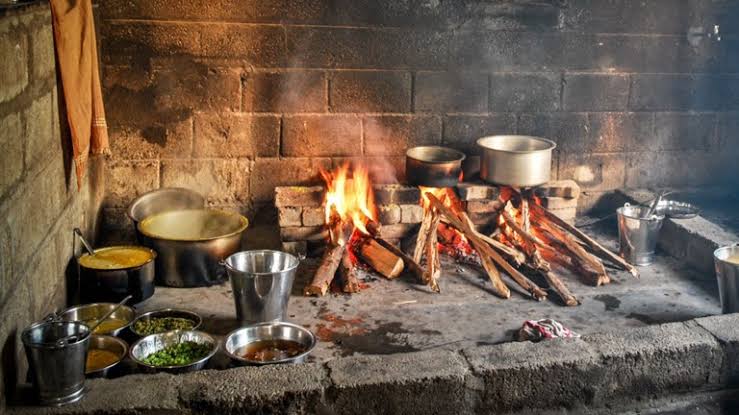
Cooking Over Firewood
Firewood remains one of the oldest and most common cooking methods across many African communities. Meals cooked over open flames often develop a smoky aroma that cannot easily be achieved using gas or electric stoves. Traditional soups, grilled meats, roasted yams, and local delicacies frequently taste richer when prepared over wood fires.
Advantages
- Distinct smoky flavor
- Affordable in many rural areas
- Suitable for cooking large family meals
- Works without electricity
Challenges
- Smoke exposure
- Environmental concerns when wood is harvested unsustainably
- Longer cooking times
Despite these challenges, millions of households still depend on firewood for daily cooking.
Charcoal Cooking
This is another traditional fuel widely used in towns and cities where firewood is less practical. Charcoal burns steadily and allows better temperature control than open firewood, making it suitable for frying, boiling, and grilling.
Popular foods prepared over charcoal include:
- Roasted corn
- Grilled fish
- Suya
- Plantains
- Barbecued meats
Many street food vendors continue to rely on charcoal because customers appreciate its unique flavor.
Clay Pot Cooking
Cooking in clay pots remains common in many cultures. Clay distributes heat gradually and evenly, allowing ingredients to cook slowly while retaining moisture and nutrients.
Foods often prepared in clay pots include:
- Vegetable soups
- Bean dishes
- Stews
- Rice meals
- Herbal broths
Many people believe food cooked in clay pots tastes more natural and richer than meals prepared in metal cookware.
Slow Cooking
Long before electric slow cookers became popular, traditional societies mastered slow cooking.
Ingredients simmer gently for several hours, allowing spices, herbs, meat, and vegetables to blend perfectly.
Benefits include:
- Tender meat
- Enhanced flavor
- Better nutrient retention
- Less risk of burning food
Many African soups and traditional sauces achieve their signature taste through slow cooking.
Smoking Foods
Smoking is one of humanity’s oldest food preservation techniques.
Fish, meat, and even vegetables are exposed to smoke from burning wood, reducing moisture while creating unique flavors.
Benefits include:
- Longer shelf life
- Reduced food waste
- Rich smoky taste
- Easier transportation
Smoked fish remains an essential ingredient in many traditional African soups and stews.
Sun Drying
Before refrigeration existed, communities preserved food by drying it under the sun.
Common foods include:
- Pepper
- Tomatoes
- Okra
- Fish
- Meat
- Fruits
- Herbs
Sun drying removes moisture that bacteria need to grow, helping food last much longer.
Today, many households continue using this inexpensive preservation method during harvest seasons.
Fermentation
Fermentation has been practiced for centuries to improve flavor, nutrition, and food preservation.
Examples include fermented:
- Cassava
- Maize
- Millet
- Sorghum
- Milk products
Fermented foods often contain beneficial microorganisms that support digestive health.
Many staple foods across Africa rely on fermentation before cooking.
Roasting on Open Flames
Roasting remains one of the simplest traditional cooking methods.
Foods commonly roasted include:
- Yam
- Corn
- Plantains
- Groundnuts
- Sweet potatoes
- Meat
Roadside vendors continue to use this technique because it requires minimal equipment while producing delicious flavors.
Steaming with Leaves
Long before aluminum foil became common, many communities wrapped food in natural leaves before steaming.
Common wrapping materials include:
- Banana leaves
- Plantain leaves
- Maize husks
Leaf wrapping helps:
- Retain moisture
- Preserve aroma
- Infuse natural flavors
- Prevent food from sticking
Many traditional dishes still rely on this environmentally friendly technique.
Stone Grinding
Before electric blenders, grains, spices, and peppers were ground using stones. Although labor-intensive, stone grinding often produces coarser textures that many traditional recipes require.
Today, some households still prefer stone-ground ingredients because they believe they offer better flavor and authenticity.
Earthen Ovens
Some communities continue baking and roasting foods inside earthen ovens constructed from clay or mud.
These ovens retain heat exceptionally well and are suitable for:
- Bread
- Meat
- Root vegetables
- Traditional pastries
The slow, even heating creates textures difficult to achieve using conventional ovens.
Cooking in Large Community Pots
During festivals, weddings, funerals, and celebrations, large iron or aluminum pots remain central to communal cooking.
This method allows:
- Cooking for hundreds of people
- Shared responsibility
- Preservation of cultural cooking practices
- Community participation
Such gatherings strengthen social connections while passing culinary knowledge to younger generations.
Why Traditional Cooking Still Matters
Traditional cooking methods continue to offer important benefits beyond taste.
Cultural Preservation
Recipes and techniques preserve stories, customs, and identities across generations.
Sustainability
Many traditional methods rely on locally available materials and seasonal ingredients, reducing dependence on imported products.
Health Benefits
Fresh ingredients, minimal processing, and slow cooking often preserve nutrients and encourage balanced diets.
Economic Value
Traditional cooking supports local farmers, food vendors, artisans, and producers of cookware such as clay pots and woven food baskets.
Tourism
Visitors increasingly seek authentic culinary experiences, making traditional cooking an important part of Africa’s growing tourism industry.
Balancing Tradition and Modern Technology
Modern appliances offer convenience, speed, and improved hygiene. However, many families successfully combine traditional methods with contemporary tools.
For example:
- Electric stoves are used for quick meals.
- Clay pots are reserved for special recipes.
- Gas cookers replace firewood during rainy seasons.
- Refrigeration complements traditional preservation techniques like smoking and drying.
This balance allows households to preserve culinary traditions while benefiting from modern innovations.
Passing Knowledge to Future Generations
One challenge facing traditional cooking is the gradual loss of knowledge as younger generations adopt faster lifestyles.
Communities can preserve these skills by:
- Teaching children family recipes.
- Documenting indigenous cooking techniques.
- Organizing cultural food festivals.
- Supporting local culinary schools.
- Promoting traditional foods through tourism and media.
These efforts ensure that valuable cooking traditions remain part of everyday life rather than becoming museum artifacts.
Conclusion
Traditional cooking methods remain deeply relevant in today’s world because they combine practicality, culture, and exceptional flavor. Whether it is cooking over firewood, smoking fish, fermenting grains, steaming food in leaves, or using clay pots, these techniques continue to shape the way millions of people prepare and enjoy meals.
As societies modernize, preserving these culinary traditions becomes increasingly important. They remind us that food is more than nourishment, it is a reflection of history, community, creativity, and identity. By embracing both traditional wisdom and modern convenience, we can ensure that these cherished cooking methods continue to enrich kitchens and dining tables for generations to come.




Leave a reply







Africa’s Source for Breaking News | Entertainments | Health | Finance | Sports | Lifestyle and Business News.


