
The Importance of Emotional Intelligence
The Importance of Emotional Intelligence
In today’s fast-paced and interconnected world, intelligence is no longer measured solely by academic achievements or technical expertise.
While cognitive ability remains important, another form of intelligence has become increasingly valuable in determining personal and professional success, emotional intelligence (EI).
Emotional intelligence is the ability to recognize, understand, manage, and influence emotions, both your own and those of others. Whether you’re leading a business, raising a family, building friendships, or working in a team, emotional intelligence plays a significant role in how effectively you navigate life’s challenges.
Across Africa, where communities often thrive on strong social connections, emotional intelligence has become an essential life skill. It helps individuals resolve conflicts peacefully, communicate effectively, build trust, and create healthier environments at home, school, and the workplace.
What Is Emotional Intelligence?
Emotional intelligence refers to a person’s ability to understand emotions and use them constructively. The concept gained widespread attention after psychologist Daniel Goleman highlighted its importance in leadership, education, and workplace performance.
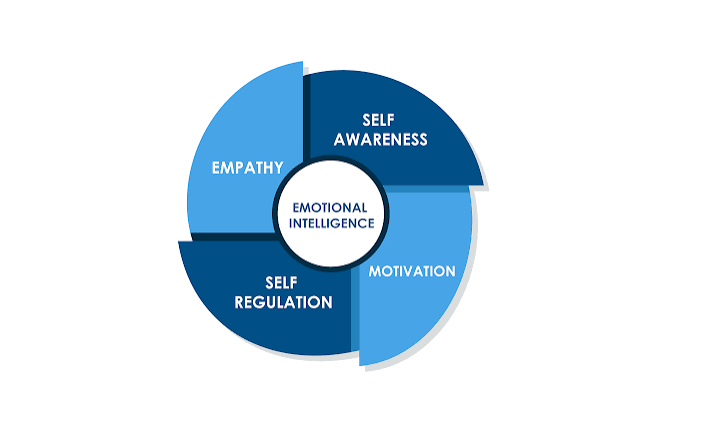
Emotional intelligence is commonly divided into five key components:
1. Self-Awareness
Self-awareness involves recognizing your own emotions and understanding how they influence your thoughts and behavior.
Someone with strong self-awareness can identify when they are becoming frustrated, anxious, or excited before those emotions lead to poor decisions.
For example, an entrepreneur facing financial pressure may acknowledge feelings of stress instead of reacting impulsively toward employees or customers.
2. Self-Regulation
Self-regulation is the ability to manage emotions rather than allowing emotions to control your actions.
This includes:
- Remaining calm during disagreements
- Managing anger appropriately
- Thinking before reacting
- Adapting to unexpected situations
People who regulate emotions well tend to make better decisions, especially during stressful situations.
3. Motivation
Emotionally intelligent individuals are often internally motivated. Instead of relying only on external rewards like money or recognition, they remain committed to long-term goals despite setbacks.
This quality is particularly valuable for entrepreneurs, students, and professionals facing economic uncertainty or competitive markets.
4. Empathy
Empathy means understanding another person’s emotions and perspectives. It goes beyond sympathy. Rather than simply feeling sorry for someone, empathy allows you to appreciate what another person is experiencing.
In African communities where cooperation and family relationships are highly valued, empathy strengthens trust and social harmony.
5. Social Skills
Good communication, teamwork, conflict resolution, negotiation, and relationship building all fall under social skills.
People with strong emotional intelligence usually:
- Listen actively
- Communicate respectfully
- Resolve misunderstandings effectively
- Build meaningful relationships
- Inspire confidence in others
These skills are increasingly valuable in both business and community leadership.
Why Emotional Intelligence Matters
Better Relationships
Healthy relationships depend on effective communication and emotional understanding.
Whether in marriage, friendships, or family life, emotional intelligence helps individuals:
- Express feelings respectfully
- Resolve conflicts peacefully
- Build trust
- Avoid unnecessary misunderstandings
People who understand emotions are generally better equipped to maintain long-lasting relationships.
Improved Mental Well-Being
Recognizing emotions allows people to manage stress more effectively. Instead of suppressing frustration, anxiety, or disappointment, emotionally intelligent individuals acknowledge their feelings and choose healthier coping strategies.
This often leads to:
- Lower stress levels
- Greater resilience
- Increased optimism
- Better emotional stability
Workplace Success
Technical skills may help someone secure a job, but emotional intelligence often determines long-term career success.
Employees with high emotional intelligence usually:
- Collaborate effectively
- Accept constructive criticism
- Adapt to change
- Communicate professionally
- Handle workplace pressure calmly
Employers increasingly value these qualities because they improve productivity and teamwork.
Stronger Leadership
Great leaders inspire people through emotional awareness rather than authority alone.
Emotionally intelligent leaders:
- Listen before making decisions
- Understand employee concerns
- Build trust
- Encourage collaboration
- Handle conflict fairly
Across African businesses, government institutions, nonprofits, and community organizations, emotionally intelligent leadership contributes to stronger teams and better outcomes.
Emotional Intelligence in African Communities
Africa’s rich cultural diversity places significant importance on relationships, family values, and community cooperation.
Emotional intelligence supports these traditions by encouraging:
Respectful Communication
Different generations often have varying perspectives.
Emotional intelligence allows younger and older family members to communicate with greater understanding instead of conflict.
Peaceful Conflict Resolution
Community disagreements can quickly escalate when emotions are poorly managed.
Individuals who practice emotional intelligence often seek dialogue, compromise, and mutual respect instead of hostility.
Youth Development
Teaching emotional intelligence in schools helps young people:
- Build confidence
- Handle peer pressure
- Develop resilience
- Improve academic performance
- Form healthier friendships
Many educators now recognize emotional learning as an important complement to academic education.
Emotional Intelligence and Entrepreneurship
Business owners frequently encounter uncertainty, financial challenges, customer complaints, and competitive pressure.
Entrepreneurs with strong emotional intelligence are more likely to:
- Remain calm during setbacks
- Motivate employees
- Handle customer concerns professionally
- Build loyal business relationships
- Negotiate effectively
In Africa’s growing entrepreneurial ecosystem, emotional intelligence often becomes a competitive advantage.
Emotional Intelligence in Families
Families thrive when members understand and respect one another’s emotions.
Parents with emotional intelligence can:
- Listen patiently to children
- Encourage open conversations
- Teach healthy emotional expression
- Discipline without excessive anger
Children raised in emotionally supportive environments often develop greater confidence, empathy, and resilience.
Common Signs of Low Emotional Intelligence
Individuals with limited emotional intelligence may:
- Frequently lose their temper
- Blame others for mistakes
- Struggle to accept feedback
- Interrupt conversations
- Misinterpret people’s intentions
- Have difficulty maintaining relationships
- React impulsively under stress
Fortunately, emotional intelligence can be developed through consistent practice.
How to Improve Emotional Intelligence
Practice Self-Reflection
Spend time identifying your emotional triggers.
Keeping a journal can help you recognize patterns in your thoughts and reactions.
Listen More Than You Speak
Active listening helps you understand people’s emotions before responding.
Avoid interrupting others or assuming you already know how they feel.
Develop Empathy
Try viewing situations from another person’s perspective.
Ask yourself:
- What might this person be experiencing?
- Why are they reacting this way?
- How would I feel in their position?
Manage Stress Effectively
Healthy habits such as exercise, adequate sleep, prayer or meditation, and relaxation techniques improve emotional control during stressful situations.
Accept Constructive Feedback
Instead of becoming defensive, view feedback as an opportunity for growth.
Learning from others strengthens both personal and professional development.
Improve Communication
Express your thoughts respectfully and honestly.
Use calm language, maintain eye contact, and focus on solving problems rather than assigning blame.
Emotional Intelligence in the Digital Age
Social media and digital communication have transformed how people interact.
However, online conversations often lack emotional cues, increasing misunderstandings.
Practicing emotional intelligence online means:
- Thinking before posting
- Respecting differing opinions
- Avoiding harmful comments
- Verifying information before sharing
- Engaging in constructive discussions
Responsible digital behavior contributes to healthier online communities.
The Future of Emotional Intelligence
As automation and artificial intelligence continue to transform workplaces, uniquely human skills are becoming even more valuable.
Employers increasingly seek individuals who can:
- Lead diverse teams
- Build relationships
- Solve interpersonal conflicts
- Communicate effectively
- Adapt to changing environments
Emotional intelligence will remain a critical skill across industries, from healthcare and education to technology, entrepreneurship, and public service.
Conclusion
Emotional intelligence is one of the most valuable skills anyone can develop. It shapes how we understand ourselves, connect with others, solve problems, and respond to life’s challenges. While knowledge and technical expertise open doors, emotional intelligence helps us build meaningful relationships, inspire trust, and make thoughtful decisions under pressure.
For individuals, families, businesses, and communities across Africa, investing in emotional intelligence can lead to stronger leadership, healthier relationships, improved mental well-being, and greater resilience in an ever-changing world. By practicing self-awareness, empathy, self-regulation, motivation, and effective communication, anyone can cultivate emotional intelligence and create a more positive impact on those around them.
Frequently Asked Questions (FAQs)
1. What is emotional intelligence?
Emotional intelligence is the ability to recognize, understand, manage, and positively influence your own emotions and the emotions of others.
2. Why is emotional intelligence important?
It improves communication, strengthens relationships, enhances leadership, supports mental well-being, and contributes to success in both personal and professional life.
3. Can emotional intelligence be learned?
Yes. Emotional intelligence can be developed through self-reflection, active listening, empathy, emotional regulation, and continuous practice.
4. How does emotional intelligence help at work?
It enables better teamwork, conflict resolution, adaptability, leadership, and customer relationships while improving overall workplace performance.
5. How can parents teach emotional intelligence to children?
Parents can model healthy emotional expression, listen without judgment, encourage empathy, help children name their emotions, and guide them in resolving conflicts calmly.




Leave a reply





Africa’s Source for Breaking News | Entertainments | Health | Finance | Sports | Lifestyle and Business News.


