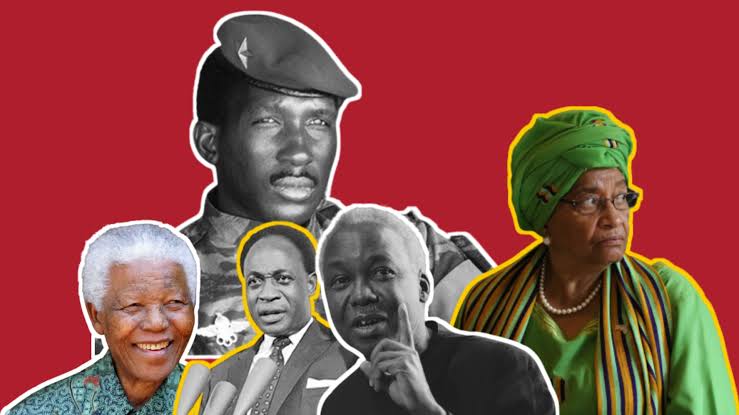
Africa's Most Influential Historical Leaders
Africa has produced some of history’s most remarkable leaders.
These influential figures shaped Africa through military leadership, diplomacy, economic reforms, education, and social justice. Their achievements continue to inspire generations, while their leadership lessons remain relevant in today’s rapidly changing world.
This article explores some of Africa’s most influential historical leaders and the lasting impact they made on the continent.
Why Historical Leaders Matter
Understanding Africa’s historical leaders helps us appreciate the continent’s rich heritage. These individuals did more than govern territories, they built civilizations, encouraged trade, protected cultures, and defended their people during difficult times.
Moreover, their stories challenge outdated stereotypes about Africa’s history. They reveal a continent filled with innovation, strong governance, and resilient communities long before modern nation-states emerged.
1. Mansa Musa (Mali)
Mansa Musa ruled the Mali Empire during the 14th century and is widely regarded as one of the wealthiest individuals in history. His empire controlled valuable gold and salt trade routes across West Africa, making Mali one of the world’s richest kingdoms.
His famous pilgrimage to Mecca in 1324 attracted international attention because of the immense wealth he distributed along the journey. However, Mansa Musa’s greatest achievement went beyond wealth.
He invested heavily in education, architecture, and Islamic scholarship. Cities such as Timbuktu became global centers of learning, attracting scholars from across Africa, the Middle East, and Europe.
Lasting Legacy
- Expanded international trade
- Promoted education and scholarship
- Strengthened Mali’s global reputation
- Developed cultural and architectural landmarks
2. Queen Amina of Zazzau (Present-Day Nigeria)
Queen Amina remains one of Africa’s most celebrated female military leaders. She ruled the Hausa city-state of Zazzau during the 16th century and expanded its territory through strategic military campaigns.
Under her leadership, trade routes became safer, allowing commerce to flourish across northern Nigeria and neighboring regions. She also introduced defensive walls around major settlements, many of which became known as “Amina’s Walls.”
Her courage continues to inspire women in leadership across Africa.
Lasting Legacy
- Expanded trade networks
- Strengthened regional security
- Encouraged female leadership
- Increased political influence in the Hausa states
3. Shaka Zulu (South Africa)
Shaka transformed the Zulu Kingdom into one of southern Africa’s most powerful states during the early 19th century. He reorganized military structures, introduced innovative battle tactics, and created disciplined fighting units that dramatically increased the Zulu Kingdom’s strength.
Although historians continue to debate aspects of his reign, there is little doubt that his military reforms changed the political landscape of southern Africa.
Lasting Legacy
- Revolutionized military organization
- United numerous communities
- Strengthened the Zulu Kingdom
- Influenced future African military strategies
4. Haile Selassie I (Ethiopia)
Haile Selassie served as Emperor of Ethiopia and became an international symbol of African independence and resilience. When Italy invaded Ethiopia in the 1930s, he appealed to the international community through the League of Nations, drawing global attention to aggression against African nations.
Following World War II, he modernized Ethiopia by expanding education, healthcare, transportation, and government institutions.
Furthermore, he played an important role in promoting African unity.
Lasting Legacy
- Modernized Ethiopia
- Supported African diplomacy
- Inspired anti-colonial movements
- Helped promote continental cooperation
5. Kwame Nkrumah (Ghana)
Kwame Nkrumah became Ghana’s first Prime Minister and later its first President after leading the country’s successful independence movement in 1957. He believed that political independence was only the beginning. Economic development, industrialization, and African unity became central pillars of his vision.
Nkrumah also advocated for Pan-Africanism, encouraging African countries to work together politically and economically.
Lasting Legacy
- Led Ghana to independence
- Promoted Pan-African cooperation
- Invested in infrastructure
- Inspired liberation movements across Africa
6. Nelson Mandela (South Africa)
Few African leaders have achieved global recognition equal to Nelson Mandela. After spending 27 years in prison for opposing apartheid, Mandela emerged as a symbol of forgiveness, democracy, and reconciliation.
Instead of encouraging revenge, he worked to unite South Africans across racial divides. His leadership helped establish one of Africa’s strongest democratic transitions.
His commitment to peace earned him the Nobel Peace Prize in 1993.
Lasting Legacy
- Ended apartheid through peaceful negotiations
- Promoted national reconciliation
- Strengthened democracy
- Inspired human rights movements worldwide
7. Julius Nyerere (Tanzania)
Julius Nyerere became Tanzania’s first President and focused on nation-building after independence. He introduced policies aimed at improving education, healthcare, and rural development. While some economic policies faced challenges, his emphasis on national unity helped Tanzania avoid many ethnic conflicts experienced elsewhere.
His leadership prioritized social cohesion over political division.
Lasting Legacy
- Expanded access to education
- Promoted national unity
- Encouraged self-reliance
- Supported African liberation movements
8. Thomas Sankara (Burkina Faso)
Although he ruled for only four years, Thomas Sankara remains one of Africa’s most admired reformers. He promoted women’s rights, environmental conservation, agricultural self-sufficiency, and anti-corruption measures.
Sankara reduced government spending, encouraged local production, and emphasized accountability in public service. Today, many young Africans continue to view him as a symbol of integrity and transformational leadership.
Lasting Legacy
- Advanced women’s empowerment
- Fought corruption
- Promoted environmental protection
- Encouraged economic self-sufficiency
9. Samora Machel (Mozambique)
Samora Machel led Mozambique to independence from Portuguese colonial rule in 1975. After independence, he prioritized education, healthcare, and rebuilding national institutions. Despite facing civil conflict, his leadership inspired many African liberation movements.
Lasting Legacy
- Led Mozambique to independence
- Expanded public education
- Improved healthcare access
- Encouraged national reconstruction
10. Patrice Lumumba (Democratic Republic of the Congo)
Patrice Lumumba became the first Prime Minister of the independent Congo in 1960. Although his time in office was brief, he became a powerful symbol of African sovereignty and resistance against foreign interference.
His speeches emphasized dignity, independence, and national unity, inspiring generations across Africa.
Lasting Legacy
- Symbolized African independence
- Advocated national unity
- Inspired anti-colonial movements
- Became an enduring icon of African freedom
Common Qualities Shared by Great African Leaders
Although these leaders came from different regions and centuries, they shared several important leadership qualities.
Vision
They looked beyond immediate challenges and planned for long-term prosperity.
Courage
Many faced wars, colonial powers, imprisonment, or political opposition without abandoning their goals.
Commitment to Their People
Successful leaders prioritized education, security, economic growth, or national unity over personal gain.
Innovation
Whether through military strategy, governance, diplomacy, or economic reform, they introduced new ideas that transformed their societies.
Resilience
Even during periods of hardship, they remained committed to improving the lives of future generations.
Lessons Modern Africa Can Learn
Africa’s historical leaders continue to offer valuable lessons for today’s governments, entrepreneurs, and young people.
Some of these lessons include:
- Invest in education as a foundation for national development.
- Promote unity across ethnic and cultural differences.
- Build strong institutions that outlast individual leaders.
- Encourage innovation and local entrepreneurship.
- Lead with integrity, accountability, and service.
- Protect Africa’s cultural heritage while embracing modernization.
These principles remain essential as African nations pursue sustainable development and greater regional cooperation.
Conclusion
Africa’s history is filled with exceptional leaders whose influence extended far beyond their own countries. From Mansa Musa’s investment in learning and trade to Queen Amina’s military leadership, from Kwame Nkrumah’s vision of African unity to Nelson Mandela’s commitment to reconciliation, these figures transformed societies and inspired the world.
Their achievements remind us that effective leadership combines vision, courage, wisdom, and service. As Africa continues to grow economically, politically, and culturally, the stories of these historical leaders remain powerful sources of inspiration for future generations.
By studying their successes and challenges, we gain a deeper appreciation of Africa’s rich history and the enduring leadership values that continue to shape the continent today.
Travel Safety Tips for African Adventures
July 11, 2026Foods Associated With African Celebrations
July 11, 2026The Rise of Healthy Eating Movements
July 10, 2026
Leave a reply Cancel reply
More News
-
Best Hotels in Abuja
April 30, 2026 -
10 Popular Online Marketplaces in Africa You Need to Know About
November 17, 2023 -
Community Bulk Buying Models
March 16, 2026
Latest Posts
-
Africa’s Most Influential Historical Leaders
July 11, 2026 -
Travel Safety Tips for African Adventures
July 11, 2026 -
Foods Associated With African Celebrations
July 11, 2026 -
Building Strong Customer Relationships
July 11, 2026 -
Parenting in the Digital Age
July 10, 2026
Weekly Podcast
Travel News
-
Travel Safety Tips for African Adventures
July 11, 2026 -
How Local Communities Protect Wildlife
July 8, 2026 -
Africa’s Most Beautiful Coastal Destinations
July 3, 2026
Personal Development
-
Parenting in the Digital Age
July 10, 2026 -
How Social Media Influences Self-Esteem
July 9, 2026 -
The Importance of Emotional Intelligence
July 7, 2026