
Healthy Indigenous Grains You Should Know
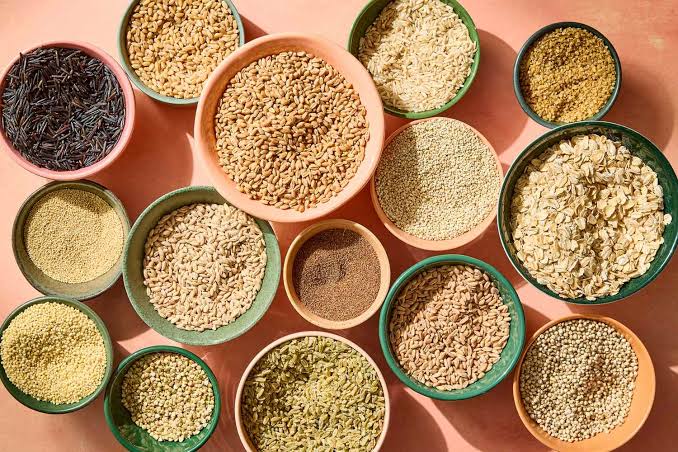
Healthy Indigenous Grains You Should Know
As people become more health-conscious, many are looking beyond processed foods and returning to natural, nutrient-rich staples.
Indigenous grains, cultivated for generations across Africa, Asia, and the Americas, are gaining global recognition for their exceptional nutritional value and environmental sustainability.
These traditional grains offer a wealth of health benefits while preserving cultural heritage and supporting local farmers. Whether you’re seeking healthier meal options, managing your weight, or diversifying your diet, indigenous grains deserve a place on your plate.
What Are Indigenous Grains?
Indigenous grains are cereal crops and ancient grains that have been cultivated locally for centuries. Unlike many modern refined grains, they are often consumed in minimally processed forms, allowing them to retain their natural nutrients.
These grains have adapted to local climates, making them resilient to drought, pests, and changing weather conditions. Their ability to thrive under challenging conditions makes them essential for food security in many regions.
Why Indigenous Grains Are Healthy
Indigenous grains offer numerous nutritional advantages, including:
- Rich in dietary fiber
- High in essential vitamins and minerals
- Good source of plant-based protein
- Naturally gluten-free (many varieties)
- Low glycemic index compared to refined grains
- Rich in antioxidants
- Promote digestive health
- Help regulate blood sugar levels
- Support heart health
- Keep you feeling full for longer
Healthy Indigenous Grains You Should Know
1. Millet
Millet is one of Africa’s oldest cultivated grains and remains a staple in many rural communities.
Health Benefits:
- High in magnesium and phosphorus
- Supports heart health
- Rich in antioxidants
- Helps manage blood sugar
- Excellent source of dietary fiber
Common Uses:
- Porridge
- Flour for baking
- Couscous alternatives
- Traditional beverages
2. Sorghum
Sorghum is widely grown across Africa due to its drought tolerance and nutritional richness.
Health Benefits:
- Rich in protein
- High in iron
- Excellent source of fiber
- Contains powerful antioxidants
- Supports digestive health
Common Uses:
- Pap
- Bread
- Flour
- Breakfast cereals
- Traditional drinks
3. Fonio
Fonio is often referred to as one of Africa’s oldest cultivated grains. Though tiny in size, it is nutritionally impressive.
Health Benefits:
- Easy to digest
- Rich in amino acids
- Low glycemic index
- Naturally gluten-free
- Quick cooking time
Common Uses:
- Pilaf
- Porridge
- Salads
- Side dishes
4. Teff
Originally from the Horn of Africa, teff has become popular worldwide due to its exceptional nutrient profile.
Health Benefits:
- Rich in calcium
- Excellent source of iron
- High in protein
- Supports bone health
- Contains resistant starch for gut health
Common Uses:
- Flatbreads
- Porridge
- Pancakes
- Baking flour
5. African Rice
African rice has been cultivated for thousands of years and remains important in several West African countries.
Health Benefits:
- Good source of carbohydrates
- Rich in minerals
- Contains natural antioxidants
- Supports energy production
Common Uses:
- Rice dishes
- Stews
- Traditional festive meals
6. Pearl Millet
Pearl millet is especially common in semi-arid regions because it thrives under harsh growing conditions.
Health Benefits:
- Rich in iron
- Supports healthy digestion
- Provides sustained energy
- High in B vitamins
Common Uses:
- Flatbreads
- Porridge
- Flour blends
7. Finger Millet
Finger millet is valued for its exceptional calcium content.
Health Benefits:
- Excellent for bone health
- Rich in dietary fiber
- Helps control blood sugar
- Supports healthy aging
Common Uses:
- Baby foods
- Porridge
- Flour
- Traditional snacks
8. Bambara Groundnut (Often Used Like a Grain)
Although technically a legume, Bambara groundnut is frequently consumed alongside grains and deserves recognition.
Health Benefits:
- High protein content
- Rich in healthy carbohydrates
- Supports muscle development
- Excellent source of iron
Common Uses:
- Flour
- Porridge
- Snacks
- Traditional meals
Nutritional Advantages Over Refined Grains
Compared to highly processed grains, indigenous grains generally provide:
- More fiber
- Higher vitamin content
- Better mineral retention
- Greater antioxidant levels
- Slower digestion
- Improved blood sugar control
- Better satiety
These qualities make them valuable additions to balanced diets.
Environmental Benefits
Indigenous grains also contribute to sustainable agriculture by:
- Requiring less water
- Thriving in poor soils
- Tolerating drought
- Reducing dependence on imported crops
- Supporting biodiversity
- Preserving traditional farming knowledge
These characteristics make them increasingly important as climate change affects food production.
Tips for Adding Indigenous Grains to Your Diet
You don’t need to overhaul your eating habits to enjoy these grains. Start by:
- Replacing white rice with millet or fonio once a week.
- Mixing sorghum flour into homemade bread.
- Preparing teff porridge for breakfast.
- Using millet in salads and soups.
- Trying traditional recipes from different African regions.
- Experimenting with gluten-free baking using indigenous grain flours.
Supporting Local Farmers
Buying locally grown indigenous grains helps:
- Strengthen rural economies
- Preserve traditional agriculture
- Encourage sustainable farming
- Reduce dependence on imported foods
- Promote food security
Choosing these grains benefits both your health and your community.
Conclusion
Healthy indigenous grains represent a powerful combination of nutrition, tradition, and sustainability. From millet and sorghum to fonio and teff, these ancient foods provide essential nutrients while supporting local agriculture and preserving cultural heritage.
As more people embrace healthier lifestyles, indigenous grains offer a delicious and practical way to improve nutrition without abandoning traditional foods. By incorporating these nutrient-rich staples into everyday meals, individuals can enjoy better health while contributing to a more sustainable and resilient food system.




Leave a reply





Africa’s Source for Breaking News | Entertainments | Health | Finance | Sports | Lifestyle and Business News.


