
Popular Snacks From Different African Regions
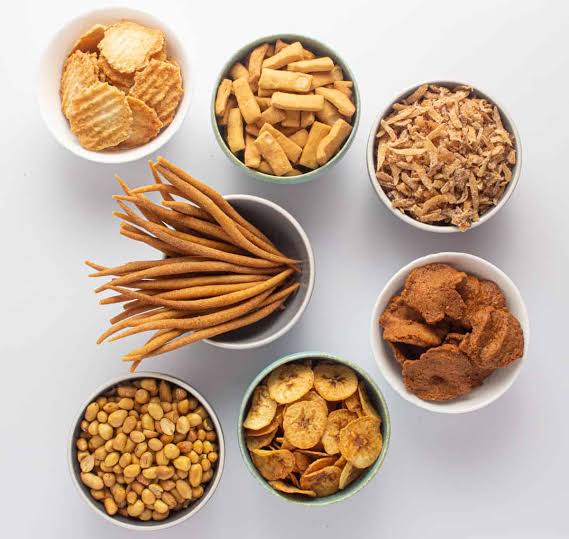
Popular Snacks From Different African Regions
Africa’s diverse cultures have created one of the world’s most exciting food landscapes.
From bustling markets in West Africa to vibrant streets in North Africa and coastal towns in East Africa, every region offers unique snacks that reflect local traditions, ingredients, and flavors. Whether you crave something sweet, savory, spicy, or crunchy, African snacks provide a delicious experience that goes far beyond satisfying hunger.
Moreover, these snacks tell stories of heritage, community, and innovation. Families often prepare them during celebrations, while street vendors serve them fresh to busy commuters every day. As African cuisine continues to gain global recognition, more people are discovering the incredible variety of traditional snacks found across the continent.
Why African Snacks Are So Popular
African snacks remain popular for several reasons. First, they are affordable and widely available in cities, towns, and villages. In addition, many recipes rely on fresh, locally sourced ingredients that deliver both flavor and nutrition.
Furthermore, traditional snacks often carry cultural significance. Families prepare them for weddings, festivals, religious celebrations, and social gatherings. Consequently, these foods connect generations while preserving culinary traditions that have existed for centuries.
West Africa’s Favorite Snacks
West Africa is famous for its vibrant street food culture and bold flavors. As a result, the region offers some of Africa’s most recognizable snacks.
Puff-Puff (Nigeria, Ghana, Cameroon)
Puff-puff consists of soft, fluffy dough that cooks in hot oil until golden brown. Vendors often sell it fresh, and many people enjoy it with tea, soft drinks, or fruit juice.
Although recipes vary slightly from country to country, puff-puff remains one of West Africa’s most beloved snacks.
Chin Chin (Nigeria)
Chin chin features crunchy bite-sized pastry made from flour, butter, sugar, and milk. Bakers often flavor it with nutmeg or vanilla before frying or baking it until crisp.
Today, families serve chin chin during festive occasions, and many food companies package it for supermarkets.
Kelewele (Ghana)
Kelewele combines ripe plantains with ginger, garlic, pepper, and aromatic spices before frying them until caramelized.
As a result, this snack delivers a perfect balance of sweetness and heat that makes it a favorite among locals and visitors alike.
Roasted Groundnuts
Across West Africa, roasted groundnuts provide an inexpensive and nutritious snack. Moreover, vendors frequently sell them alongside roasted corn, especially during the rainy season.
East Africa’s Popular Street Snacks
East African cuisine reflects centuries of cultural exchange between African, Arab, and Asian communities. Consequently, many regional snacks feature distinctive flavors and cooking techniques.
Mandazi (Kenya, Tanzania, Uganda)
Mandazi resembles a lightly sweet fried bread with a soft interior. Unlike many doughnuts, it contains less sugar and often includes coconut milk or cardamom for added flavor.
People commonly enjoy mandazi with tea during breakfast or as an afternoon snack.
Samosas
Although traders originally introduced samosas to East Africa, local communities transformed them into a regional favorite.
Today, cooks fill them with minced meat, potatoes, vegetables, or lentils before frying them until crispy. Consequently, samosas have become essential at celebrations, Ramadan gatherings, and street food stalls.
Cassava Chips
Cassava chips offer another popular snack throughout Tanzania and Uganda. Vendors slice fresh cassava into thin pieces, season them with spices, and fry them until crisp.
As a result, these chips provide a satisfying alternative to potato chips.
Roasted Maize
Roasted maize remains one of East Africa’s simplest yet most enjoyable snacks. Street vendors roast fresh corn over charcoal, creating a smoky flavor that attracts both locals and tourists.
North African Delicacies
North African snacks blend Mediterranean, Arab, and Berber culinary traditions. Therefore, they offer unique flavors and textures that differ from those found elsewhere on the continent.
Briouats (Morocco)
Briouats are delicate pastry triangles filled with meat, seafood, cheese, or sweet almond paste.
Depending on the filling, cooks either fry or bake them before serving. Meanwhile, sweet varieties receive a coating of honey and sesame seeds.
Msemen
Msemen is a flaky layered flatbread that people enjoy plain or with savory fillings.
Alternatively, many families serve it with honey, butter, or jam alongside mint tea.
Dates and Nuts
Across North Africa, dates remain one of the most nutritious traditional snacks.
Furthermore, people often pair them with almonds, walnuts, or peanuts to create a healthy combination rich in natural energy.
Central Africa’s Snack Favorites
Central African cuisine highlights fresh produce, root crops, and simple preparation methods.
Fried Plantains
Fried plantains remain popular throughout countries such as Cameroon and the Democratic Republic of Congo.
Depending on their ripeness, they can taste either sweet or slightly savory.
Cassava Bread
Cassava flour allows families to prepare filling flatbreads and crispy snacks that many communities enjoy daily.
Moreover, cassava naturally contains no gluten, making it suitable for people with certain dietary preferences.
Roasted Caterpillars
Several Central African communities enjoy roasted or dried caterpillars as traditional snacks.
Although they may seem unusual to some visitors, they provide high-quality protein and essential nutrients.
Southern Africa’s Popular Snacks
Southern Africa combines indigenous food traditions with European and Asian influences. Consequently, the region offers an exciting variety of snack foods.
Vetkoek (South Africa)
Vetkoek consists of fried bread that cooks fill with curried mince, cheese, or jam.
Because of its versatility, families enjoy it as both a snack and a light meal.
Biltong
Biltong is made by seasoning and air-drying strips of beef or game meat.
Unlike many processed meat snacks, biltong develops its rich flavor through careful drying rather than cooking.
Meat Pies
Flaky meat pies remain popular across South Africa, Zimbabwe, and Namibia.
Busy workers, travelers, and students often choose them because they are filling and convenient.
Boerewors Rolls
Boerewors rolls combine grilled sausage with fresh bread and flavorful sauces.
As a result, they have become a favorite at sporting events, outdoor festivals, and family barbecues.
Healthy African Snack Options
Many traditional African snacks provide impressive nutritional value. For example, roasted groundnuts contain healthy fats and protein, while fresh fruits supply essential vitamins and minerals.
Other healthy choices include:
- Boiled groundnuts
- Roasted maize
- Fresh coconut pieces
- Tiger nuts
- Dried fruits
- Boiled sweet potatoes
- Fresh mango slices
- Pineapple chunks
- Baobab fruit
Therefore, people can enjoy many African snacks as part of a balanced diet.
Street Food Culture Across Africa
Street food forms an essential part of daily life across Africa. Every morning, thousands of vendors prepare fresh snacks for commuters, students, workers, and travelers.
Moreover, these small businesses create employment opportunities while preserving traditional recipes. At the same time, they introduce visitors to authentic local flavors that restaurants sometimes overlook.
As tourism and food entrepreneurship continue to grow, many businesses now package traditional African snacks for supermarkets and international markets. Consequently, consumers around the world can experience African cuisine more easily than ever before.
African Snacks on the Global Stage
African snacks continue to gain international attention. Today, supermarkets, restaurants, and specialty food stores in Europe, North America, and Asia increasingly stock products such as chin chin, biltong, plantain chips, and roasted groundnuts.
Furthermore, growing interest in natural and minimally processed foods has increased demand for snacks made from cassava, millet, sorghum, and baobab. Therefore, African food producers have new opportunities to showcase their culinary traditions to a global audience.
Tips for Trying African Snacks
If you want to explore African snacks, consider these helpful suggestions:
- Start with well-known favorites such as puff-puff or mandazi.
- Visit local markets to experience freshly prepared snacks.
- Ask vendors about regional specialties and family recipes.
- Pair snacks with traditional drinks like hibiscus juice or ginger beverages.
- Keep an open mind and try unfamiliar ingredients to discover new flavors.
Conclusion
Africa’s incredible variety of snacks reflects the continent’s rich history, cultural diversity, and agricultural abundance. From the soft sweetness of Nigerian puff-puff and the spicy flavors of Ghanaian kelewele to the flaky pastries of Morocco and the savory richness of South African biltong, every region offers something memorable.
Moreover, these snacks do more than satisfy hunger, they celebrate community, preserve traditions, and support local economies. As African cuisine continues to capture international attention, traditional snacks remain among the continent’s greatest culinary treasures. Whether you are exploring Africa for the first time or reconnecting with familiar flavors, these delicious treats provide an unforgettable taste of the continent’s remarkable heritage.




Leave a reply







Africa’s Source for Breaking News | Entertainments | Health | Finance | Sports | Lifestyle and Business News.


