
The Evolution of African Street Food Culture
The Evolution of African Street Food Culture
African street food culture has always been more than a way to find a quick meal.
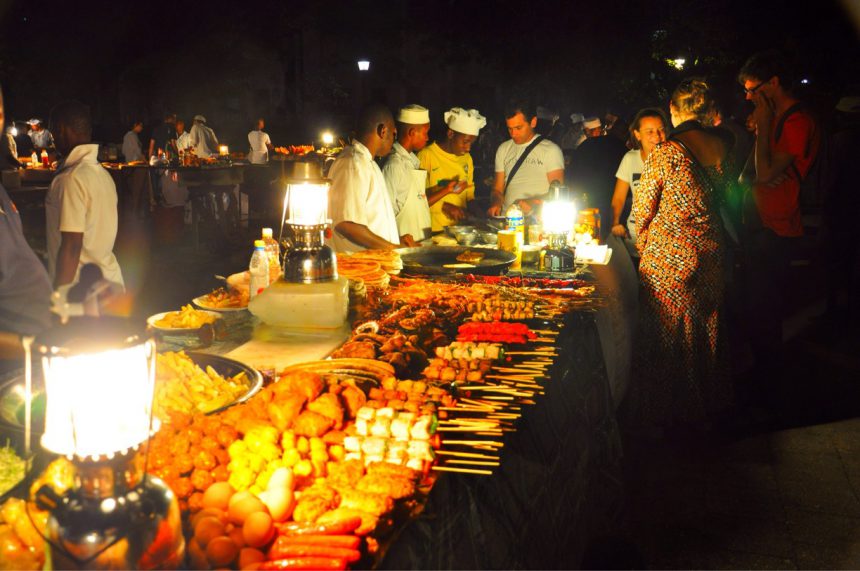
Across the continent, roadside food stalls, market vendors, food carts, and small neighbourhood kitchens have created spaces where people connect, share traditions, and experience the flavours of their communities.
From smoky grilled meats and spicy rice dishes to fried snacks, fresh fruit, and locally prepared drinks, African street food has evolved alongside changing cities, economies, lifestyles, and consumer preferences. While traditional recipes remain important, today’s street food scene is increasingly influenced by social media, migration, entrepreneurship, tourism, and modern food trends.
The Traditional Roots of African Street Food
Street food has deep roots in African communities. Long before modern restaurants became common, markets and busy trading areas provided natural spaces for people to buy prepared food.
Vendors often sold foods that were affordable, filling, and easy to eat while working or travelling. These meals reflected locally available ingredients and cooking traditions.
In West Africa, popular street foods include dishes and snacks such as suya, akara, puff-puff, roasted plantain, grilled fish, and various rice-based meals. In East Africa, foods such as chapati, samosas, nyama choma, and roasted maize have become familiar parts of everyday food culture.
Southern and Northern African communities also have distinctive street-food traditions, shaped by local ingredients, history, and cultural exchange.
Street Food and African Markets
African markets have played an important role in preserving and spreading street food traditions.
A busy market can bring together vendors from different backgrounds, creating an environment where recipes and cooking techniques naturally interact. Traders and customers may introduce new ingredients or preparation methods, while popular dishes can spread from one city or region to another.
Markets also make street food accessible to a wide range of consumers. Workers, students, traders, travellers, and families can find affordable meals without having to visit formal restaurants.
This connection between markets and food continues to shape African urban culture today.
Urbanization Changed the Street Food Experience
As African cities expanded, street food adapted to the changing lifestyles of urban residents.
People increasingly needed meals that were quick, affordable, and convenient. Food vendors responded by establishing businesses near transport hubs, offices, schools, markets, construction sites, and residential areas.
This helped street food become an important part of daily urban life.
In cities such as Lagos, Accra, Nairobi, Johannesburg, Dakar, and Kampala, street food has become closely connected to the rhythm of city living. A person may grab breakfast from a roadside vendor on the way to work, buy lunch near an office, or stop for an evening snack while returning home.
Migration Created New Food Influences
African cities are increasingly multicultural, and migration has contributed to the evolution of street food.
People moving between regions and countries bring their culinary traditions with them. As communities interact, food vendors sometimes adapt recipes to local tastes while introducing customers to unfamiliar flavours.
This creates a dynamic food culture in which traditional dishes can evolve without losing their original identity.
The result is a growing variety of food choices in many African cities.
Social Media Is Changing How Street Food Is Discovered
Social media has transformed the way people discover food.
A street-food vendor can now attract customers through short videos, food photography, online reviews, and recommendations. A dish that was once known only within a neighbourhood can quickly gain attention beyond its original community.
Platforms such as Instagram, TikTok, Facebook, and YouTube have also encouraged food creators to document African street food.
This digital exposure has helped showcase local dishes to tourists, diaspora communities, and international audiences.
Street Food Entrepreneurs Are Building Brands
One of the most significant changes in African street food culture is the growth of food entrepreneurship.
Many vendors are moving beyond informal roadside selling and developing recognizable brands. Some have introduced branded packaging, delivery services, social media pages, digital payments, and dedicated outlets.
A successful street-food business can therefore evolve from a small roadside operation into a larger food enterprise.
This demonstrates that street food is not simply about informal employment. It can also serve as an entry point into entrepreneurship and the broader food industry.
The Rise of Modern Street Food
Today’s African street food scene increasingly combines traditional flavours with modern presentation.
Vendors may experiment with burgers, wraps, sandwiches, loaded fries, bowls, fusion dishes, and other international formats while incorporating African ingredients and seasonings.
For example, traditional grilled meat flavours can appear in modern sandwiches, while familiar African spices can be used in contemporary dishes.
This blending of old and new has created an exciting food culture that appeals to younger consumers.
Street Food and Tourism
Food has become an increasingly important part of the travel experience. Visitors often want to experience a destination beyond museums, landmarks, and hotels. Local street food provides an opportunity to taste everyday culture.
A plate of local food purchased from a market vendor can tell visitors something about a community’s ingredients, traditions, history, and lifestyle.
For African destinations, stronger street-food tourism can create opportunities for local vendors while encouraging visitors to explore neighbourhoods and markets.
Food Safety Is an Important Part of the Evolution
As street food becomes more popular, food safety and hygiene remain important concerns. Vendors need access to clean water, appropriate food storage, safe cooking facilities, waste-management systems, and reliable sources of ingredients.
Governments and local authorities can support vendors by providing training, appropriate market infrastructure, and practical regulations.
Better infrastructure can improve both consumer confidence and the working conditions of food vendors without destroying the informal character that makes street food unique.
Technology Is Creating New Opportunities
Technology is also changing the way street-food businesses operate.
Mobile payments can make transactions easier, while messaging platforms can help vendors communicate with customers. Delivery services allow food businesses to reach customers who may not visit their physical locations.
Digital marketing can also help small vendors build customer communities without requiring large advertising budgets.
These developments are helping street food adapt to an increasingly connected African economy.
The Future of African Street Food
The future of African street food is likely to combine tradition, technology, and entrepreneurship. Traditional dishes will continue to provide the foundation, while younger entrepreneurs experiment with new formats, ingredients, packaging, and business models.
At the same time, consumers are becoming increasingly interested in food experiences, authenticity, convenience, and locally sourced ingredients.
The challenge will be maintaining the cultural identity of street food while improving areas such as hygiene, infrastructure, sustainability, and business development.
Preserving Culture Through Food
African street food is ultimately a living expression of culture. Recipes passed between generations can survive because vendors continue to prepare them in busy markets and neighbourhoods. At the same time, new generations are giving traditional foods fresh identities through creativity and entrepreneurship.
From a roadside grill to a modern food brand, the journey of African street food reflects the continent itself: deeply connected to tradition but constantly changing.
As African cities continue to grow, street food will likely remain an important part of everyday life, creating jobs, supporting small businesses, attracting visitors, and keeping culinary traditions alive.




Leave a reply






Africa’s Source for Breaking News | Entertainments | Health | Finance | Sports | Lifestyle and Business News.


