
The Growth of Africa’s Middle Class
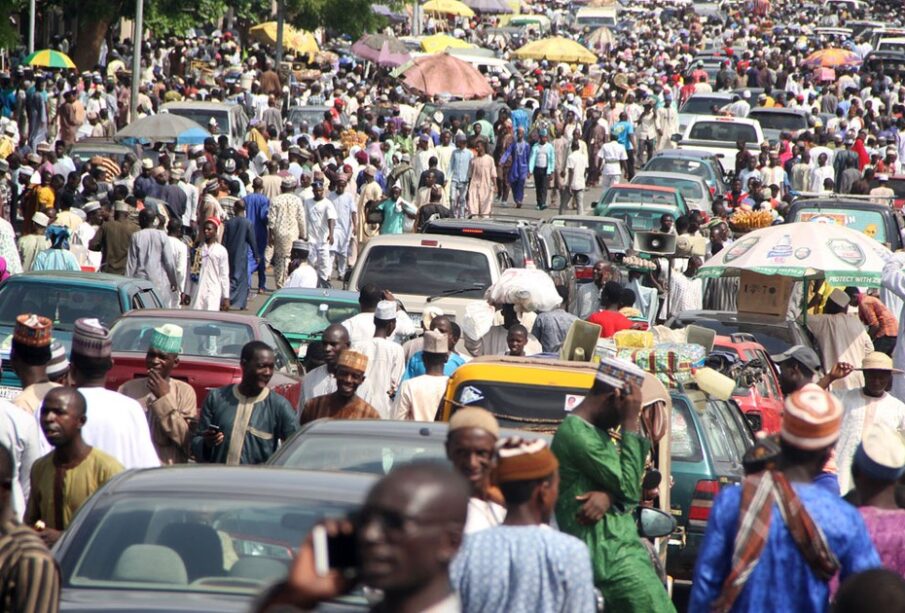
The Growth of Africa's Middle Class
For decades, discussions about Africa often focused on poverty, aid, and underdevelopment.
While these challenges remain important, another story has been unfolding across the continent: the steady rise of Africa’s middle class. This growing segment of society is transforming economies, influencing consumer markets, driving innovation, and reshaping the future of African nations.
As urbanization accelerates, education levels improve, and new industries emerge, the African middle class is becoming one of the continent’s most influential economic forces.
Understanding Africa’s Middle Class
The middle class generally refers to people who earn enough income to meet their basic needs while also having discretionary spending power. They can afford housing, education, healthcare, transportation, and consumer goods beyond necessities.
In Africa, defining the middle class can be complex because income levels vary significantly between countries. Nevertheless, this group typically includes salaried professionals, entrepreneurs, skilled workers, civil servants, and small business owners who enjoy a relatively stable standard of living.
Their growing purchasing power is helping to stimulate economic growth and create new business opportunities across multiple sectors.
Factors Driving Middle-Class Growth
Economic Expansion
Many African economies have experienced periods of strong growth over the past two decades. Industries such as telecommunications, banking, construction, agriculture, manufacturing, and technology have created employment opportunities and increased household incomes.
Countries including Nigeria, Kenya, Ghana, Rwanda, and South Africa have witnessed significant growth in sectors that support middle-income households.
Urbanization
Africa is urbanizing faster than many other regions of the world. Millions of people continue to move from rural communities to cities in search of better employment opportunities, education, and improved living standards.
As cities expand, they create demand for housing, transportation, retail services, healthcare facilities, and entertainment industries. This urban growth contributes directly to the expansion of the middle class.
Improved Access to Education
Education remains one of the strongest drivers of economic mobility. Across the continent, increasing enrollment in secondary schools, universities, and vocational institutions is helping young Africans acquire skills needed for higher-paying jobs.
A better-educated workforce is contributing to increased productivity and supporting the development of modern industries.
Digital Transformation
The rapid growth of internet connectivity and mobile technology has created new economic opportunities. Digital platforms enable entrepreneurship, remote work, online learning, and access to financial services.
Young Africans are increasingly building businesses, finding freelance work, and participating in the global digital economy, contributing to the growth of middle-income households.
How the Middle Class Is Changing Consumer Markets
The rise of the middle class is reshaping consumer behavior throughout Africa.
Increased Demand for Quality Products
Middle-class consumers often prioritize quality, convenience, and brand reputation. As incomes rise, demand grows for better housing, modern appliances, vehicles, electronics, and premium services.
Businesses are responding by offering products tailored to the evolving preferences of African consumers.
Growth of Retail and E-Commerce
Shopping habits are changing rapidly. Modern shopping centers, supermarkets, and e-commerce platforms are expanding in many African cities.
Consumers increasingly expect convenience, product variety, and reliable delivery services. Consequently, online marketplaces and digital payment systems continue to attract investment across the continent.
Expanding Financial Services
Banks, insurance providers, investment firms, and fintech companies are benefiting from a growing customer base. Middle-class households often seek savings accounts, mortgages, investment products, and financial planning services.
This demand has encouraged innovation within Africa’s financial sector and increased financial inclusion.
Impact on Housing and Real Estate
A growing middle class creates greater demand for affordable and quality housing. Real estate developers are increasingly targeting middle-income earners with residential estates, apartment complexes, and mortgage solutions.
In major cities such as Lagos, Nairobi, Accra, and Kigali, housing development has become a major component of urban growth.
This trend also stimulates construction, infrastructure development, and employment opportunities.
The Role of Entrepreneurship
Many members of Africa’s middle class are entrepreneurs who create businesses that serve local and regional markets.
Small and medium-sized enterprises (SMEs) play a crucial role in job creation and economic development. From technology startups and logistics companies to retail stores and manufacturing businesses, entrepreneurs contribute significantly to middle-class expansion.
Their success generates employment opportunities and helps strengthen local economies.
Challenges Facing Africa’s Middle Class
Despite its growth, Africa’s middle class faces several obstacles.
Economic Volatility
Inflation, currency fluctuations, and global economic shocks can reduce purchasing power and affect household finances.
Unemployment and Underemployment
Many educated young people still struggle to find stable employment opportunities that match their qualifications.
Rising Cost of Living
Housing, transportation, healthcare, and education costs continue to increase in many urban centers, placing pressure on middle-income families.
Infrastructure Gaps
Challenges related to electricity, transportation, internet connectivity, and public services can limit economic productivity and quality of life.
Addressing these issues is essential for sustaining middle-class growth.
Opportunities for the Future
Africa’s demographic advantage presents enormous opportunities. With one of the world’s youngest populations, the continent has significant potential for workforce expansion, innovation, and entrepreneurship.
Investments in education, infrastructure, healthcare, technology, and industrialization can further strengthen the middle class and accelerate economic development.
Additionally, regional trade initiatives and digital transformation are creating new markets and opportunities for businesses and consumers alike.
Conclusion
The growth of Africa’s middle class represents one of the continent’s most important economic developments. Rising incomes, urbanization, education, entrepreneurship, and technological advancement are helping millions of Africans improve their standard of living and participate more actively in the economy.
Although challenges remain, the expanding middle class is driving consumer demand, supporting business growth, and shaping the future of African societies. As governments, businesses, and communities continue investing in economic opportunities, the middle class is likely to play an increasingly significant role in Africa’s development story.
The rise of this influential group is not only transforming individual lives but also helping redefine global perceptions of Africa’s economic potential.




Leave a reply





Africa’s Source for Breaking News | Entertainments | Health | Finance | Sports | Lifestyle and Business News.


