
Understanding Financial Fraud and How to Avoid It
Understanding Financial Fraud and How to Avoid It
In today’s increasingly digital world, financial transactions have become faster and more convenient than ever before.
While technological advancements have improved access to banking, investments, and online shopping, they have also created new opportunities for fraudsters to target unsuspecting individuals and businesses. Financial fraud remains one of the most common crimes globally, costing victims billions of dollars each year. Understanding how financial fraud works and learning how to protect yourself are essential steps toward safeguarding your finances.
What Is Financial Fraud?
Financial fraud refers to any deliberate act of deception designed to obtain money, assets, or financial information unlawfully. Fraudsters use various methods to manipulate victims into revealing sensitive information, transferring money, or investing in fake opportunities.
Financial fraud can affect anyone regardless of age, education, or income level. As criminals become more sophisticated, awareness and vigilance are critical defenses.
Common Types of Financial Fraud
1. Phishing Scams
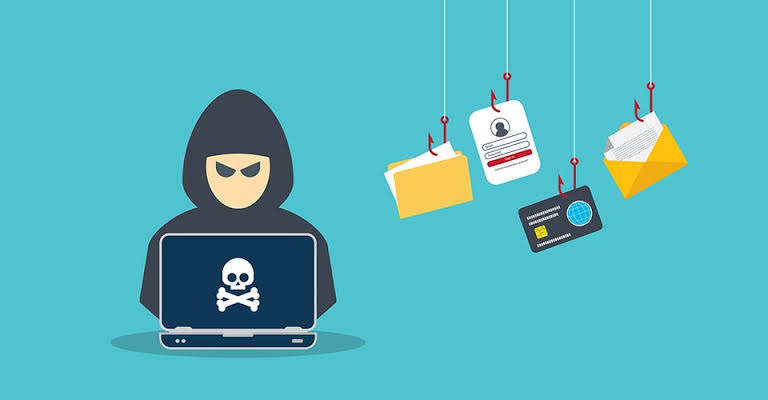
Phishing occurs when criminals send emails, text messages, or social media messages pretending to be legitimate organizations such as banks, government agencies, or popular companies. These messages often contain links that lead to fake websites designed to steal login credentials, banking details, or personal information.
2. Investment Fraud
Investment scams promise unusually high returns with little or no risk. Fraudsters may promote fake businesses, cryptocurrency schemes, or non-existent investment opportunities to attract investors.
Common warning signs include:
- Guaranteed profits
- Pressure to invest quickly
- Lack of proper documentation
- Unregistered investment platforms
3. Identity Theft
Identity theft occurs when criminals obtain personal information such as identification numbers, bank details, or passwords and use them to make unauthorized purchases, open accounts, or commit other crimes.
4. Online Shopping Fraud
Fake online stores and fraudulent sellers often advertise products at extremely low prices. After receiving payment, they either deliver counterfeit goods or disappear entirely.
5. Loan and Advance Fee Scams
Victims are promised loans, grants, or financial assistance but are required to pay upfront fees before receiving funds. In most cases, the promised money never arrives.
6. Business Email Compromise
Businesses are increasingly targeted by fraudsters who impersonate company executives, suppliers, or partners through email. Employees may be tricked into transferring money or revealing sensitive company information.
Why Financial Fraud Is Increasing
Several factors contribute to the rise in financial fraud:
Growing Internet Usage
More people now conduct banking, shopping, and investments online, creating additional opportunities for cybercriminals.
Increased Digital Payments
Mobile banking and digital payment platforms have simplified transactions but also attract fraudsters seeking vulnerabilities.
Social Engineering Techniques
Modern scammers often exploit human emotions such as fear, urgency, trust, and greed rather than relying solely on technical methods.
Data Breaches
Large-scale data leaks provide criminals with personal information that can be used for targeted fraud attempts.
Warning Signs of Financial Fraud
Recognizing suspicious activity early can prevent significant financial losses. Be cautious if you encounter:
- Requests for personal or banking information
- Unexpected messages claiming urgent action is required
- Offers that seem too good to be true
- Pressure to make immediate payments
- Requests for payment through unusual methods
- Unverified investment opportunities
- Unknown callers claiming to represent financial institutions
How to Protect Yourself from Financial Fraud
Verify Before You Trust
Always verify the identity of individuals, organizations, or companies requesting money or sensitive information. Contact institutions directly using official channels rather than information provided in suspicious messages.
Use Strong Passwords
Create unique passwords for your financial accounts and avoid using the same password across multiple platforms.
Enable Two-Factor Authentication
Two-factor authentication adds an extra layer of security by requiring a second verification step before account access is granted.
Monitor Your Accounts Regularly
Review bank statements, credit card transactions, and investment accounts frequently to detect unauthorized activity quickly.
Avoid Clicking Suspicious Links
Never click on links or download attachments from unknown or unexpected messages.
Be Skeptical of High Returns
Legitimate investments always involve some degree of risk. Be cautious of anyone guaranteeing large profits with little effort.
Keep Software Updated
Regular updates help protect devices from security vulnerabilities that fraudsters may exploit.
Educate Family Members
Children, elderly relatives, and less experienced internet users are often targeted by scammers. Sharing fraud prevention knowledge can help protect them.
What to Do If You Become a Victim
If you suspect financial fraud:
- Contact your bank or financial institution immediately.
- Change passwords for affected accounts.
- Freeze or block compromised cards.
- Report the incident to relevant authorities.
- Monitor accounts for further suspicious activity.
- Keep records of all communications and transactions related to the fraud.
Prompt action can reduce losses and improve the chances of recovering stolen funds.
The Role of Financial Literacy
Financial literacy is one of the most effective tools for combating fraud. Individuals who understand financial products, online security practices, and common scam tactics are better equipped to recognize and avoid fraudulent schemes.
Governments, financial institutions, schools, and community organizations all play important roles in promoting financial education and awareness.
Conclusion
Financial fraud is an evolving threat that affects individuals, families, and businesses worldwide. While fraudsters continue to develop new methods of deception, informed and vigilant consumers can significantly reduce their risk. By understanding common fraud tactics, protecting personal information, verifying financial requests, and maintaining good security habits, individuals can safeguard their finances and make more confident financial decisions in an increasingly digital world.
Staying informed is not just a financial advantage, it is an essential form of protection in today’s connected economy.




Leave a reply




Africa’s Source for Breaking News | Entertainments | Health | Finance | Sports | Lifestyle and Business News.


